Uncovering the Real Costs of Electric Vehicle Maintenance Annually
Curious about the annual costs of owning an electric vehicle? While specific figures can vary, maintaining an electric vehicle each year often involves lower expenses due to fewer moving parts and a reduction in regular maintenance tasks.
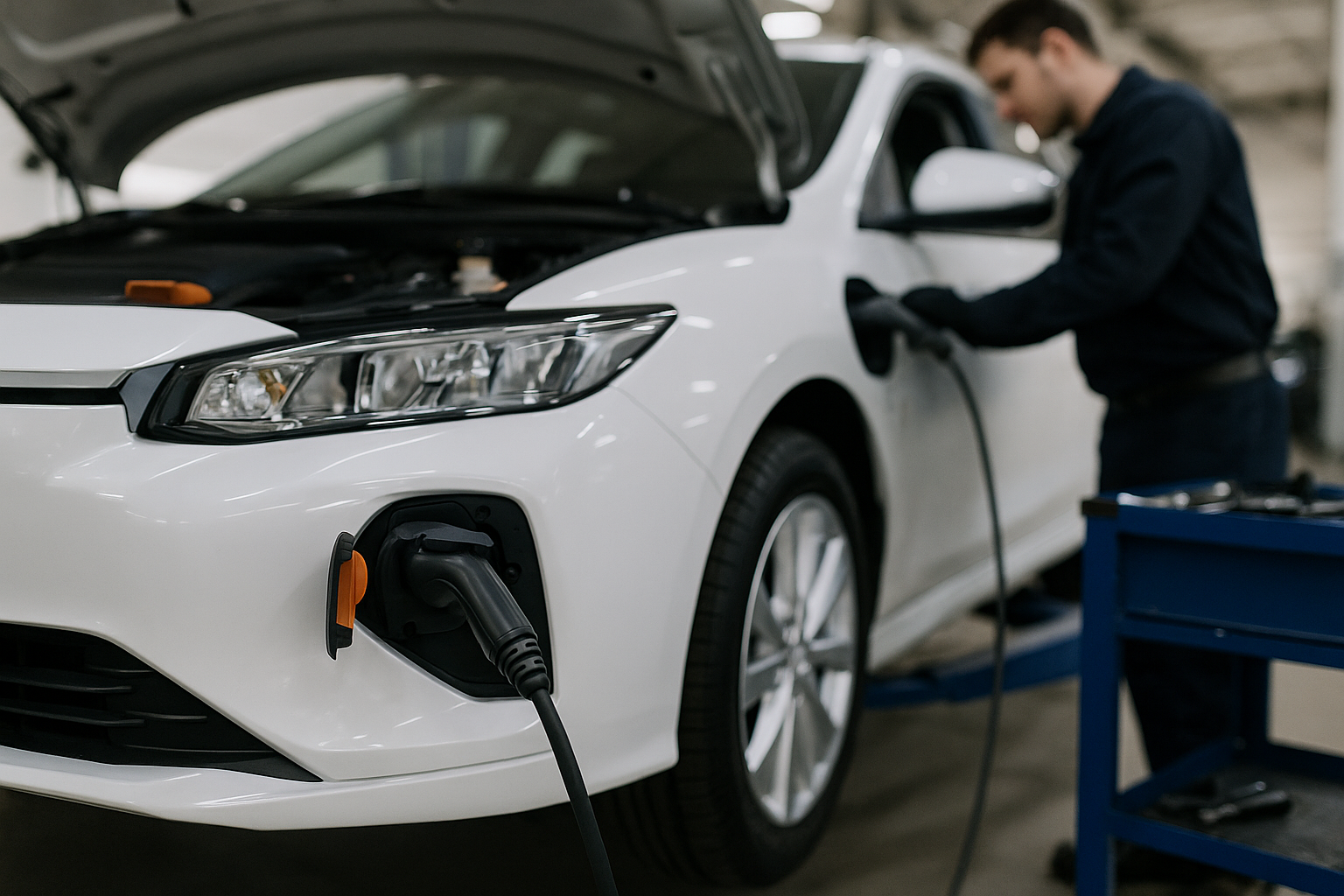
Understanding the Cost of Electric Vehicle Maintenance
Electric vehicles (EVs) have become an increasingly popular choice for many consumers around the world. With their promise of reduced emissions and cost savings on fuel, they appeal to environmentally conscious and budget-savvy drivers alike. However, one key question potential EV buyers often have is: "How much does an electric vehicle cost to maintain every year?" This article delves deeply into this question, providing comprehensive insights into what to expect in terms of maintenance costs for electric vehicles.
Components of Electric Vehicle Maintenance
One of the main advantages of EVs is their simpler mechanical structure compared to traditional internal combustion engine (ICE) vehicles. This simplicity significantly influences maintenance costs. Here are the key components involved in maintaining an electric vehicle:
- The Battery Pack
- Electric Motor
- Brake System
- Software Updates
Battery Pack Maintenance
The battery pack is arguably the most crucial and costly component of an electric vehicle. Modern EVs are equipped with lithium-ion batteries, which are designed to be robust and have a long lifespan. Typically, these batteries last between 8 to 10 years, but their performance can degrade over time.
Fortunately, most manufacturers offer battery warranties that last for 8 years or 100,000 miles, which often covers issues related to battery capacity loss. Routine maintenance, including software updates and battery management system checks, ensures the longevity and efficiency of the battery pack.
According to a 2026 study by Consumer Reports, the cost of replacing an EV battery can range from $5,000 to $15,000, although replacements are rare during the useful life of the vehicle under normal conditions. [Consumer Reports 2026]
Electric Motor Maintenance
Electric motors used in EVs are known for their durability and simplicity. They have far fewer moving parts compared to an ICE, leading to minimal maintenance requirements. Usually, electric motors are maintenance-free throughout their lifespan.
In the rare event that an electric motor needs servicing, it is likely due to issues with the cooling systems or bearings, which are relatively inexpensive to fix. Regular inspection during service appointments can help catch potential issues early.
Brake System Servicing
One of the fascinating aspects of EVs is their regenerative braking system. This system uses the electric motor to slow down the vehicle, converting kinetic energy back into stored energy in the battery. This process extends the life of the traditional brake components like pads and rotors.
According to a report from the International Council on Clean Transportation in 2026, regenerative braking can extend the lifespan of brake pads by up to 50% compared to those in ICE vehicles. Regular checks are recommended every 20,000 miles, but brake system repairs and replacements are less frequent than in conventional vehicles. [ICCT 2026]
Importance of Software Updates
Software updates are a unique aspect of EV maintenance. Manufacturers frequently release updates to enhance vehicle performance and introduce new features. These updates can include anything from improving battery efficiency to refining the vehicle's user interface.
Unlike software updates for phones or laptops, EV updates are crucial for maintaining the vehicle’s optimal performance. Many updates can be done over-the-air, meaning they don't require a visit to the service center, offering convenience and cost savings.
Annual Maintenance Costs: Breaking Down the Numbers
On average, electric vehicles are proving to be more economical when it comes to maintenance costs compared to their ICE counterparts. As of 2026, the average annual maintenance cost for an EV is around $950, significantly lower than the $1,200 average for gas-powered cars.
- Tire Maintenance: Like any vehicle, EVs require regular tire rotations and replacements. This cost remains similar to traditional cars, approximately $150 annually.
- Service Charges: Regular service appointments for software updates and checks may range from $100 to $300 depending on the manufacturer's service plan.
- Brake and Fluid Maintenance: The reduced wear on brakes and absence of engine oil changes result in lower annual costs, roughly $200.
These costs can vary based on the model and make of the vehicle, with luxury EVs potentially incurring higher service costs.
Long-Term Financial Benefits of EV Maintenance
When considering the annual maintenance costs of an electric vehicle, one must also factor in the long-term financial savings. With fewer components subject to wear and tear, and generous manufacturer warranties on their batteries, EV owners often face fewer unexpected repair costs.
Moreover, with the development of new battery technologies and expected price drops, future maintenance and replacement costs are likely to decrease even further, making EVs an attractive choice for cost-conscious drivers.
Conclusion: Weighing the Costs
While the upfront purchase price of an electric vehicle can be higher than that of a conventional car, the lower maintenance costs contribute to their appeal. As manufacturers continue to innovate and improve EV technologies, these vehicles present a financially and environmentally sustainable option for the future.
Whether you're a current EV owner or considering making the switch, understanding the annual maintenance costs will help you make an informed decision. With ongoing industry advancements and supportive policies, electric vehicles are on the path to becoming more accessible and cost-effective for all.
References