Uncovering the Top 5 Energy Drainers in Your Household: Simple Steps to Save
Discover the 5 biggest energy wasters in your home and learn how you can start saving on your bills today. From hidden electricity guzzlers to surprising culprits that increase energy use, each tip can help you identify and fix inefficiencies.
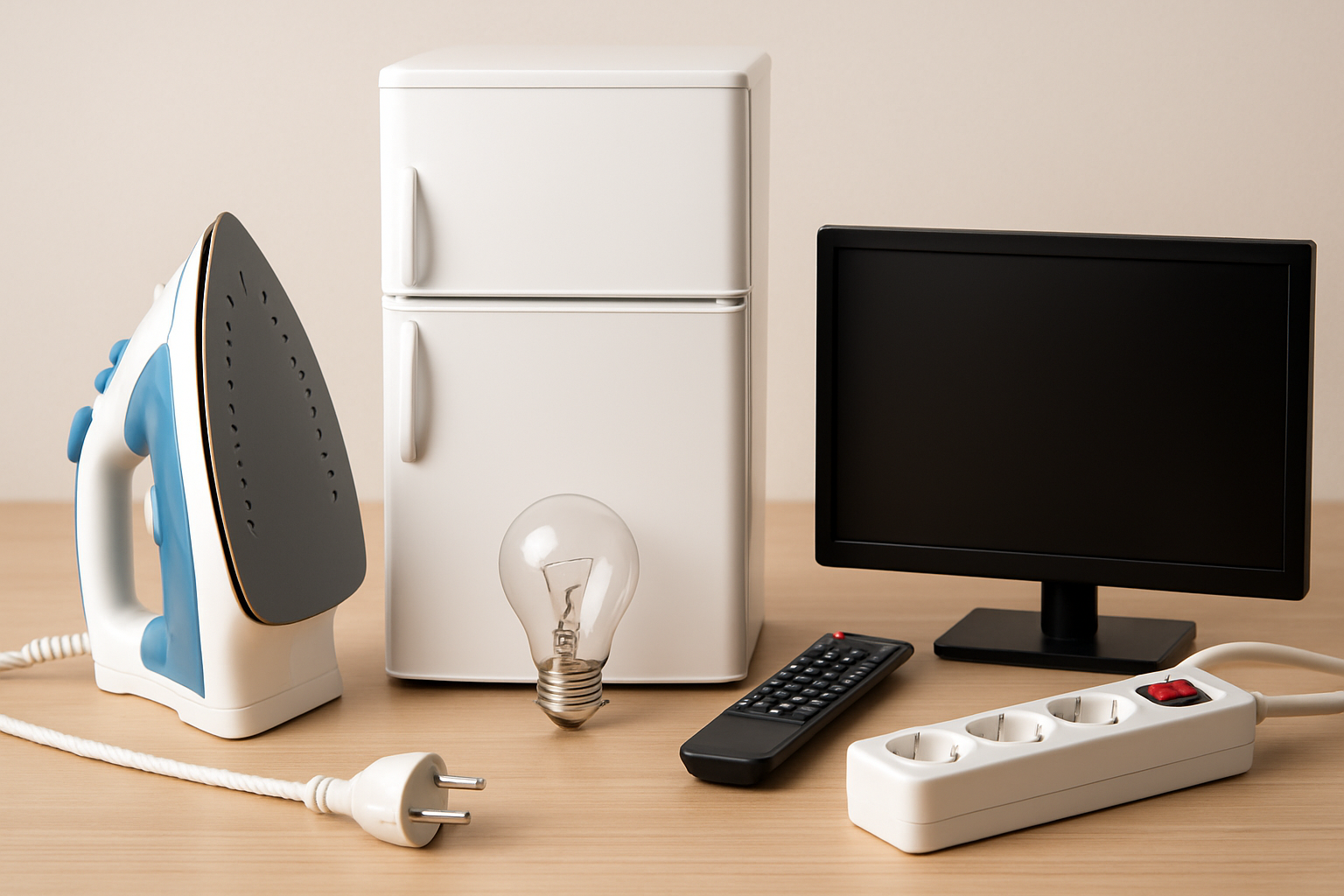
Understanding Energy Waste in Household Settings
In today's fast-paced world, the efficient use of energy is not only a way to save money but also a crucial step toward environmental sustainability. Energy waste in homes is a significant issue, and understanding the biggest culprits can lead to meaningful reductions in both energy consumption and utility bills.
Why Does Energy Waste Matter?
Energy waste contributes to higher energy bills, increased carbon emissions, and a larger environmental footprint. According to the International Energy Agency, energy efficiency can potentially account for more than 40% of the emissions reductions needed by 2040 (Source: Energy Efficiency 2026). Addressing energy waste is crucial for achieving these reductions and can also enhance home comfort by maintaining consistent temperatures and air quality.
5 Biggest Energy Wasters In Your Home
1. Heating and Cooling Systems
The heating and cooling systems in a home are the largest consumers of energy. An HVAC system that is old or improperly maintained can dramatically increase energy consumption. For example, a clogged filter can make the system work harder, increasing energy use by up to 15% (Source: U.S. Department of Energy).
- Solution: Regular maintenance, such as cleaning or replacing filters every three months, can optimize efficiency. Installing a programmable thermostat can also adjust heating and cooling based on your schedule, preventing unnecessary energy use.
2. Inefficient Lighting
In many homes, lighting can account for up to 10% of the energy bill. Traditional incandescent bulbs are significant energy wasters compared to modern LED lights. LEDs use at least 75% less energy and last 25 times longer than incandescent lighting (Source: U.S. Department of Energy).
- Solution: Replace incandescent bulbs with LEDs or CFLs. Consider using dimmers, motion sensors, or smart lighting systems that adjust based on natural light or occupancy.
3. Leaky Windows and Doors
Poorly insulated windows and doors can lead to drafts that force heating and cooling systems to work harder, resulting in energy waste. Studies suggest that windows and doors can account for up to 30% of heating energy loss (Source: U.S. Department of Energy).
- Solution: Sealing cracks with weatherstripping or caulking can significantly reduce drafts. Additionally, upgrading to energy-efficient windows can lead to substantial long-term savings.
4. Outdated Appliances
Older appliances often have lower efficiency ratings compared to modern models. A decade-old refrigerator, for instance, can consume twice as much electricity as a new one with Energy Star certification.
- Solution: When replacing appliances, look for the Energy Star label, which indicates a product meets energy efficiency guidelines set by the U.S. Environmental Protection Agency.
5. Phantom Energy Use
Phantom energy, or standby power, refers to the energy consumed by electronics and appliances when they are turned off but still plugged in. This can account for 5-10% of a household's energy use (Source: Lawrence Berkeley National Laboratory).
- Solution: Unplug devices not in use or use power strips to easily switch off multiple devices at once.
Steps to Minimize Energy Waste
Conduct an Energy Audit
An energy audit can help you understand where and how energy is being wasted in your home. Many utility companies offer free or low-cost audits. These audits provide insights into existing issues and recommend specific upgrades and changes.
Implement Smart Technology
Smart home technologies can significantly reduce energy waste. Smart thermostats, for example, learn your schedule and adjust temperatures accordingly, while smart lighting systems allow you to control lights remotely.
Upgrade Insulation
Ensuring your home is well insulated is another key step to reducing energy waste. Pay special attention to the attic, walls, floors, and crawl spaces, as improving insulation in these areas can result in up to 20% savings on heating and cooling costs (Source: U.S. Department of Energy).
The Road Ahead: Sustainable Living
By identifying and addressing the biggest energy wasters in your home, you're not only saving money but also contributing to a more sustainable future. With the world advancing toward greener energy solutions, every small step towards reducing energy waste helps.
Consider integrating renewable energy sources where possible, such as solar panels. Governments and organizations often provide incentives and rebates that make these options more affordable.
Ultimately, making informed decisions about energy use is both an economic and environmental opportunity worth embracing. With increasing awareness and technological advances, the pathway to an energy-efficient home is more accessible than ever.