Understand Car Insurance Coverage Before Comparing Quotes
Understanding car insurance coverage is essential before you dive into comparing quotes. This guide breaks down the basics so you’re well-prepared to make informed decisions. Learn what types of coverage might suit your needs and how to assess options without overpromising outcomes.
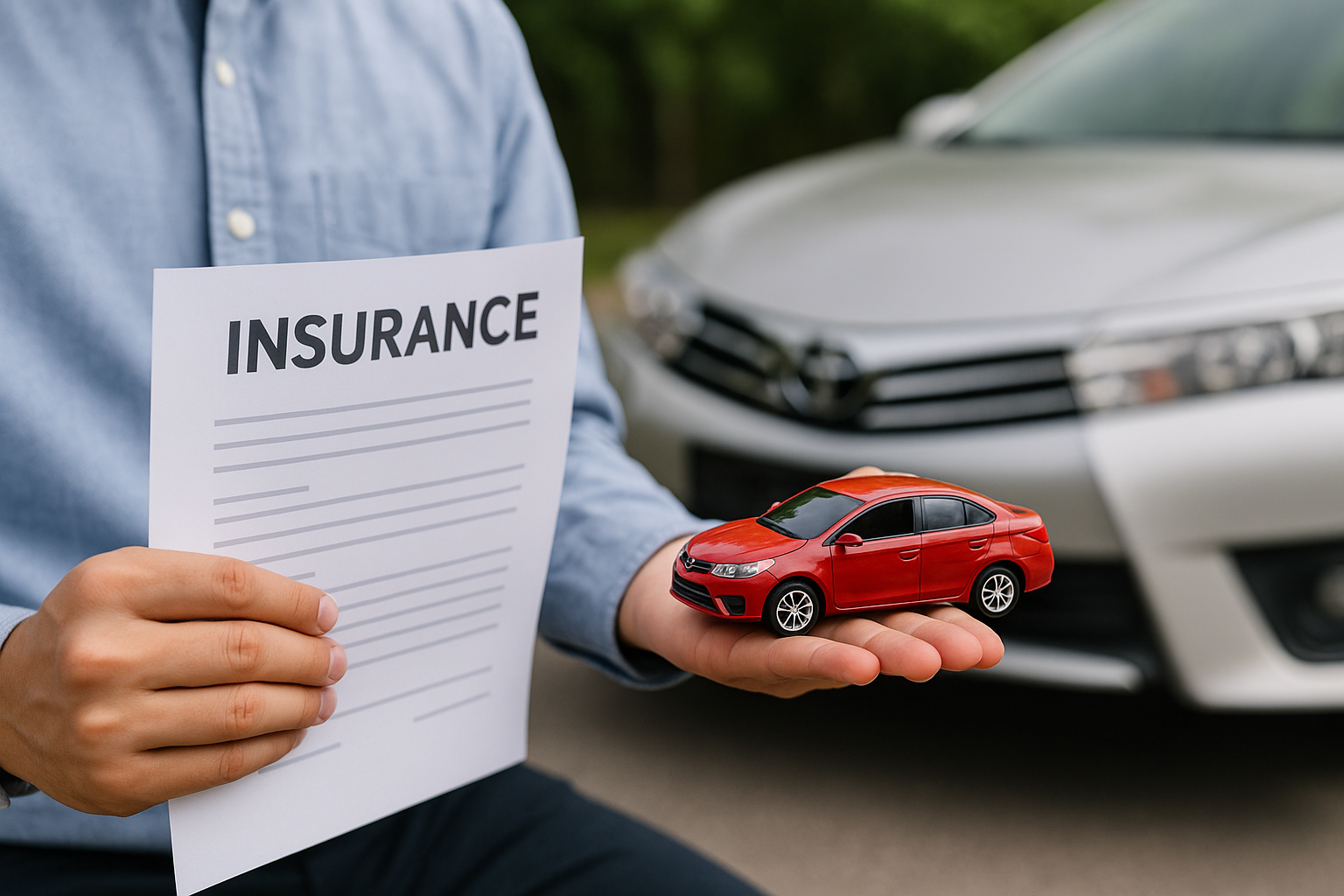
Understanding Car Insurance Coverage
Car insurance coverage is a critical component for both new and seasoned drivers. Whether you're looking to safeguard your vehicle against unexpected accidents or you're mandated by law to carry insurance, understanding car insurance coverage before comparing quotes is essential. This article will guide you through various types of coverage, provide insights on choosing the right policy, and equip you with knowledge to make informed decisions.
What are the Different Types of Car Insurance Coverage?
Car insurance coverage protects you in various scenarios that could involve damages to your vehicle, liability for other people's vehicles, or bodily injuries. Understanding each type will help you determine what suits your needs best.
- Liability Coverage: This is mandatory in most states. It covers the costs associated with injuries and damages to other parties if you're at fault in an accident.
- Collision Coverage: This covers damages to your car resulting from collisions with another vehicle or object.
- Comprehensive Coverage: Extends beyond collisions. It covers theft, vandalism, or natural disasters, protecting your car from non-collision-related incidents.
- Personal Injury Protection (PIP): Covers medical expenses and, in some cases, lost wages if you're injured in a car accident.
- Uninsured/Underinsured Motorist Coverage: Protects you if you're hit by a driver who either doesn't have insurance or whose insurance can't cover the full extent of your damages.
Why is Car Insurance Coverage Important?
Car insurance coverage serves as a safety net, offering financial protection in numerous ways.
- Legal Requirement: Most states in the U.S. require drivers to carry a minimum level of insurance. Driving without it can lead to hefty fines or license suspension.
- Financial Protection: Accidents can be costly. Insurance helps cover the expenses, potentially saving you thousands of dollars.
- Peace of Mind: With adequate coverage, you can drive with confidence, knowing that you're protected against unforeseen events.
How to Determine the Right Coverage for You
Selecting the right coverage involves assessing your personal needs, financial situation, and understanding the specific risks you might face.
Consider Your Vehicle’s Value: If your car is older and paid off, you might not need comprehensive and collision coverage. However, for newer or financed vehicles, these coverages might be necessary.
Assess Your Financial Situation: Higher coverage limits and lower deductibles mean better protection but also higher premiums. Make sure your chosen plan fits your budget.
Evaluate Your Commute: Longer commutes might increase the likelihood of accidents, suggesting a need for more comprehensive coverage.
Tips for Comparing Car Insurance Quotes
Once you're familiar with your coverage needs, comparing quotes becomes the next logical step. Here are some tips to do it effectively:
- Use Online Comparison Tools: Leverage tools like Compare.com or The Zebra to efficiently compare multiple insurers. [Compare.com], [The Zebra]
- Check Ratings and Reviews: Examine customer satisfaction ratings from platforms like J.D. Power to ensure you're choosing a reputable insurer.
- Look for Discounts: Many insurers offer discounts for bundling insurance, having a clean driving record, or installing anti-theft devices.
- Review Policy Details: Ensure you understand the specifics, including limits, deductibles, and exclusions.
Recent Trends in Car Insurance for 2026
The landscape of car insurance is dynamic, with trends shifting in response to various technological and environmental factors.
- Telematics and Pay-Per-Mile Insurance: Usage-based insurance policies, often using telematics devices, are gaining popularity as they offer personalized rates based on driving habits.
- Electric Vehicles (EVs): As EV adoption rises, insurers are developing specialized policies for these vehicles, taking into account their unique features and costs.
- AI and Automated Claims Processing: Insurance companies are increasingly using AI to streamline claims, making the process faster and more efficient.
For the latest insights and detailed trends, visit resources like the Insurance Information Institute or Statista. [Insurance Information Institute], [Statista]
Conclusion
Understanding car insurance coverage is crucial before diving into comparisons and selecting a policy. Assess your needs, compare quotes thoroughly, and stay informed about recent trends to ensure you get the best coverage possible. By doing so, not only do you protect your finances but also gain peace of mind knowing you're adequately insured.