Understanding Access Programs for Ozempic: A Guide for Patients
Discover how Ozempic Patients Access Programs can provide support in managing your health journey. Learn about the available programs that assist patients with access and affordability. While outcomes can vary, these programs aim to help patients find resources for their needs.
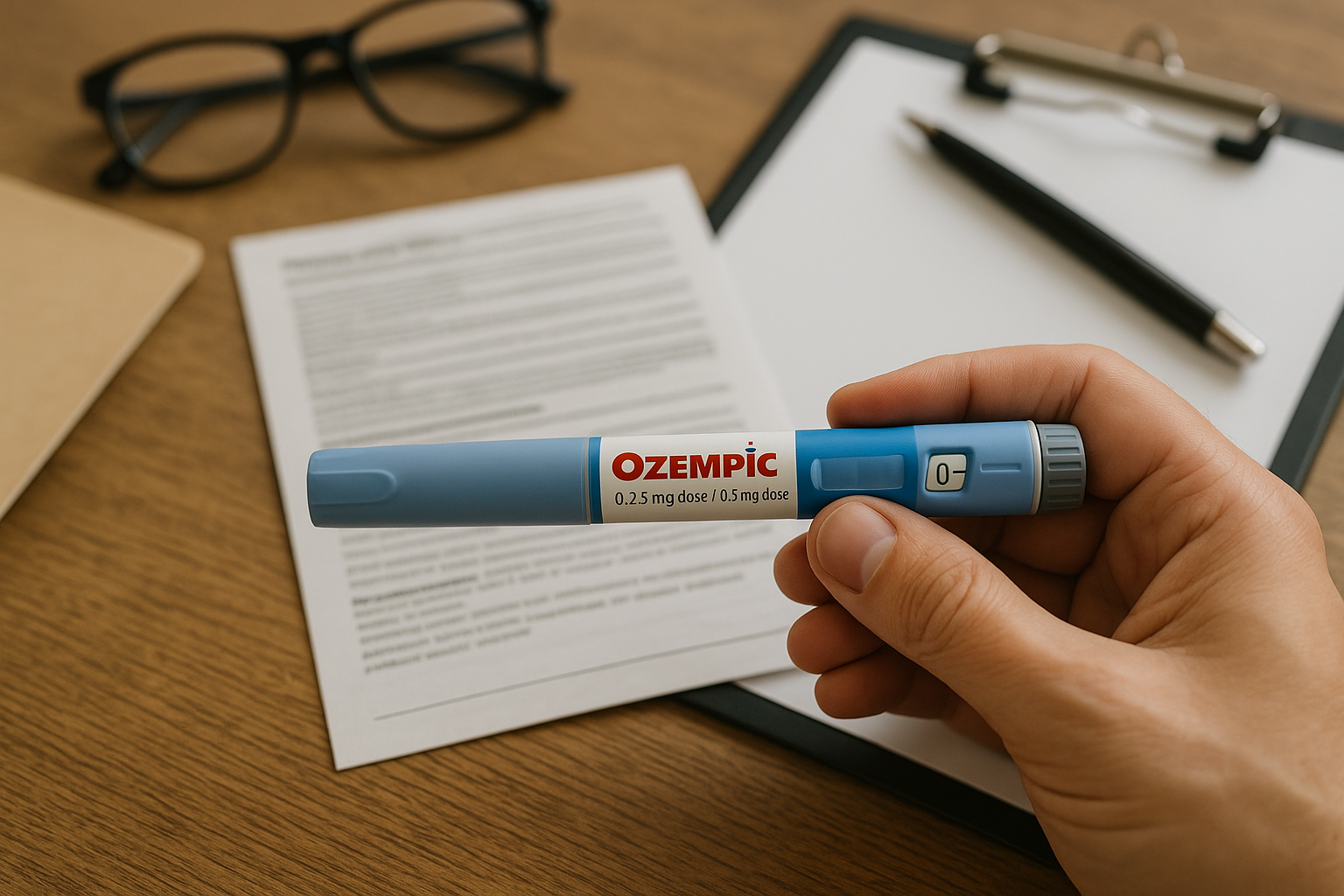
Understanding Ozempic: A Brief Overview
Ozempic is a brand name for semaglutide, a medication primarily used to improve blood sugar control in adults with type 2 diabetes. It is administered via injection once a week and works by stimulating insulin production, lowering blood sugar levels, and slowing down digestion to help manage weight. In recent years, Ozempic has gained attention for its effectiveness in weight management, even among individuals without diabetes.
How Ozempic Works
Ozempic mimics a hormone called glucagon-like peptide-1 (GLP-1), which is involved in numerous functions related to glucose metabolism. By acting like GLP-1, Ozempic helps regulate blood sugar levels, reducing the risk of hyperglycemia in people with type 2 diabetes. Moreover, its effects on appetite control and weight loss make it a dual-purpose medication for both diabetes management and obesity treatment.
Why Access to Ozempic is Essential
Access to medications like Ozempic is crucial because they contribute significantly to the quality of life and health outcomes for individuals with diabetes and obesity. For many, these medications help stave off serious diabetes-related complications such as cardiovascular disease, neuropathy, and kidney damage. Adjusting to a new lifestyle that includes medication, diet changes, and exercise can be challenging, thus reinforcing the need for accessible treatment options.
The Cost of Ozempic: What Patients Need to Know
The cost of Ozempic can be a barrier for many patients. As of 2026, without insurance, the price of a four-week supply can be over $900. Insurance coverage varies, with some plans offering better coverage than others. Hence, programs that improve access and affordability are critical.
Exploring Ozempic Patient Access Programs
Ozempic Patient Access Programs are designed to help patients afford their medications. These programs include insurance assistance, co-pay savings, and patient support programs aimed at reducing the financial burden on patients.
Types of Access Programs Available
- Manufacturer Co-pay Programs: Many pharmaceutical companies offer co-pay cards that can significantly lower out-of-pocket costs for patients with commercial insurance. For example, a co-pay card may reduce Ozempic costs to as low as $25 per prescription.
- Patient Assistance Programs (PAPs): For patients without insurance coverage, PAPs may provide Ozempic at no cost or a reduced price. Eligibility typically depends on income and household size.
- Medicaid and Medicare Assistance: State programs and Medicare Part D can provide comprehensive coverage for Ozempic for eligible recipients, though coverage and costs can vary.
How to Access These Programs
Patients interested in these programs should begin by consulting their healthcare provider, who can often provide information on eligibility and application processes. Additionally, the pharmaceutical company’s website typically offers details on their specific patient assistance offerings. It's also advisable to check with insurance providers to understand their coverage specifics and any patient support services they offer.
Real-World Experiences: Success Stories and Challenges
Many patients have reported significant improvements in their health and quality of life after gaining access to Ozempic through patient assistance programs. For example, an individual from New York shared that after enrolling in a co-pay program, they could afford the medication, leading to stabilized blood sugar levels and a 10% reduction in body weight over six months.
Challenges in Accessing Ozempic
Despite the existence of assistance programs, challenges remain. Some patients face difficulties in understanding eligibility requirements or experience delays in receiving approval. Additionally, there are geographic disparities in program availability, with rural areas often having fewer resources.
Future Outlook and Developments
As of 2026, continuous efforts are being made to improve patient access to medications like Ozempic. Innovations in telehealth have expanded access pathways, allowing more patients to consult healthcare providers and access medications remotely. Additionally, advocacy for broader insurance coverage and lower drug prices continues, aiming to further alleviate the financial burden on patients.
Conclusion
Ozempic plays a vital role in managing type 2 diabetes and obesity. Ensuring access to this medication through various patient assistance programs is crucial for the health outcomes of many. Collaborations among healthcare providers, pharmaceutical companies, and insurance providers are key to achieving this goal. Patients should actively seek out these resources, and stakeholders must continue to advocate for affordable healthcare options.
For further reading, consider reviewing articles on Health Affairs and the American Health Policy Institute for up-to-date information on healthcare access and affordability.