Understanding Apple's Financial Assistance Options for Apple Card Holders
Curious if the Apple Card has options for those facing financial difficulties? Our latest article explores whether Apple Card offers a hardship program and how it might assist you during tough times.
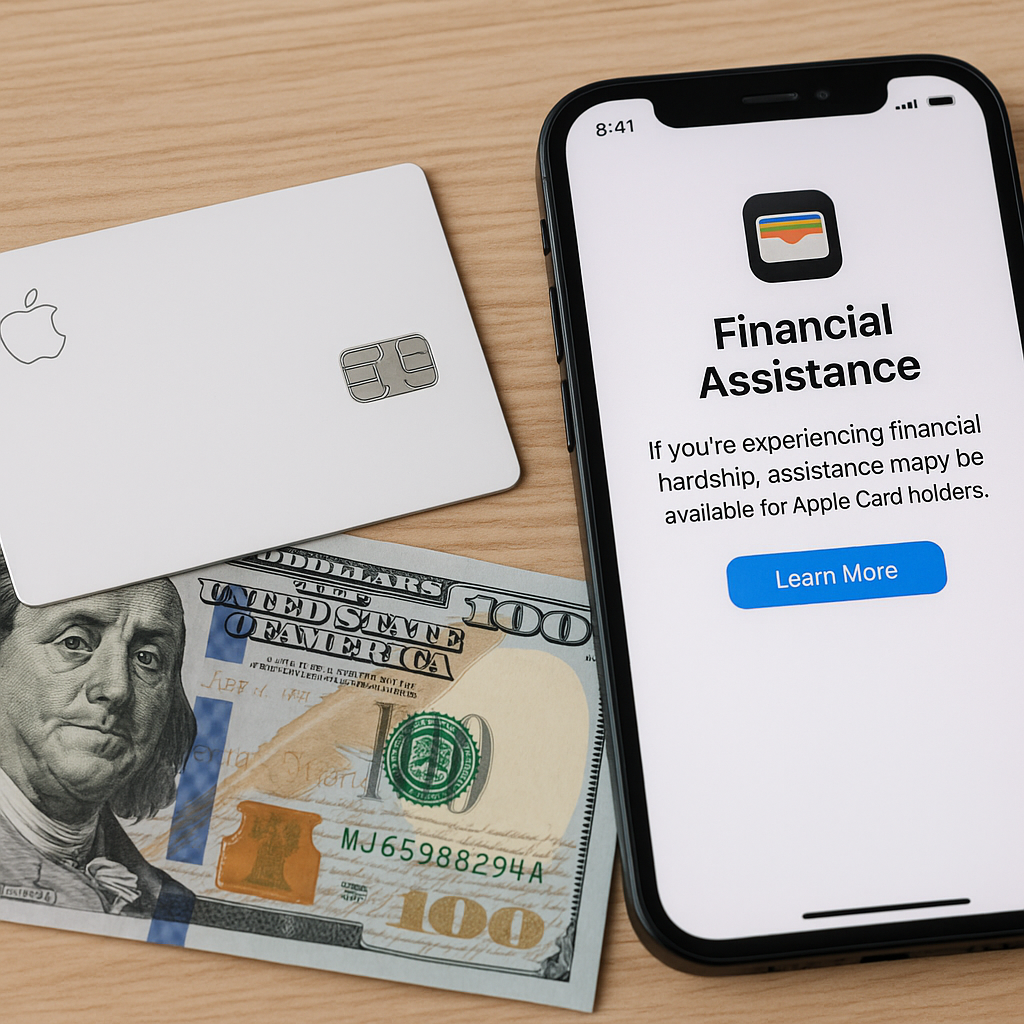
Understanding the Apple Card: A Modern Financial Tool
The Apple Card, introduced by Apple Inc., is a digital-first credit card tailored for the iPhone user. It integrates seamlessly with the Wallet app, providing users with an intuitive interface to manage their finances. As with any financial product, users may face unforeseen financial challenges that necessitate some form of assistance or relief program. This brings us to the key question: "Does Apple Card offer a hardship program?"
A hardship program is a service offered by lenders to help borrowers who are struggling to make payments due to unexpected circumstances, such as job loss, medical emergencies, or economic downturns. These programs can provide temporary relief through measures such as payment deferrals, lower interest rates, or extended payment schedules.
The Apple Card's Approach to Financial Hardships
As of 2026, Apple has not explicitly introduced a formal hardship program akin to those offered by traditional banks or credit institutions. However, Apple does provide options that can indirectly support users facing financial difficulties. The process typically involves working closely with their banking partner, Goldman Sachs, which issues the card and manages all its financial operations.
Users may contact Apple Card support through the Wallet app to discuss their situation. Depending on individual circumstances, Goldman Sachs may offer solutions such as temporarily lowering the minimum payment or waiver of late fees, although these are evaluated on a case-by-case basis.
Alternative Solutions for Apple Cardholders in Financial Stress
For those looking for more structured relief, here are alternative approaches when dealing with financial strain while using an Apple Card:
- Budget Adjustment: Re-evaluting monthly expenditures and creating a more stringent budget could help in managing finances more effectively during downsizing of income.
- Credit Counseling Services: Reach out to non-profit credit counselors who can offer advice and sometimes liaise with creditors on your behalf.
- Debt Consolidation: Exploring personal loans or balance transfer cards with lower interest rates can help consolidate debts, possibly reducing the financial burden.
The National Foundation for Credit Counseling (NFCC) is a reputable resource for those seeking financial guidance. More information on credit counseling services can be found on the NFCC website.
The Importance of Open Communication with Creditors
One of the most crucial aspects of managing financial hardship is maintaining open communication with your creditors. Direct engagement with Apple Card support through their customer service can prevent late payments from affecting your credit score further. Here are steps to consider:
- Contact Support Early: As soon as you anticipate difficulty making payments, reach out to discuss your options. Avoid waiting until you've missed payments.
- Prepare Documentation: Be ready to provide any necessary documentation that explains your financial situation, such as unemployment notices or medical bills.
- Express Willingness to Pay: Clarify your commitment to meeting your obligations, which can encourage the lender to propose temporary relief solutions.
The Broader Context of Hardship Programs in the Credit Industry
The concept of hardship programs is not new. Many financial institutions provide structured programs in response to global situations, such as the COVID-19 pandemic, which saw a sharp increase in unemployment and economic uncertainty globally. According to a 2026 survey by Consumer Financial Protection Bureau, about 30% of credit card users have sought some form of financial relief in recent years.
These programs are designed not only to aid consumers but also to minimize potential losses lenders might face from increasing credit defaults. Such trends highlight the growing necessity for financial products, like the Apple Card, to evolve with consumer needs.
Future Prospects for Hardship Programs in Digital Financial Products
As financial technology continues to advance, it is likely that more digital-first products will integrate robust financial hardship solutions into their offerings. Apple, known for its innovative approaches, might consider developing a formalized program dedicated to financial assistance in the future, given the growing user demand and industry trends.
Until such developments happen, it remains vital for users to stay informed about their financial options and actively engage with their credit providers to navigate financial challenges effectively.
By understanding the existing framework within which the Apple Card operates and exploring all available resources, cardholders can better manage financial hardships and make informed decisions as they manage their credit responsibly. This proactive approach will not only preserve their financial health but also ensure smoother transitions during economically taxing times.