Understanding Apple's Trade-In Requirements for Your iPhone
Discover the essential Apple trade in requirements for iPhones to ensure a smooth and seamless process. Learn about eligibility criteria, condition assessments, and how to maximize your device's tradein value.
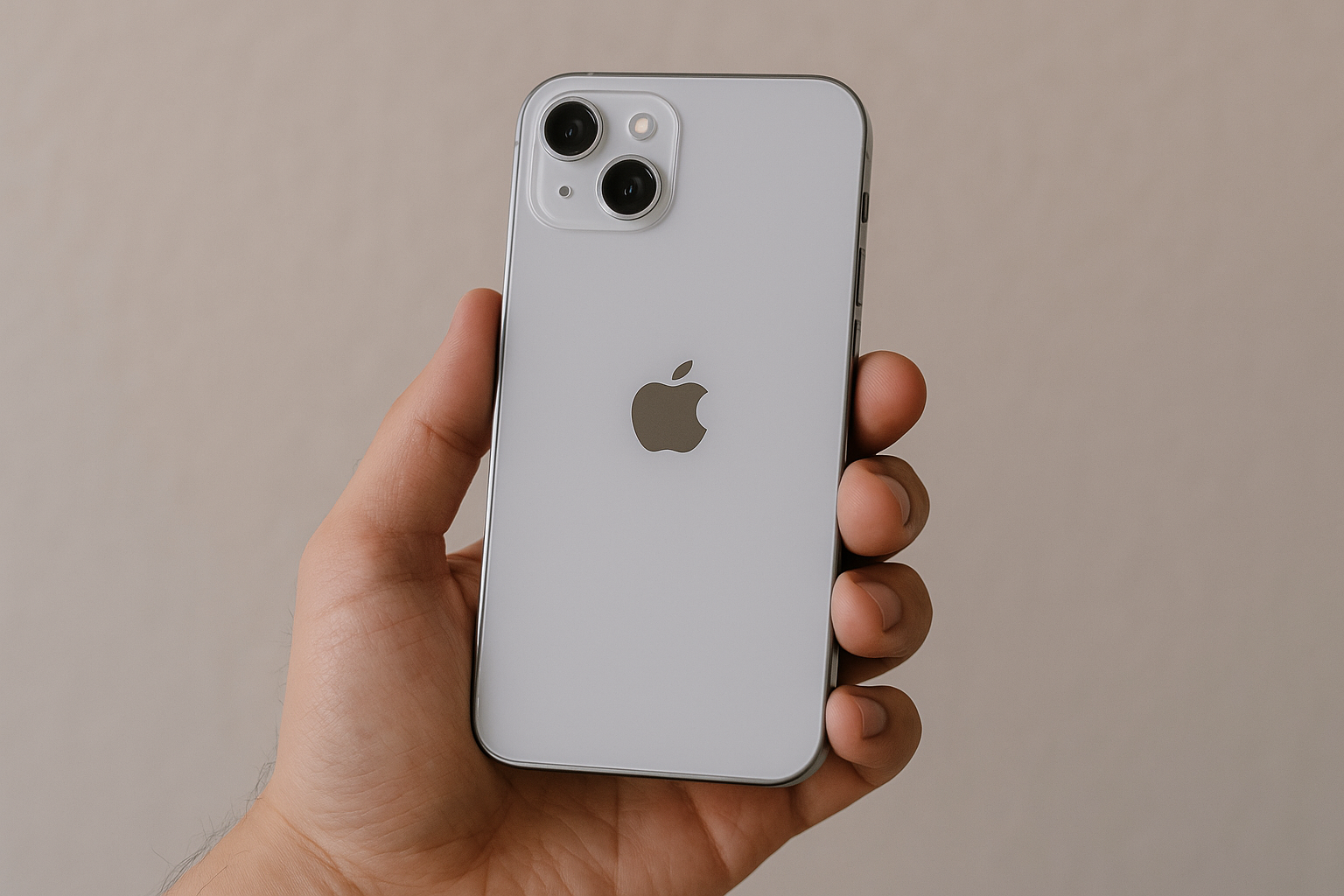
Understanding the Apple Trade-In Program for iPhones
In today's fast-paced tech world, keeping up with the latest iPhone model can be both exciting and daunting. The Apple Trade-In program offers an opportunity for users to upgrade their devices more affordably by trading in their old iPhones. However, understanding the requirements and process can be a bit overwhelming. This guide aims to shed light on the key aspects of Apple's Trade-In for iPhones, answering common questions and offering tips to maximize your trade-in value.
What is the Apple Trade-In Program?
The Apple Trade-In program allows customers to exchange their old iPhones for a credit that can be applied towards a purchase of a new iPhone or other Apple products. This initiative is part of Apple's commitment to a more sustainable environment by promoting the recycling and refurbishment of devices. According to Apple's 2026 sustainability report, the program has significantly reduced e-waste, having recycled millions of devices already.
Eligibility and Conditions for iPhone Trade-In
Which iPhone Models Are Eligible?
The eligibility of an iPhone for trade-in usually depends on its model and condition. Generally, Apple accepts most models, but it's always a good idea to check their official website for the latest information. As of 2026, models from the iPhone 8 and newer are widely accepted. The value of the trade-in, however, will vary based on the specific model and its condition.
What Conditions Must the iPhone Fulfill?
Condition is a crucial factor in determining the trade-in value. Here are some common requirements:
- Physical Condition: The device should not have any major wear and tear, such as cracked screens or water damage.
- Functionality: The iPhone must power on, and all buttons should function correctly.
- Original Components: Ideally, the iPhone should contain all its original components, including the battery.
- Fraud Prevention: The 'Find My iPhone' feature must be turned off to prevent theft and fraud (Apple Support explains how to do this here).
How to Prepare Your iPhone for Trade-In
Steps to Maximize Your iPhone’s Trade-In Value
Properly preparing your iPhone can help maximize its trade-in value. Here are some steps:
- Backup your data to iCloud or another device to ensure you do not lose important information.
- Unpair any devices like Apple Watches.
- Sign out of all Apple services, including iCloud, iTunes, and the App Store.
- Erase all data by going to Settings > General > Reset > Erase All Content and Settings.
- Remove any personal SIM card if applicable.
Evaluating the Trade-In Value
After submitting your device, Apple provides an estimated trade-in value. It's crucial to understand that this is an estimate and could change once Apple physically assesses the phone. According to a 2026 study by Tech.Pulse, the average trade-in value of an iPhone 12 was $300, depending on its condition.
Alternatives to Apple's Trade-In Program
While Apple's Trade-In program is convenient, it may not always offer the best value compared to other options. Here are some alternatives:
- Online Marketplaces: Platforms like eBay or Swappa may offer more competitive prices.
- Carrier Trade-Ins: Some carriers offer trade-in deals with conditions that could surpass Apple's offers.
- Local Electronic Stores: Retailers occasionally have special promotions for trade-ins, offering gift cards or store credit.
Conclusion
Trading in your iPhone can be an excellent way to bring down the cost of a new device while contributing to environmental efforts. Understanding the Apple Trade-In requirements helps in easing the process and maximizing your return. Whether you choose Apple's program or explore other avenues depends on your priorities in terms of convenience and financial return.