Understanding Auto Insurance: Are You Protected Against Theft and Vandalism?
Wondering if auto insurance covers theft and vandalism? Dive into this informative read to explore how different policies may include protection against these risks.
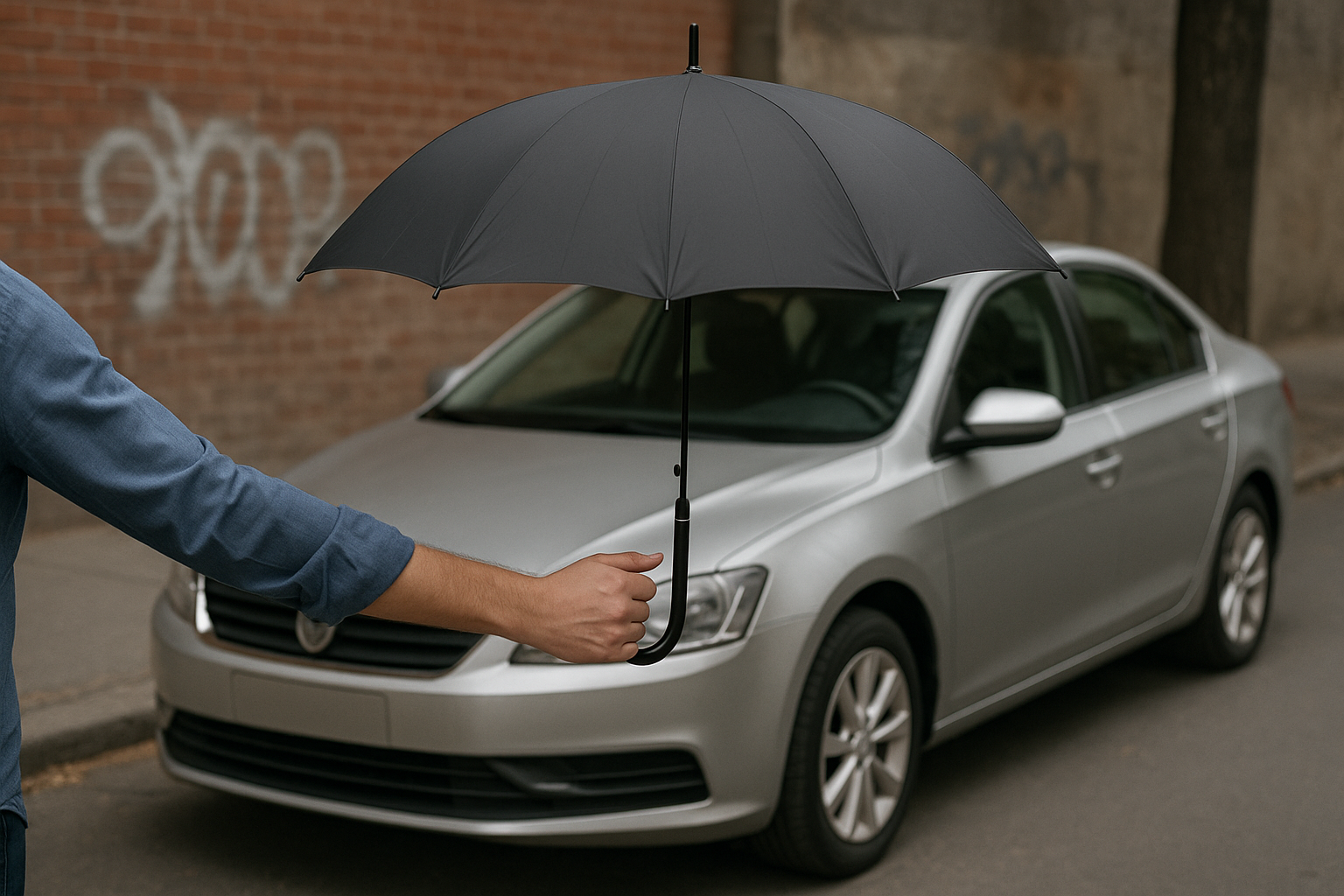
Understanding Auto Insurance Coverage for Theft and Vandalism
When it comes to protecting your vehicle, comprehending how auto insurance operates in cases of theft and vandalism can be crucial. Many vehicle owners often wonder, "Does auto insurance cover theft and vandalism?" The short answer is yes, but the extent of the coverage depends on the type of policy you have. This article aims to provide a thorough understanding of the specifics of auto insurance coverage concerning theft and vandalism.
Types of Auto Insurance Coverage
Auto insurance policies offer several types of coverage, each designed to protect different aspects of vehicle ownership. It's essential to identify which type of coverage applies to theft and vandalism. Here are the most common types of auto insurance:
- Liability Insurance: Covers damage or injuries that you cause to others in an accident. It does not cover theft or vandalism.
- Collision Insurance: This covers damage to your vehicle in the event of a crash, regardless of fault, but does not cover theft and vandalism.
- Comprehensive Insurance: This covers damages to your vehicle that are not related to a collision, including theft and vandalism. Comprehensive insurance is typically what you'll need to be covered for these incidents.
What Does Comprehensive Insurance Cover?
Comprehensive insurance is a vital component of auto insurance if you want protection against theft and vandalism. In addition to covering these incidents, it also typically includes:
- Natural disasters such as floods or hurricanes
- Fire damage
- Damage from falling objects
- Animal collisions
- Vandalism or malicious destruction
- Theft of the car or its parts
Comprehensive insurance ensures broad protection against events beyond your control. It’s advisable for vehicle owners who seek peace of mind regarding the unpredictable nature of theft and vandalism.
How Does Insurance Work in Cases of Theft?
If your vehicle is stolen, comprehensive insurance will typically cover the actual cash value of the vehicle at the time of the theft. Here’s how the process usually works:
- Report the Theft: File a police report immediately to document the incident.
- Contact Your Insurance Company: Notify your insurer as soon as possible. They will guide you on the next steps.
- Provide Necessary Documentation: You may need to provide proof of ownership, a list of the car’s contents, and report details.
- Investigation and Evaluation: The insurance company will conduct an investigation to validate the claim and assess the actual cash value.
- Claim Payout: If approved, you will receive a payout equivalent to your vehicle’s market value, minus the deductible.
Remember, the payout will deduct the amount agreed upon in your policy’s deductible, so selecting an appropriate deductible amount is crucial.
Coverage for Vandalism
Vandalism, though less serious than theft, can still result in costly damages. Comprehensive insurance typically covers repairs resulting from vandalism such as scratched paint, broken windows, or slashed tires. Here's what to do if your vehicle is vandalized:
- Document the Damage: Take pictures of the damage as evidence.
- File a Police Report: Similar to theft, report the incident to law enforcement to have formal documentation.
- Contact Your Insurance Provider: Share the police report and documentation with your insurer to start a claim.
- Get an Estimate: Obtain repair estimates for your damage to facilitate the claim process.
Vandalism claims can result in insurance premium increases, so consider these potential long-term costs when deciding whether to file a claim.
Factors Affecting Comprehensive Insurance Costs
The cost of comprehensive insurance can vary based on several factors:
- Vehicle Make and Model: More expensive or frequently stolen cars may incur higher premiums.
- Location: Areas with high crime rates or natural disaster risks tend to have higher insurance costs.
- Personal Driving History: A clean driving record can lead to lower premiums.
- Chosen Deductible: Lower deductibles result in higher premiums and vice-versa.
In 2026, the average comprehensive coverage cost was reported to be approximately $168 per year, according to data from NAIC.
Real-World Examples
Consider a situation where you return to your parked car only to find its windows smashed and the car radio missing. With comprehensive insurance, you would be covered for both the window replacement and the stolen items, assisting financially in recovering from such an incident.
Similarly, a car owner in Miami experiences his car being swept away by a hurricane-induced flood. Thanks to comprehensive coverage, he receives a payout based on the vehicle's pre-disaster value, illustrating the insurance's extensive coverage capabilities.
Conclusion: Is Comprehensive Coverage Worth It?
In a world where unpredictability governs occurrences like theft and vandalism, comprehensive insurance provides a safety net, ensuring that you’re not left grappling with expenses when such incidents happen. While it adds to your premium, the financial security can be invaluable.
Evaluating your car’s risk factors, the residential area’s crime rate, and your personal comfort with potential repair costs can guide your decision on purchasing comprehensive coverage.
For vehicle owners wanting peace of mind, adding comprehensive insurance against theft and vandalism may be a wise investment, given the protection it offers.