Understanding Auto Insurance Coverage for Hit and Run Accidents
Are you curious about whether auto insurance covers hit and run accidents? Understanding your coverage options is crucial to being prepared. In this article, we'll explore how different auto insurance policies may handle hit and run incidents.
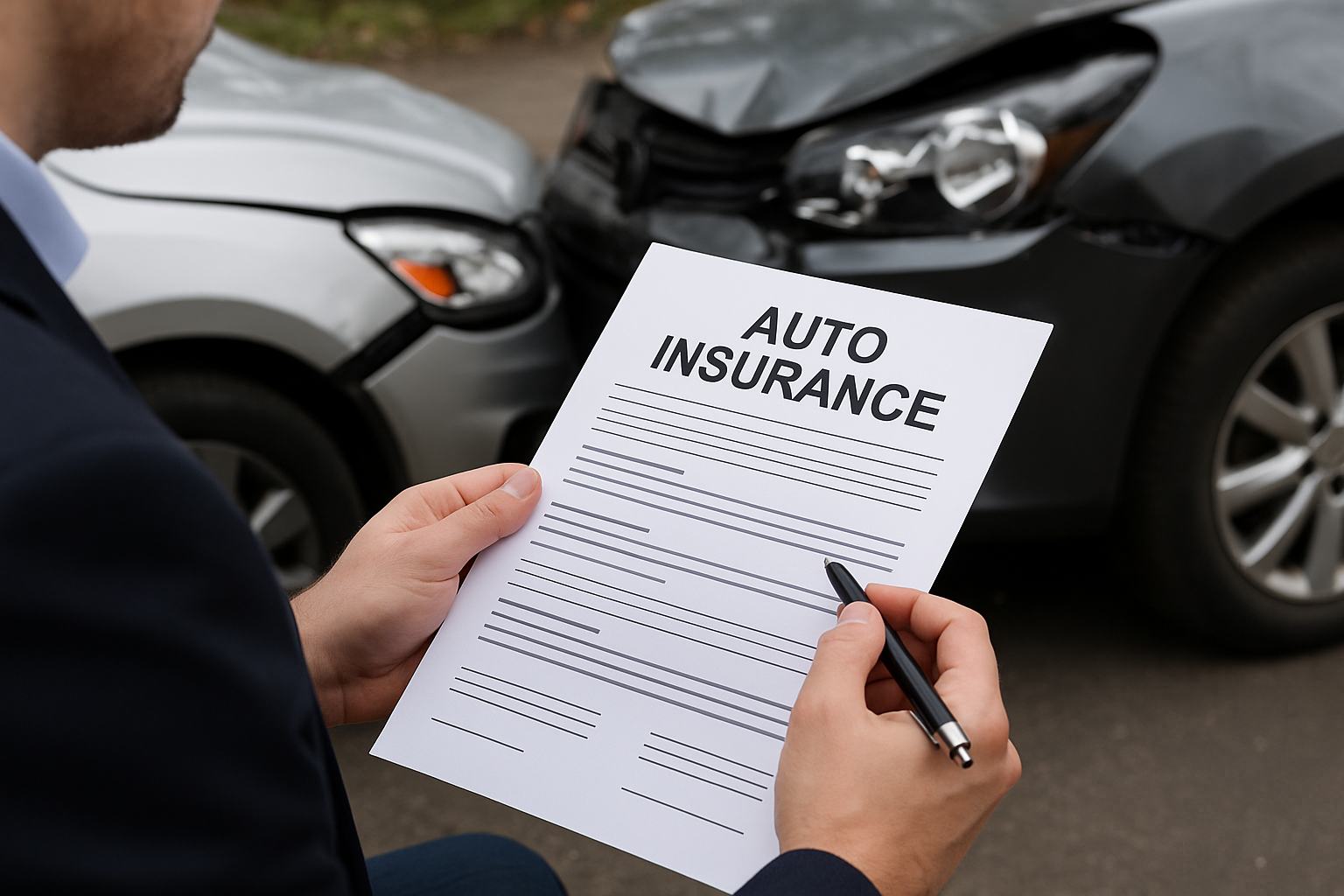
Understanding Auto Insurance Coverage for Hit and Run Accidents
Having car insurance provides peace of mind, but what happens if you're involved in an accident and the at-fault driver flees the scene? This is known as a hit-and-run accident. Understanding whether your auto insurance covers such incidents is crucial. This article will explore the intricacies of hit and run coverage, what it entails, the types of insurance policies that can help, and tips to protect yourself.
What is a Hit and Run Accident?
A hit and run accident occurs when a driver causes a collision and leaves the scene without providing contact information or rendering aid to anyone injured. Such accidents can lead to financial and emotional stress, primarily due to the uncertainty of covering damages when the responsible party is unknown.
Does your Auto Insurance Cover Hit and Run Accidents?
Whether your auto insurance covers hit and run accidents largely depends on your specific policy details and the type of coverage you have chosen.
Liability Coverage
Liability coverage, a mandatory component for most car insurance policies, does not cover hit and run accidents. This type of coverage is designed to pay for damages you cause to others but does not extend to damages caused by unknown third parties.
Comprehensive and Collision Coverage
Collision coverage is one type of insurance that can protect you against hit and run incidents. Generally, it covers damage to your vehicle caused by a collision, irrespective of fault. This includes scenarios where the other party is unidentified. In contrast, comprehensive coverage typically handles non-collision related damage, such as theft or natural disasters.
Uninsured Motorist Coverage
One of the most critical forms of coverage when dealing with hit-and-run accidents is Uninsured Motorist Coverage (UM), including both bodily injury and property damage segments. In certain states, insurers must offer UM coverage, although it's optional in others. This type of policy covers your medical expenses and vehicle repairs when the other party cannot be identified or lacks insurance.
How to File a Hit and Run Claim
Filing a claim after a hit and run can be challenging, but acting swiftly and following proper procedures can improve your chances of receiving coverage.
- Document Everything: Take photographs of the accident scene, your vehicle, and any injuries. Collect statements from witnesses if possible.
- Report the Incident: Notify the police immediately. Having an official report is often a prerequisite for processing insurance claims.
- Contact Your Insurance Company: Provide them with all relevant details and documentation, enabling the claims adjuster to assess your situation accurately.
- Follow Up: Regularly check the progress of your claim and supply any additional information promptly.
Real-world Examples
Consider the story of Jane in California. Jane experienced a hit and run accident, resulting in significant damage to her car. Fortunately, she had comprehensive collision coverage which covered her vehicle repair costs despite the fleeing driver remaining unidentified. Her insurance policy handled the repairs, and Jane only had to pay her deductible.
Recent Data and Statistics
Hit and run incidents are unfortunately common. According to the National Highway Traffic Safety Administration (NHTSA), there were approximately 737,100 hit-and-run crashes in the United States in 2025. Data from the Insurance Research Council (2026) suggests about 13% of all drivers are uninsured motorists, underscoring the importance of UM coverage. Learn more from NHTSA.
Additional Considerations and Tips
Here are essential tips for considering your auto insurance policy:
- Evaluate Your Coverage: Review your auto insurance policy periodically to ensure it aligns with your needs, especially regarding hit and run coverage.
- Consider Higher Limits: Opting for more comprehensive coverage, even when optional, can provide better financial protection in a hit-and-run situation.
- Understand State Requirements: Each state has different requirements regarding uninsured motorist coverage. Familiarize yourself with these to optimize your policy.
Conclusion
Hit and run accidents can be incredibly stressful, but comprehensive insurance coverage can offer a semblance of security. By understanding the different types of coverage available and ensuring you are adequately protected, you can mitigate the risks associated with these unpredictable incidents. Always review your policy details and consult with your insurance provider to confirm your level of protection.