Understanding Auto Insurance: Coverage for Pothole-Related Accidents
Discover the ins and outs of auto insurance and how it might cover accidents caused by potholes. While coverage depends on your policy, understanding typical scenarios can save you time and stress. Dive into real-life examples and learn tips to better navigate pothole-related claims.
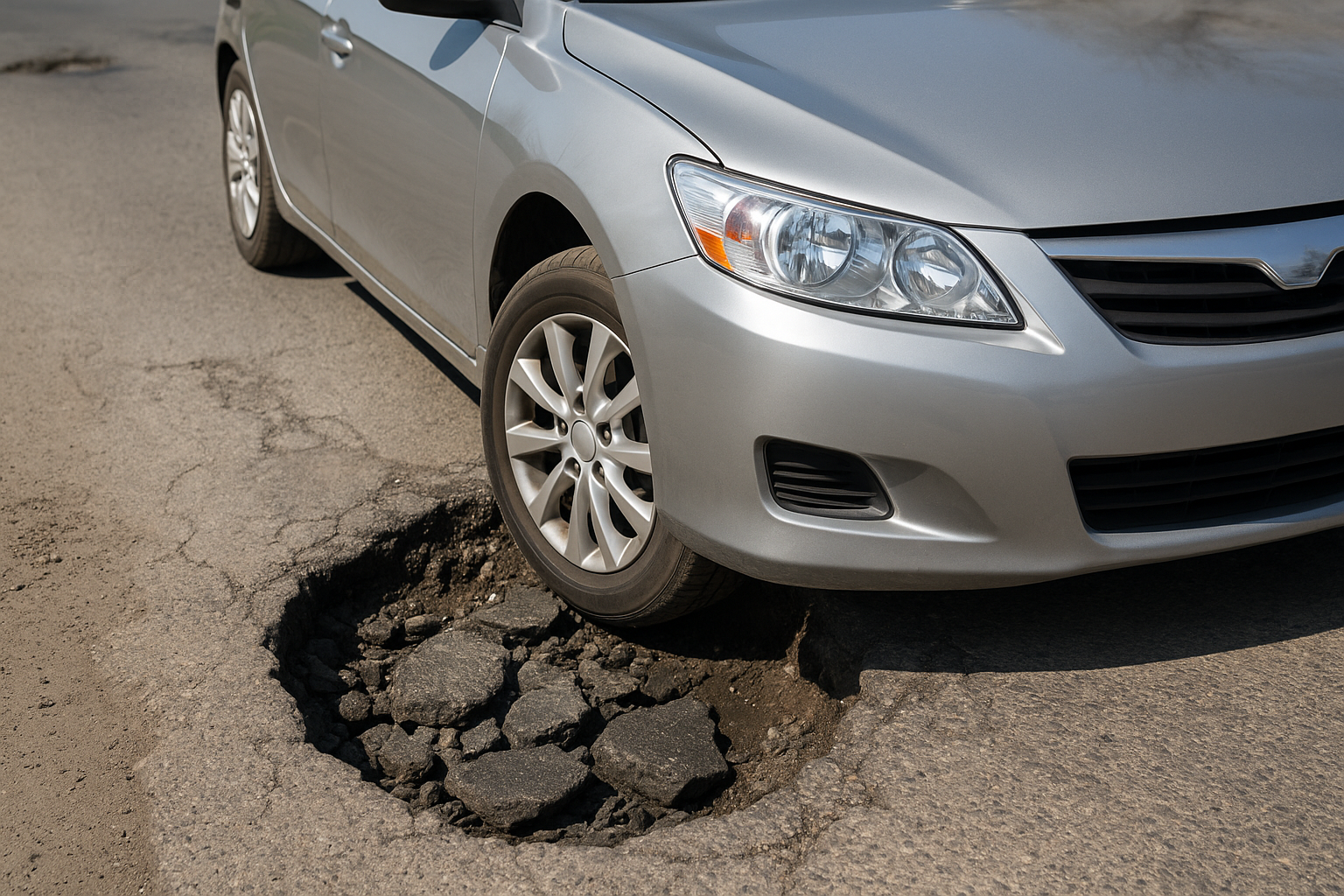
Understanding Auto Insurance Coverage for Pothole Accidents
When it comes to auto insurance, understanding the nuances of coverage can be crucial, especially regarding the unpredictable nature of road conditions. Among the many questions vehicle owners have is, "Does auto insurance cover accidents caused by potholes?" This article delves into the details of how different types of auto insurance policies may cover such incidents and what actions drivers can take.
What is a Pothole and Why Are They Problematic?
Potholes are depressions or hollow spots on the roadway surface, typically formed due to water seeping into cracks and expanding under freezing conditions or due to regular wear and tear. These seemingly small dips can cause significant damage to vehicles, including tire punctures, bent wheels, suspension damage, and worse.
In 2026, road maintenance reports highlighted that potholes accounted for nearly 30% of road infrastructure complaints worldwide, reflecting their widespread impact on driving conditions (Road Safety Global Report, 2026). The challenge in managing potholes makes understanding insurance policies even more important.
Does Auto Insurance Cover Pothole Damage?
Determining whether your auto insurance will cover pothole-related damage largely depends on the type of coverage you have:
Collision Coverage
Collision coverage is specifically designed to cover events where your vehicle is damaged in an accident, irrespective of fault. This typically includes running into or over obstacles such as potholes. Here’s how it works:
- Claim Process: When your car sustains damage from hitting a pothole, you can file a claim with your insurer. The policy will reimburse you for repairs after deducting your policy’s deductible.
- Examples: If a driver hits a deep pothole that damages the undercarriage of the car, collision coverage can help cover the repair costs, assuming the repair costs exceed the deductible.
According to the Insurance Information Institute, collision coverage was included in about 74% of policies (2026), making it a viable option for many drivers facing such incidents.
Comprehensive Coverage
While comprehensive coverage protects against non-collision scenarios such as theft or natural disasters, it's crucial to note that it does not typically cover pothole damage. This coverage focuses on events beyond your control that do not involve a collision.
Liability Coverage
Liability insurance is primarily focused on covering damage to other people’s property or injury to others resulting from an accident you cause. It does not cover damage to your own vehicle, including damage caused by potholes.
Steps to Take If Your Car is Damaged by a Pothole
Encountering a pothole can be jarring, but knowing what to do next can minimize frustration and financial impact.
Document the Incident
Documentation is key when filing an insurance claim. Take photos of the pothole, the damage caused, and the general location, including any landmarks or signs. This evidence can help your case.
Get an Estimate
Visit a certified mechanic to get a repair estimate. This documentation will be essential when filing your claim with the insurance company.
File a Claim
Contact your insurance provider to initiate a claim. Provide all necessary documentation and be prepared to answer any questions related to the incident.
Preventative Measures and Road Safety
While insurance can provide a safety net, preventative measures can ensure your safety and reduce the likelihood of encountering significant damage:
Stay Vigilant and Drive Safely
Pay attention to the road conditions, especially during seasons prone to freezing and thawing, which exacerbate pothole formation. Slowing down and increasing the distance between you and other vehicles gives you more time to react.
Keep Tires Properly Inflated
Proper tire inflation can absorb some of the shocks from rough terrain, reducing the risk of severe damage. Regular checks of your tires’ air pressure can be a simple yet effective measure.
Report Potholes
Many local governments now offer online or app-based reporting systems. Reporting a pothole can lead to repairs, reducing hazards for all drivers. In 2026, such systems were credited with reducing pothole-related accidents by 15% in urban areas (Urban Infrastructure Forum, 2026).
Conclusion
Potholes present a real risk to vehicles and drivers alike, but understanding how your insurance policy interacts with these road hazards can help you prepare and respond effectively. Collision coverage is your best bet for financial protection, but taking preventative action and knowing the steps following an incident ensures you're ready for anything the road throws your way. Always keep informed about your policy specifics and maintain vigilance on the road for a safer journey.