Understanding Auto Insurance for Disabled Veterans: What You Need to Know
Discover the ins and outs of how auto insurance works for disabled veterans. While policies can vary, understanding the options and benefits available to disabled veterans is crucial in making informed decisions about coverage.
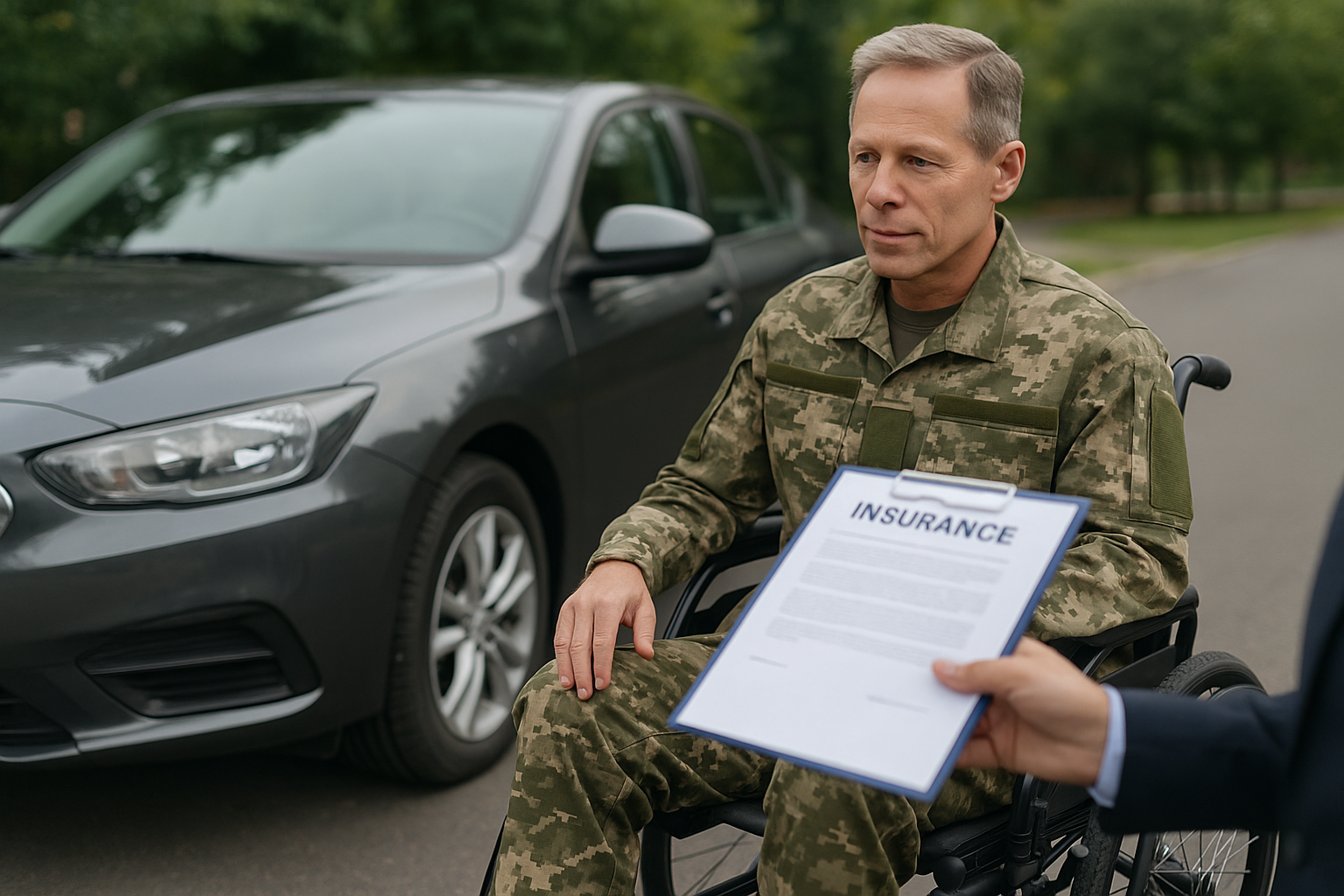
Understanding Auto Insurance for Disabled Veterans
Auto insurance is a necessity for drivers across the United States, providing financial protection in case of accidents or other vehicle-related issues. However, for disabled veterans, understanding these policies can be even more significant, as there may be special considerations or offers available to them. This article delves into how auto insurance works specifically for disabled veterans and addresses common questions they might have.
Are There Special Discounts for Disabled Veterans?
Yes, many auto insurance companies offer unique discounts for veterans, including those with disabilities. These discounts can often result in considerable savings on insurance premiums. Insurers recognize the sacrifices made by veterans and provide these offers as a token of appreciation.
- Veteran-Specific Discounts: Some insurers provide exclusive discounts to veterans, which can sometimes extend to their families. It’s worth enquiring directly with an insurer about such benefits.
- Multi-Policy Discounts: Bundling auto insurance with other insurance products, like home insurance, can also result in significant savings. Veterans can frequently benefit from such offers.
What Factors Impact Premiums for Disabled Veterans?
Insurance premiums are influenced by many factors, and being a disabled veteran might both mitigate and exacerbate these costs. Here’s a comprehensive look at what insurers consider:
- Driving Record: As with any driver, a clean driving record usually results in lower premiums.
- Vehicle Type and Use: Heavy-duty or highly specialized vehicles could lead to higher premiums. Veterans employing their vehicles for business purposes should expect different rates.
- Location: Urban settings typically have higher insurance rates due to increased accident likelihood compared to rural areas.
- Discounts for Modifications: Vehicles modified to accommodate disabilities may qualify for special considerations or discounts as they reflect responsible and safe driving setups.
Available Coverage Options
Disabled veterans should consider which types of auto insurance coverage best meet their needs. Understanding these options is crucial for making informed decisions.
- Liability Coverage: This covers damages the policyholder causes to others in an accident. It’s a standard requirement in most states.
- Collision Coverage: This pays for damage to the insured's vehicle resulting from a collision with another vehicle or object.
- Comprehensive Coverage: Beyond collisions, this covers theft, fire, vandalism, and other non-collision-related damages.
- Uninsured/Underinsured Motorist Coverage: Protects against accidents involving drivers who lack sufficient insurance.
- Medical Payments Coverage: Covers medical expenses incurred due to an accident, regardless of who’s at fault, which might be particularly beneficial for individuals with health considerations.
Making a Claim
The claim process can be daunting, especially for those unfamiliar with it or coping with disabilities. Here’s what veterans need to know:
Immediately after an accident: Ensure personal safety and that of others involved. Once safety is confirmed, collect pertinent information such as the driver’s license numbers, insurance details, and witness accounts.
Contact your insurer promptly to report the incident. Clearly explain the situation and follow their guidance regarding next steps. It is beneficial to keep all communication organized, as it can help in expediting the claim process.
Additional Resources and Assistance
Various organizations and programs are designed to assist disabled veterans with auto insurance and other related matters. Here’s a list of some helpful resources:
- U.S. Department of Veterans Affairs (VA): Offers a range of benefits and resources.
- American Legion: Provides advocacy and support for veterans on multiple fronts.
- USA.gov for Veterans: A comprehensive portal for veterans to access federal government resources, including financial assistance programs.
The Future Outlook
As of 2026, there have been ongoing discussions within the insurance industry to further enhance policies and discounts specific to disabled veterans. A notable trend is the comprehensive push towards making insurance more inclusive, recognizing the unique needs and contributions of veterans.
Additionally, technological advancements like telematics, which monitor driving habits, could provide personalized premiums for veterans, potentially benefiting those demonstrating safe driving behaviors.
In conclusion, while disabled veterans may face unique challenges, numerous resources and tailored insurance options are available to support them. Understanding these possibilities is essential in making informed insurance choices and leveraging potential discounts and coverage advantages.
https://www.va.gov/disability/eligibility/special-claims/automobile-allowance-adaptive-equipment/
https://www.va.gov/disability/compensation-rates/special-benefit-allowance-rates/
https://www.va.gov/forms/21-4502/
https://www.rehab.va.gov/PROSTHETICS/psas/AAE.asp
https://www.geico.com/information/military/
https://www.geico.com/save/discounts/military-discounts/