Understanding Auto Insurance Options for Disabled Veterans: What to Know
Are you a disabled veteran wondering about auto insurance options? While the VA offers various benefits, direct auto insurance isn't one of them.
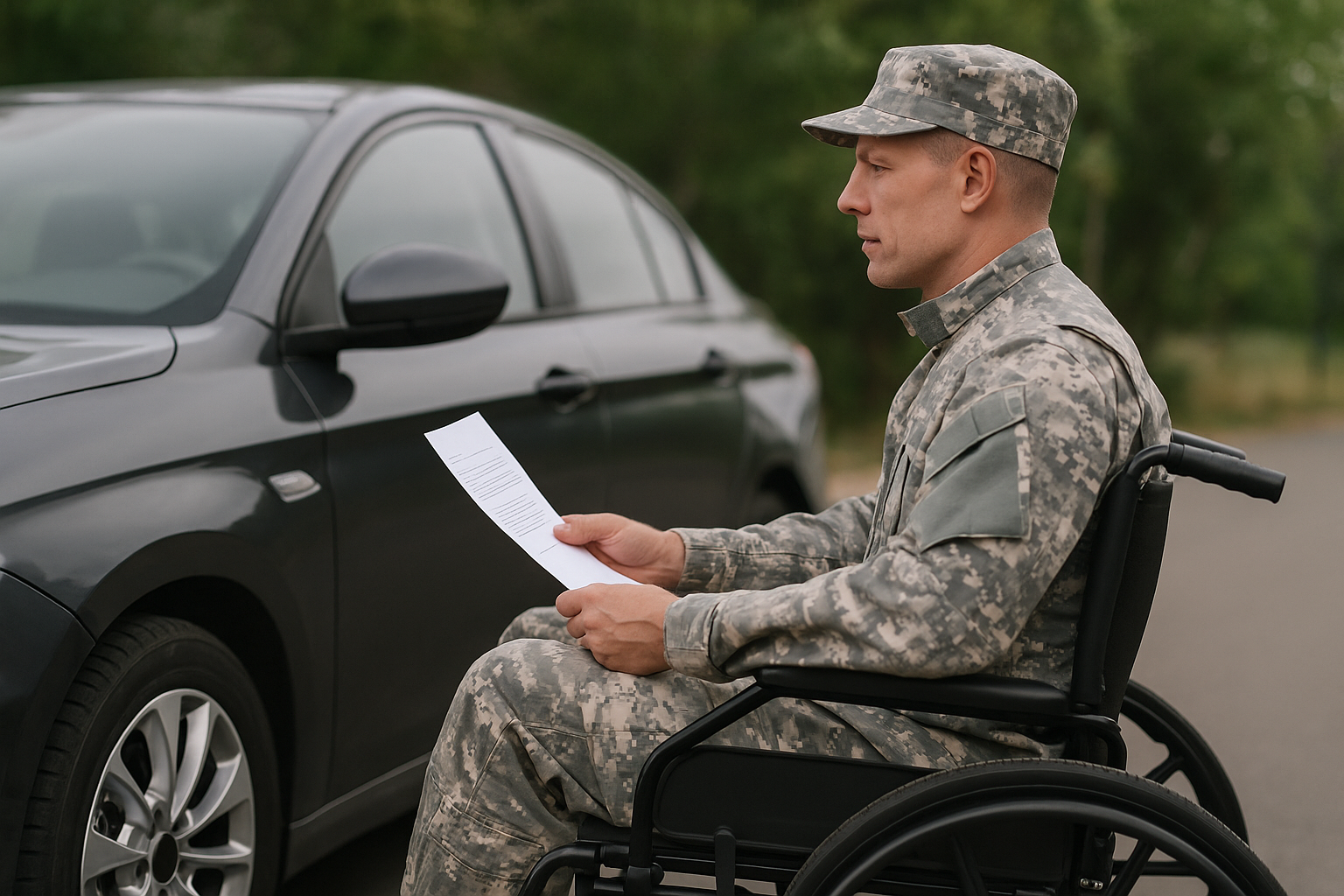
Understanding Auto Insurance Options for Disabled Veterans
Disabled veterans often face a unique set of challenges when it comes to securing adequate auto insurance. A common question arises: Can disabled veterans get auto insurance through the VA? While the Department of Veterans Affairs (VA) provides various benefits and assistance programs, auto insurance is not one traditionally offered directly through the VA. However, there are several advantageous routes veterans can explore to ensure they receive the coverage they need at a reasonable cost.
VA Benefits: Overview and Implications for Auto Insurance
The Veterans Affairs department primarily focuses on healthcare, education, home loans, and disability benefits, among others. While there's no direct provision for auto insurance, several VA programs can indirectly help veterans manage vehicle-related expenses or provide financial relief.
- Adaptive Equipment Grants: These grants assist disabled veterans in purchasing and installing adaptive equipment in their vehicles, ensuring safer and more convenient transportation.
- Automobile Allowance: For eligible veterans, the VA offers a one-time payment towards the purchase of a vehicle, which could indirectly reduce the financial burden of auto insurance costs.
Alternative Insurance Options for Disabled Veterans
While the VA does not offer direct auto insurance, disabled veterans can explore specialized insurance plans and discounts tailored for them. These include:
- USAA: Known for serving military families, USAA provides competitive rates and personalized services for active-duty service members, veterans, and their families. It includes a range of coverage options that can be tailored to fit specific needs.
- GEICO Military Discounts: GEICO offers discounts to current and retired military personnel, which can significantly reduce the cost of auto insurance premiums.
- State-Specific Programs: Some states have insurance programs or mandates requiring insurers to extend benefits to disabled veterans, potentially lowering costs or enhancing coverage.
The Impact of Disability on Auto Insurance Rates
Auto insurance rates typically depend on factors such as driving history, location, type of vehicle, and personal circumstances. Disabilities may influence these factors in various ways. For example, if a disability affects one’s driving capability, adaptive equipment could impact the insurance premiums. Some insurance companies offer discounts for vehicles equipped with specific safety features benefitting disabled drivers.
According to a 2026 survey by the Insurance Institute for Highway Safety, nearly 20% of insurance policies include discounts for adaptive equipment, demonstrating a growing recognition among insurers of the needs of disabled drivers (source).
How Disabled Veterans Can Navigate the Insurance Landscape
To make the most of available resources, here are some strategies disabled veterans can employ:
- Research and Compare: Utilize online comparison tools to evaluate insurance policies and identify the ones offering military discounts or other benefits.
- Consult a Veteran Service Officer (VSO): A VSO can provide valuable advice and guidance on navigating veteran benefits and identify available financial assistance for vehicle-related expenses.
- Leverage State and Federal Resources: Explore benefits outside the VA, such as state-specific veteran programs and federal grants for vehicle modifications.
Real-Life Success Stories
Many veterans have navigated the complex world of auto insurance with success. Take John, a disabled Army veteran from Texas, who utilized a combination of VA grants and a specialized military discount from USAA to purchase a new vehicle suited to his needs, reducing his overall insurance costs by 25%. Another example is Samantha, a Navy veteran, who leveraged state programs in California that mandate insurers to offer additional benefits to disabled veterans, enabling her to secure comprehensive coverage at a reduced rate.
Conclusion
While the VA does not directly provide auto insurance, numerous options and resources are available for disabled veterans. By understanding the role of VA benefits, exploring specialized insurance providers, and taking advantage of available discounts and programs, disabled veterans can navigate the insurance landscape effectively. For further support, connecting with a local Veterans Service Officer can provide personalized assistance tailored to specific needs and circumstances.
https://www.va.gov/disability/eligibility/special-claims/automobile-allowance-adaptive-equipment/
https://www.va.gov/disability/compensation-rates/special-benefit-allowance-rates/
https://www.va.gov/forms/21-4502/
https://www.rehab.va.gov/PROSTHETICS/psas/AAE.asp
https://www.va.gov/health-care/file-travel-pay-reimbursement/