Understanding Auto Insurance: What Happens in a Hit and Run Accident?
Wondering if your auto insurance covers hit and run accidents? In this article, we delve into the essential details of auto insurance policies to help you navigate the aftermath of a hit and run. Coverage can vary by provider, so it's crucial to understand your specific plan.
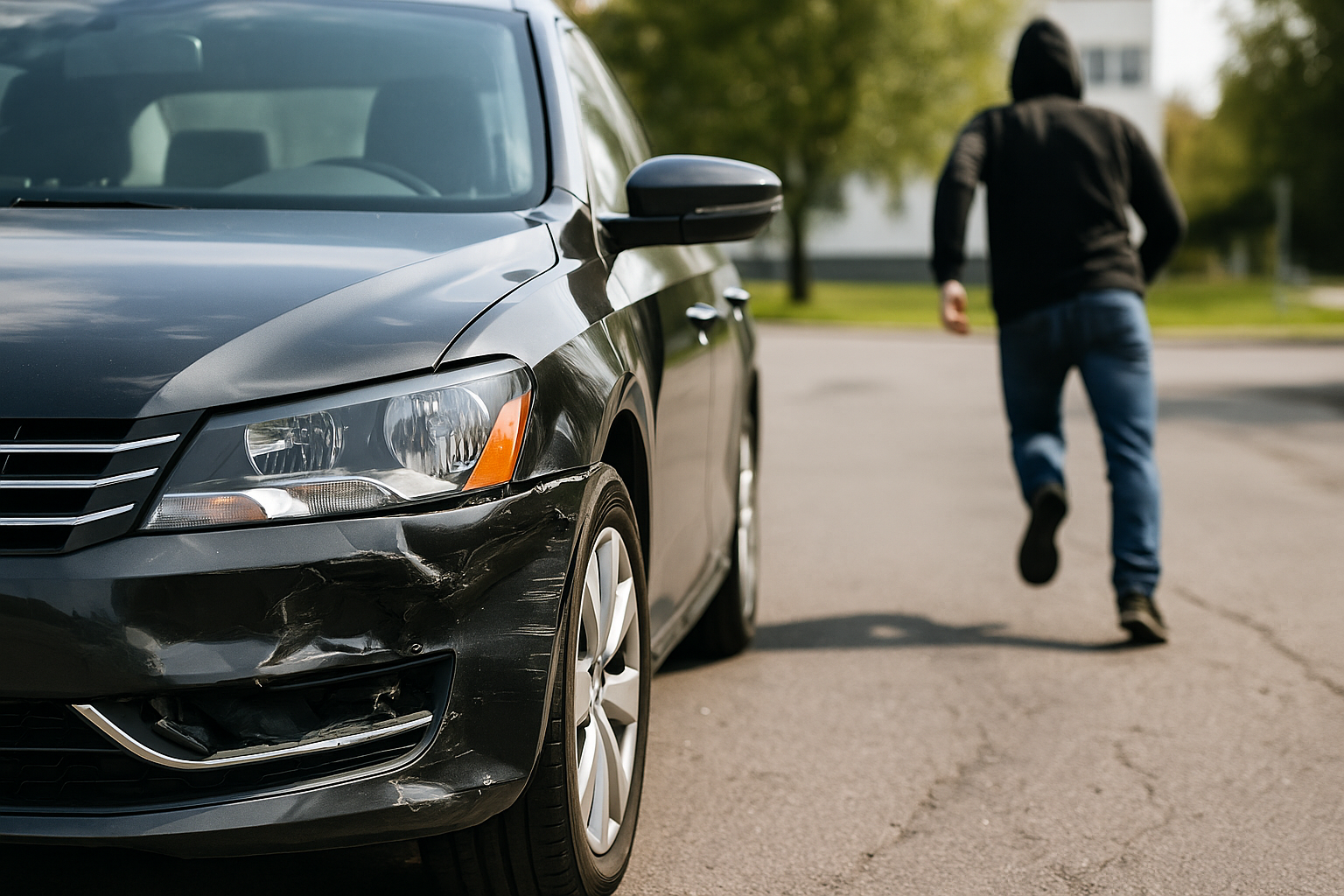
Understanding Auto Insurance and Hit and Run Accidents
Auto insurance is an essential part of responsible vehicle ownership, providing financial protection against a variety of accidents and damages. However, when it comes to the specific scenario of hit-and-run accidents, many drivers wonder if their insurance policies provide adequate coverage. In this article, we'll delve into the intricacies of auto insurance concerning hit-and-run accidents, addressing common questions and helping you understand your options.
What is a Hit and Run Accident?
A hit-and-run accident occurs when a driver involved in a collision leaves the scene without providing contact information, offering assistance, or reporting the accident to authorities. This can occur in various scenarios, such as:
- When a vehicle hits another car and drives away without stopping.
- When a driver hits a pedestrian or cyclist and leaves the scene.
- When a vehicle damages property, such as a parked car, and the driver does not take responsibility.
In 2026, the AAA Foundation for Traffic Safety reported that more than 11% of auto accidents in the United States are classified as hit-and-runs, highlighting the need for drivers to be aware of their coverage in such situations.
Does Auto Insurance Cover Hit and Run Accidents?
Coverage for hit-and-run accidents largely depends on the type of auto insurance policy you carry. Here are the most common types of coverage related to hit-and-run incidents:
- Uninsured Motorist Coverage (UM): This coverage is particularly valuable when the at-fault driver cannot be identified, such as in a hit-and-run. It helps cover damages to your vehicle and medical expenses.
- Collision Coverage: If you carry collision insurance, it may cover the cost of repairing your vehicle after a hit-and-run. However, you may be responsible for paying a deductible.
- Personal Injury Protection (PIP): PIP coverage can help cover medical expenses for you and your passengers, regardless of who was at fault, which can be crucial in hit-and-run cases.
While these coverages can provide financial relief, it's important to review your policy details to understand the extent of your coverage in the event of a hit-and-run accident.
Steps to Take After a Hit and Run Accident
If you find yourself the victim of a hit-and-run accident, there are several important steps you should take to protect yourself and your potential insurance claim:
Ensure Safety First
Your immediate priority is safety. Ensure that you're not in danger from other traffic, and check if you or any passengers require medical attention. Call emergency services if necessary.
Document the Incident
Try to gather as much information as possible regarding the incident:
- Take note of the make, model, and color of the fleeing vehicle.
- Write down any part of the license plate number you can recall.
- Photograph the scene, including vehicle damage and any visible injuries.
- Gather contact information from any witnesses.
Report to Authorities
File a report with the local police. A detailed police report can strengthen your insurance claim, especially if the other driver cannot be identified.
Contact Your Insurance Company
Report the hit-and-run to your insurance company as soon as possible. Provide them with all the details you've gathered and cooperate with any further investigations. Timeliness is crucial in processing claims, so don't delay.
Preventive Measures and Awareness
While hit-and-run accidents can be unpredictable, certain practices can minimize risk and protect you in the long run:
Invest in Adequate Coverage
Ensure your policy includes comprehensive coverage that accounts for hit-and-run scenarios. Discuss options with your insurance agent to tailor coverage to your specific needs.
Maintain Vigilance
Be alert and cautious on the road. Maintain safe following distances and be aware of your surroundings, especially at intersections and in parking lots where hit-and-runs often occur.
Park Wisely
When possible, park in well-lit, populated areas. This can deter potential perpetrators and provides better chances of gathering evidence if a hit-and-run occurs.
Final Thoughts
Navigating the aftermath of a hit-and-run accident can be challenging, especially if you're uncertain about your insurance coverage. By understanding your policy, taking proactive steps, and adequately documenting incidents, you can better protect yourself. For more detailed advice and assistance, consulting with a trusted insurance professional or legal advisor is always recommended.
For the latest data on traffic incidents and insurance policies, the Insurance Information Institute and National Highway Traffic Safety Administration offer comprehensive resources.