Understanding Auto Insurance: What You Need to Know About Theft and Vandalism Coverage
Curious about whether your auto insurance protects against theft and vandalism? Discover how different policies might address incidents like theft or vandalism and understand what factors could influence coverage. While auto insurance often includes these protections, the specifics can vary.
Understanding Coverage for Theft and Vandalism in Auto Insurance
As a vehicle owner, it's important to understand what your auto insurance policy covers, especially when it comes to theft and vandalism. Given their unpredictable nature, these risks can cause significant financial strain, not to mention the inconvenience. This guide aims to answer common questions about whether auto insurance policies cover theft and vandalism, and how you can better protect your vehicle. We'll explore different types of insurance coverage, what is typically included for theft and vandalism, and how claims are processed.
Types of Auto Insurance Coverage
Auto insurance is not a one-size-fits-all solution. There are various types of coverage, each serving different needs. Understanding these can help ensure you have the right protection against theft and vandalism. Here are the most common types:
- Liability Coverage: This is usually mandatory and covers costs associated with injury or damage you cause to others in an accident. It does not cover theft or vandalism of your own vehicle.
- Comprehensive Coverage: Often optional, this coverage specifically includes theft and vandalism. It extends beyond accidents to cover incidents like fire, natural disasters, and falling objects.
- Collision Coverage: This covers damage to your car from a collision, whether with another vehicle or an object. However, it doesn’t include theft or vandalism.
Does Comprehensive Coverage Include Theft and Vandalism?
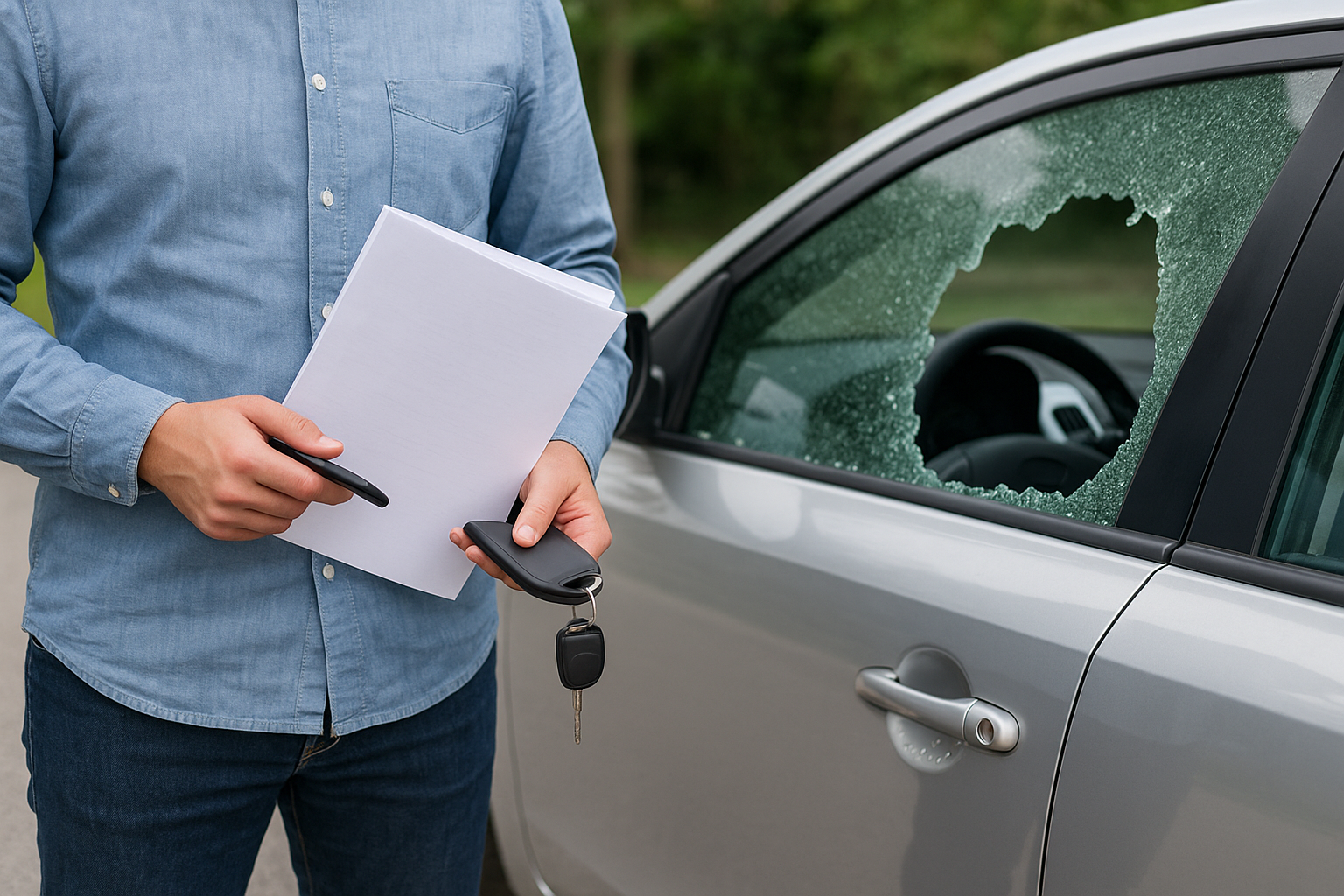
Yes, comprehensive coverage is the part of an auto insurance policy that pays for the theft or vandalism of your vehicle. It offers financial protection if your car is stolen, or if it incurs damage from vandalism like broken windows or keyed paint. According to the Insurance Information Institute, approximately 77% of drivers carry comprehensive coverage, reflecting its importance in providing peace of mind for such occurrences.
Most comprehensive policies will cover:
- Stolen vehicles
- Damage from vandalism (e.g., graffiti, broken windows)
- Stolen vehicle parts (like catalytic converters or side mirrors)
How to File a Claim for Theft or Vandalism
If your vehicle is stolen or vandalized, filing a claim can help mitigate your expenses. Here’s a step-by-step guide on what to do:
- Contact the Police: Report the theft or vandalism to local authorities immediately for an official record. This report will be crucial for your insurance claim.
- Gather Information: Document everything - pictures of the damage, description of the stolen items, and any relevant circumstances.
- Notify Your Insurance Company: Contact your insurer as soon as possible. They will guide you through specific documentation needed, such as repair estimates or receipts.
- Follow Up with Adjuster: An insurance adjuster will likely assess the damage to determine compensation. Work closely with them to ensure all evidence and documents have been reviewed.
Note that your specific policy and coverage limits will affect the outcome. Deductibles may apply, reducing the compensation you receive.
Factors Affecting Theft and Vandalism Coverage
Several factors can impact how comprehensive coverage for theft and vandalism is applied, including:
- Policy Terms: Review your insurance policy to understand coverage limits and exclusions. Some insurers may exclude high-value items stolen from the vehicle.
- Deductibles: Your out-of-pocket cost before insurance kicks in can vary, affecting your decision to file a claim for minor damage.
- Vehicle Security Features: Cars with advanced security systems might qualify for discounts on premiums, reflecting a lower risk of theft.
- Location: Living in high-crime areas often increases the likelihood of theft or vandalism, sometimes influencing insurance rates.
- Insurance History: Frequent claims can affect your premiums over time.
Reducing Your Risk of Theft and Vandalism
While comprehensive coverage offers protection, prevention is always preferable. Here are some strategies to reduce your risk:
- Park in well-lit, secure areas.
- Install an anti-theft device and visible deterrents.
- Keep valuables out of sight.
- Always lock your vehicle and never leave it running unattended.
Conclusion
Understanding whether your auto insurance policy covers theft and vandalism is crucial for financial protection and peace of mind. Comprehensive coverage is essential for mitigating the potential loss and damage caused by these unforeseen events. By selecting the right coverage and taking proactive measures to protect your vehicle, you can navigate these challenges with greater ease. Keep your policy details updated and consult with your insurance provider to ensure you have adequate protection against these risks.
For more about vehicle coverage and tips, you may find the resources from the Insurance Information Institute and National Highway Traffic Safety Administration helpful.