Understanding Balance Transfer Credit Cards: A Guide to Smart Financial Choices
Discover how balance transfer credit cards can ease your financial burden by offering lower interest rates. Learn the potential benefits and pitfalls involved in transferring balances from high-interest cards, without promising instant financial gains.
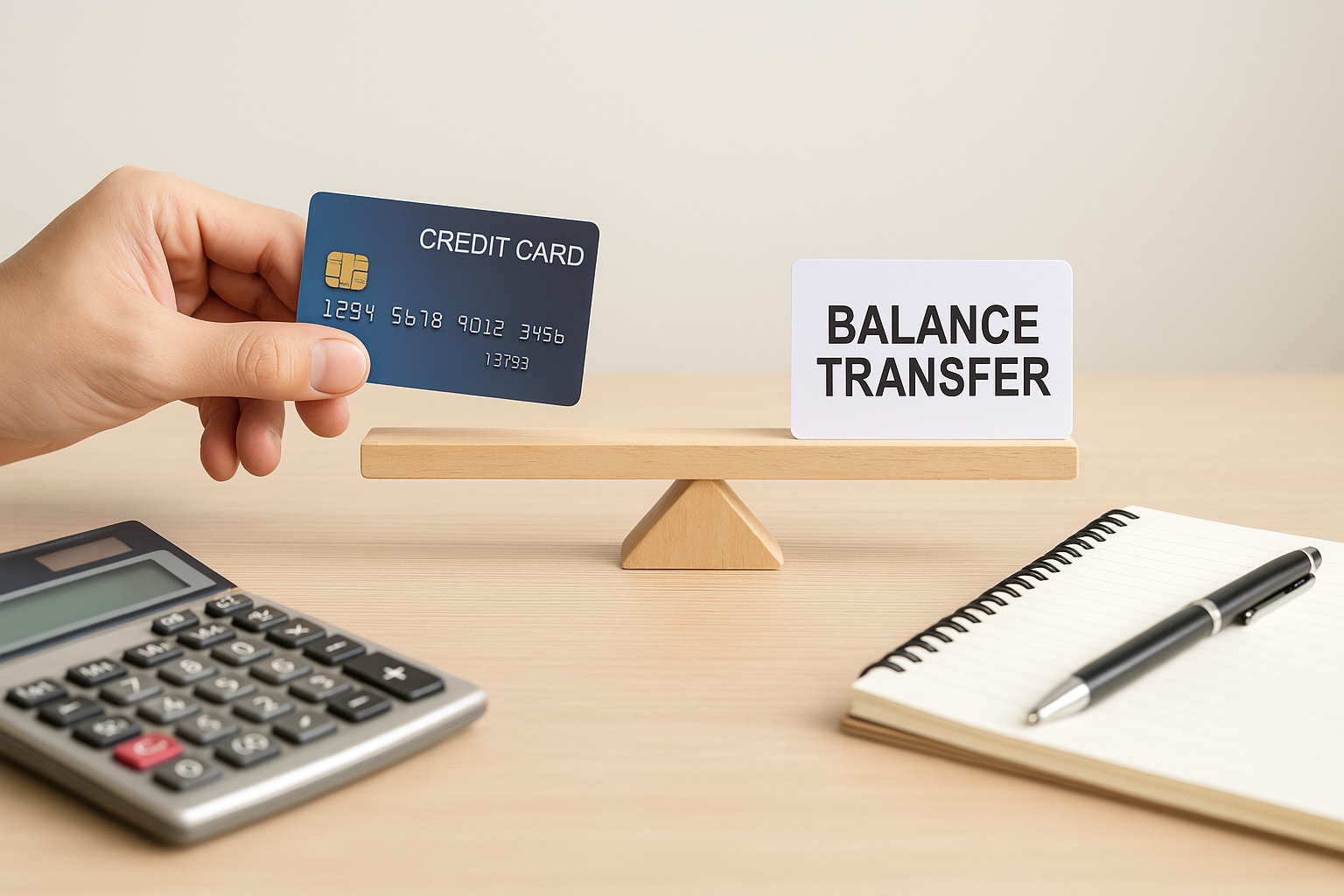
What are Balance Transfer Credit Cards?
Balance transfer credit cards are a type of credit card that allows you to transfer the balance from one or more existing credit cards to a new card, usually offering a lower interest rate or even a 0% introductory rate for a limited period. This can help you save money on interest payments and make it easier to manage your debt by consolidating it into one payment.
How Do Balance Transfer Credit Cards Work?
When you apply for and are approved for a balance transfer credit card, you can request to transfer existing credit card balances to your new card. The issuer pays off your old card balances and transfers them to your new card account. Typically, these cards come with an introductory period during which you can benefit from a low or 0% interest rate, helping you pay down the principal balance more quickly.
For example, if you have $5,000 in credit card debt at 18% APR and you transfer it to a card with 0% APR for 18 months, you could save significant money in interest if you pay off the debt within the promotional period.
What Fees are Associated with Balance Transfers?
It's important to understand the fees associated with balance transfers, as they can affect the overall savings. Most balance transfer credit cards charge a balance transfer fee, typically between 3% and 5% of the amount transferred. Make sure to calculate whether the interest savings outweigh the fee before proceeding with a transfer.
Benefits of Using Balance Transfer Credit Cards
- Interest Savings: The primary benefit is the opportunity to save on interest payments, allowing you to reduce your debt more quickly.
- Debt Consolidation: By combining several credit card balances into one, you simplify your payments, making debt management easier.
- Improved Credit Score Potential: By consistently making payments and reducing your credit utilization ratio, you might see an improvement in your credit score over time.
Drawbacks and Considerations
- Balance Transfer Fees: As discussed, the fees can add up, so it's crucial to ensure that the savings in interest payments exceed the cost of the fees.
- Limited Promotional Period: Promotional 0% APR offers typically last between 12 and 21 months. After this period, the interest rate can rise significantly.
- Discipline Required: Balance transfer cards are most beneficial when you have a solid repayment plan. Otherwise, you could end up in more debt.
How to Choose the Best Balance Transfer Credit Card
When selecting a balance transfer credit card, consider the length of the introductory 0% APR period, the balance transfer fee, and the ongoing interest rate after the promotional period ends. It's also wise to check for additional perks such as no annual fee or rewards programs that could add value to the card.
Key Questions to Ask Before Choosing
- What is the length of the 0% APR promotional period?
- Are there any balance transfer fees, and if so, what percentage?
- What is the regular APR after the introductory period?
- Does this card offer any rewards or cash-back opportunities?
Real-World Example: Balancing Act for Consumers
In 2026, the average credit card interest rate in the U.S. is around 24%, according to recent data from the Federal Reserve. The economic landscape has seen many people leaning towards balance transfer cards to counter increasing rates (Source: Federal Reserve). Many consumers have successfully utilized balance transfer cards to save on interest and reallocate funds towards paying down principal debt. In particular, the Millennial demographic has increasingly adopted these cards to manage student loan debt in conjunction with credit cards (Source: Experian Blog).
Final Thoughts on Balance Transfer Credit Cards
Balance transfer credit cards can be a powerful tool for managing debt more effectively. When used strategically, they can save consumers a significant amount of money in interest and help consolidate debt into a manageable monthly payment. However, disciplined financial planning is crucial to maximize their benefits. By carefully selecting the right balance transfer card and creating a robust repayment plan, you can gain control over your debt and work towards becoming debt-free.