Understanding Blood Sugar Spikes: The Hidden Effect on Your Health
Do you know how a blood sugar spike can silently impact your health? Discover the subtle signs you might be missing with our insightful guide. Learn how to manage these spikes and take actionable steps towards better health.
Understanding Blood Sugar Spikes
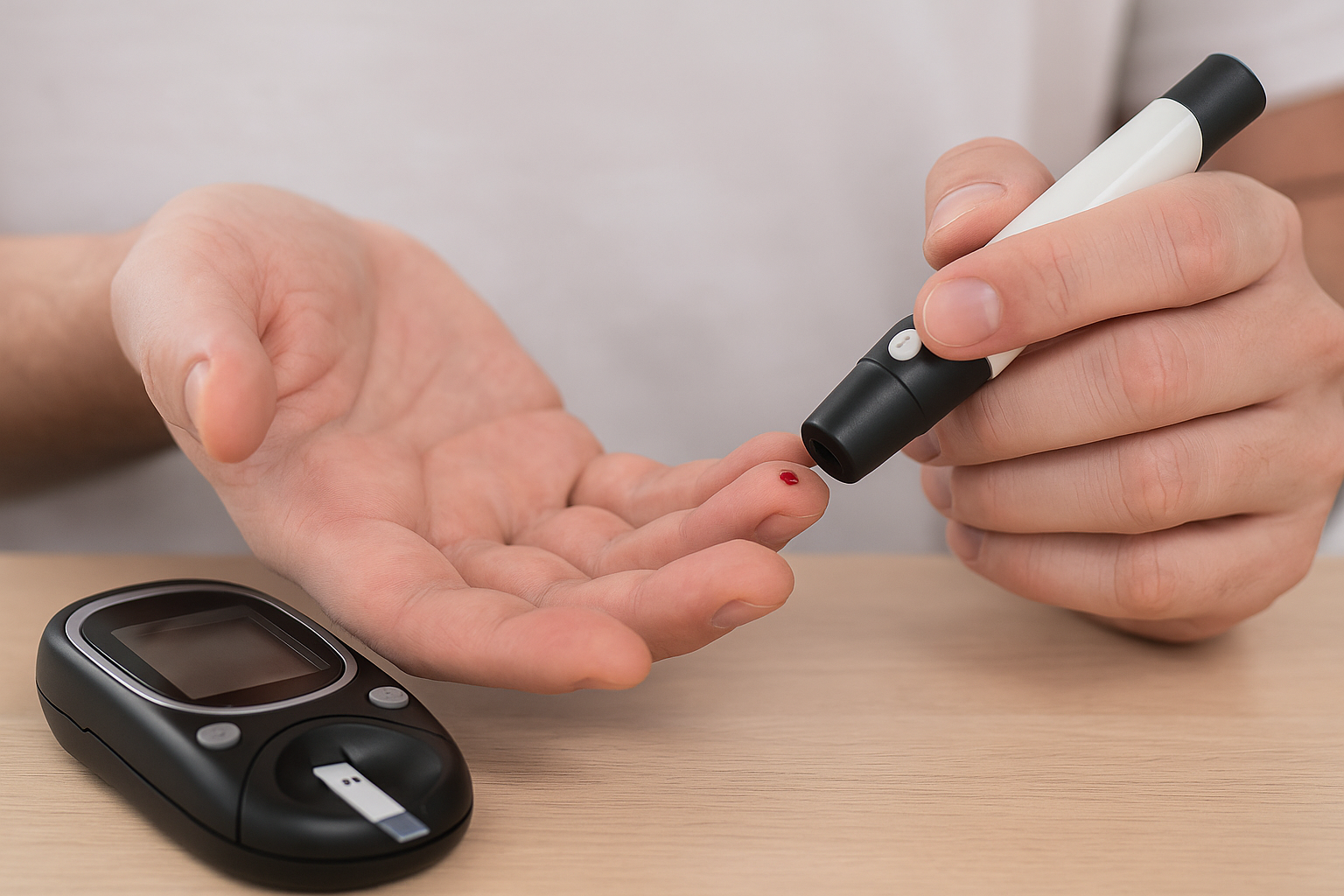
When we talk about blood sugar spikes, we refer to the rapid increase in blood sugar levels after eating. This is a common occurrence in people with diabetes or insulin resistance, but it can also happen to anyone. These spikes might happen silently without noticeable symptoms, yet they can have significant ramifications on health over time, which makes understanding and managing them crucial.
Why Do Blood Sugar Spikes Happen?
Blood sugar spikes occur due to the body's reaction to carbohydrate-rich foods. When such foods are consumed, they are broken down into glucose – a vital energy source. The pancreas responds by releasing insulin, a hormone that helps cells absorb glucose. However, several factors can lead to excessive spikes:
- High Glycemic Index Foods: Foods with a high glycemic index (GI) like white bread, rice, and sugary snacks can cause rapid glucose release, triggering spikes.
- Insulin Resistance: This condition limits the effectiveness of insulin, leading to prolonged elevated glucose levels.
- Stress and Sleep: They can alter hormone levels, impacting glucose metabolism.
- Lack of Physical Activity: Physical activity helps glucose uptake by muscles, reducing spikes.
Are You Missing the Signs?
It's easy to miss the signs of blood sugar spikes because they can be subtle or mistaken for other issues. Here are some signs to be cautious of:
- Fatigue: After a spike, you might feel extremely tired as your body struggles to manage the glucose levels.
- Frequent Urination and Increased Thirst: High glucose levels draw water from tissues, leading to increased thirst and urination.
- Blurred Vision: Excess glucose can cause lens swelling in the eyes, affecting your vision.
- Headache: As glucose levels fluctuate, headaches may arise.
Potential Health Risks of Ignoring Blood Sugar Spikes
Frequent, unmanaged blood sugar spikes can contribute to long-term health complications, including:
- Type 2 Diabetes: Persistent spikes increase the risk of developing type 2 diabetes.
- Cardiovascular Diseases: High glucose levels can damage blood vessels, leading to heart diseases.
- Nerve Damage: Known as neuropathy, nerve damage can occur, especially in limbs.
- Kidney Damage: Prolonged high glucose can impair kidney function.
Preventive Measures and Management
While silent, blood sugar spikes are not inevitable. Here are ways to prevent and manage them effectively:
Dietary Changes
Consider adopting these dietary practices to help control blood sugar levels:
- Focus on Low GI Foods: Opt for whole grains, legumes, and non-starchy vegetables which are absorbed more slowly.
- Regular Meals: Eating smaller, frequent meals can help maintain stable blood sugar levels.
- Sugar Substitutes: Consider using high-quality, natural sugar substitutes to reduce intake of refined sugars.
Physical Activity
Engaging in regular exercise enhances insulin sensitivity and helps your muscles use glucose more effectively. Activities like walking, cycling, or strength training are beneficial.
Monitoring and Medication
Regular monitoring of blood sugar levels is essential. For those who need medication, adhering to prescribed drugs is crucial in keeping glucose levels in check. It's vital to consult a healthcare provider for personalized advice.
Recent Research and Statistics
According to a study published in Diabetes UK, it's revealed that approximately 4.8 million people in the UK were living with diabetes as of 2026. This highlights the importance of awareness and effective management of blood sugar spikes to mitigate this trend.
Another report from CDC indicates that 34 million American adults are at risk of developing type 2 diabetes due to inactive lifestyles, underlining the necessity of integrating lifestyle changes.
Conclusion
Though blood sugar spikes can occur silently, their impact is far from inconsequential. By understanding their causes, recognizing their signs, and adopting preventive measures, you can significantly mitigate the risks associated with elevated blood glucose levels. Proactive health management not only ensures better control of your blood sugar but also enhances overall well-being.