Understanding Bone Density: What Is Considered Normal as You Age
Wondering about normal bone density by age? It's a pivotal factor in maintaining bone health and preventing osteoporosis. You'll discover how bone density changes naturally over time, plus what lifestyle choices can bolster your bone health.
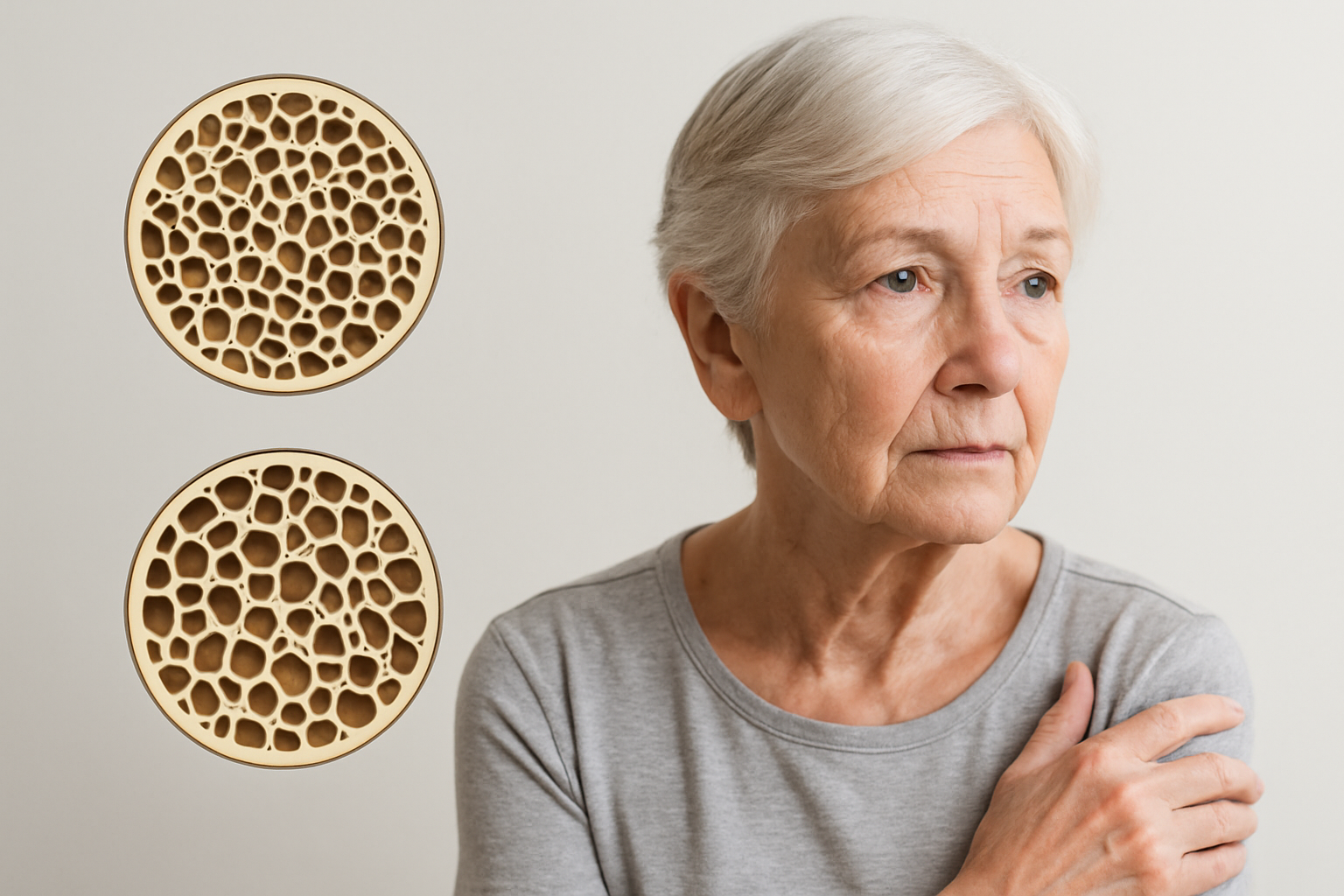
Understanding Bone Density
Bone density refers to the amount of bone mineral in bone tissue and is a significant indicator of bone strength and health. As we age, maintaining bone density becomes increasingly important to prevent conditions like osteoporosis, which can lead to fractures and other complications. To contextualize the idea of 'normal' bone density, it's essential to consider the varying factors influencing it, including age, gender, genetic predisposition, and lifestyle choices.
What Is Normal Bone Density By Age?
The concept of "normal" bone density varies by age and gender. Bone density generally reaches its peak at around 30 years of age, gradually declining thereafter. Here's a simplified view of what you might expect at different life stages:
- Childhood to Young Adulthood (0-30 years): During this period, bones are developing and strengthening. It's crucial to build a robust bone mass during this time, achieved through a balanced diet rich in calcium and vitamin D, alongside regular physical activity.
- Middle Age (30-50 years): Bone density usually stabilizes between these ages, but small decreases might occur. Regular screening can help monitor bone health, and adjustments in lifestyle can ensure the maintenance of bone density.
- Older Age (50+ years): Post-menopausal women and men over 70 are at increased risk of bone density loss. Ensuring adequate nutrition, regular exercise, and medical check-ups becomes crucial to mitigate severe bone loss risks.
Bone density is commonly measured using a DXA scan, which evaluates the mineral content in specific areas such as the hip and spine. Results are compared to a healthy 30-year-old adult, expressed as a T-score.
The T-Score and What It Means
The T-score is pivotal in interpreting bone density results:
- T-score (+1 to -1): Indicates normal bone density. Individuals with scores in this range typically have healthy bones.
- T-score (-1 to -2.5): Suggests low bone mass or osteopenia. While not indicative of osteoporosis, it signals a need for lifestyle modifications to prevent further deterioration.
- T-score (-2.5 and lower): Diagnoses osteoporosis, where bone density is significantly below normal, increasing fracture risk. Such individuals should seek medical consultation for comprehensive management.
Factors Influencing Bone Density
Several factors can affect bone density, making it essential to understand and address each:
Nutrition: Calcium and vitamin D are paramount; they support bone formation and maintenance. Foods like dairy products, leafy greens, and fortified cereals should be staples in one's diet. [National Institutes of Health: Calcium and Vitamin D Fact Sheet](https://ods.od.nih.gov/factsheets/calcium-healthprofessional)
Physical Activity: Weight-bearing exercises such as walking, running, and resistance training bolster bone health by promoting bone growth. Regular activity is linked with higher bone mass peaks in youth and reduced bone loss later in life.
Hormonal Factors: Estrogen and testosterone play significant roles in maintaining bone density. Menopause and conditions causing hormonal imbalances significantly impact women over 50 years.
Genetics: Family history can predict osteoporosis risk, emphasizing the need for early lifestyle interventions in genetically predisposed individuals.
Health Strategies to Enhance Bone Density
Adopting a proactive approach towards bone health can mitigate the effects of aging on bone density. Here are several strategies:
Dietary Adjustments
Incorporating bone-friendly nutrients into your diet is a practical way to support bone health. Beyond calcium and vitamin D, nutrients like magnesium, potassium, and vitamin K can aid bone density. [Harvard Health: Building Bone Health](https://www.health.harvard.edu/staying-healthy/building-bone-health)
Consistent Exercise Routine
Aimed at boosting strength and balance, exercises should be diverse, combining both weight-bearing and resistance activities. Consideration for flexibility and balance workouts, such as yoga and tai chi, can also prevent falls, a precursor to fractures.
Regular Health Check-Ups
Yearly check-ups with your healthcare provider, including bone density tests, can help identify risks early. Analyzing trends in bone density aids in tailoring personal health plans to counteract rapid bone loss effectively.
Research and Advancements in Bone Health
Recent studies in 2026 have highlighted the importance of gut health in bone density. The gut microbiome influences calcium absorption and bone metabolism, a burgeoning area of research offering promising interventions for bone health. [PubMed: The Role of Gut Microbiota in Bone Homeostasis](https://pubmed.ncbi.nlm.nih.gov/)
An emerging area is personalized medicine, where genetic testing predicts osteoporosis risks, enabling preemptive lifestyle changes. This preventative strategy underscores the growing importance of genetics in bone health, inspiring tailored interventions for high-risk groups.
Conclusion
Understanding normal bone density and its variations with age empowers individuals to take proactive steps in maintaining their bone health. With informed lifestyle choices and advanced medical strategies, it's possible to navigate the challenges of bone density loss, ensuring a robust, healthy future. As bone health continues to be a crucial facet of overall well-being, staying updated on research developments is essential for optimized health and longevity.