Understanding Bone Density: What Women Need to Know About Optimal Scores
If you’re trying to understand your bone density test, you’re in the right place for a clear, simple breakdown. A “good” score is determined by your T-score, a number that classifies your bone health into one of three main categories: normal, low bone mass (osteopenia), or osteoporosis.
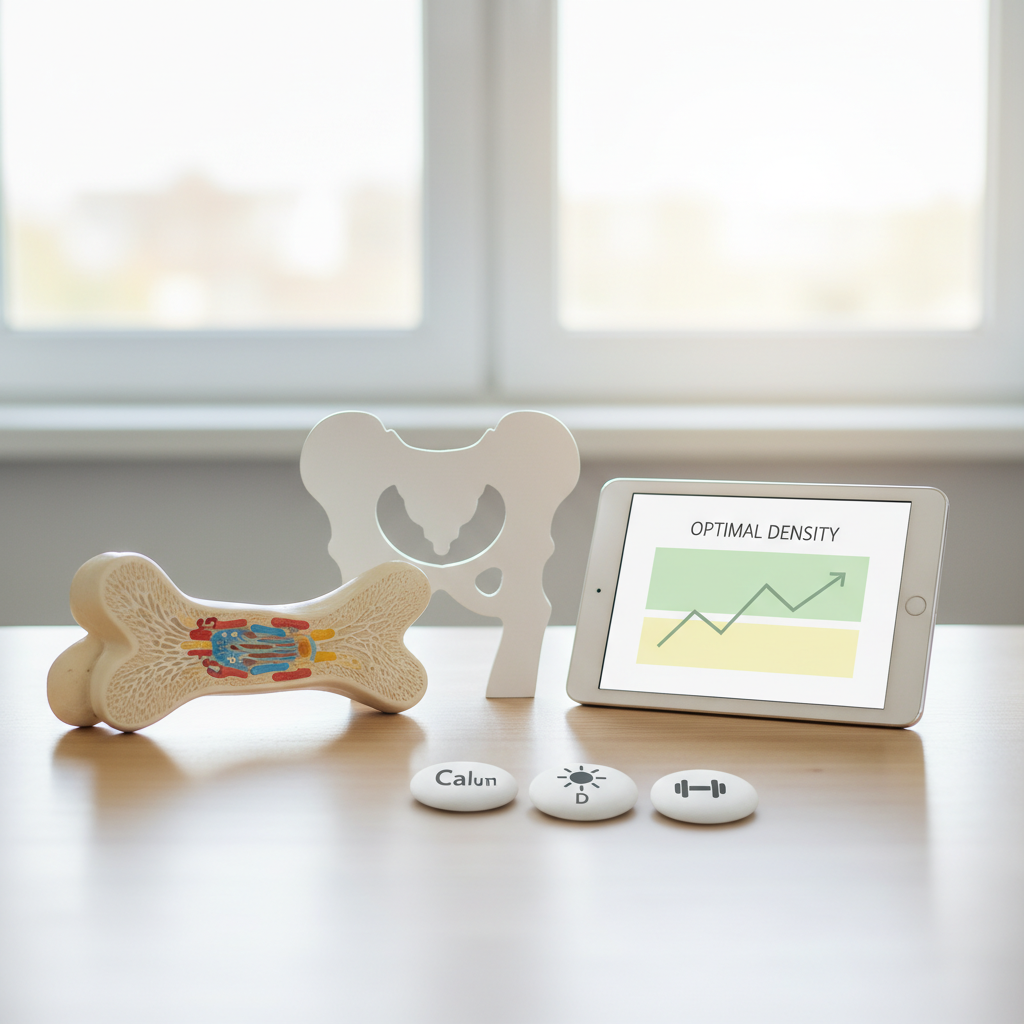
Receiving a bone density score can feel confusing. It’s a report filled with numbers and terms you may not have heard before, like "T-score" and "Z-score." However, understanding this information is a critical step in taking control of your long-term health, especially for women. Bone density tests, often called DXA or DEXA scans, measure the mineral content in your bones to determine their strength and thickness. A lower score can indicate a higher risk for fractures, which can significantly impact your quality of life.
This guide is designed to demystify your bone density results. We will break down what the scores mean, define what is considered a "good" or "normal" score, and explain the different categories of bone health, from normal density to osteoporosis. By understanding your specific numbers, you can have more informed conversations with your doctor and make proactive decisions about your bone health.
What is a T-Score?
When you get your bone density scan results, the most important number you'll likely see is the T-score. This score is the primary measurement used to diagnose osteopenia (low bone mass) or osteoporosis in postmenopausal women and men over 50. But what does it actually represent?
In simple terms, your T-score compares your bone mineral density (BMD) to the optimal peak bone density of a healthy 30-year-old adult of the same sex. A 30-year-old is used as the benchmark because that is typically when bones are at their strongest. The T-score is measured in units called standard deviations (SD). A score of 0 means your bone density is equal to that of a healthy young adult. The numbers then move into positive or negative territory, indicating whether your bones are denser or less dense than this standard.
Breaking Down the T-Score Ranges for Women
The World Health Organization (WHO) has established specific T-score ranges to classify a woman's bone health. Understanding where your score falls within these categories is key to assessing your fracture risk and determining the next steps with your healthcare provider.
Normal Bone Density: T-score of -1.0 or Higher
A T-score of -1.0 or above (such as -0.8, 0, or +1.2) is considered normal and healthy. This is the ideal range and indicates that your bone density is within one standard deviation of a healthy young adult. If your score falls into this category, it means your risk of suffering a low-trauma fracture is relatively low. This is considered a "good" bone density score.
Even with a normal score, it’s important to continue focusing on lifestyle habits that support strong bones. This includes getting enough calcium and vitamin D, participating in regular weight-bearing exercise, and avoiding smoking and excessive alcohol consumption. Your doctor will advise you on when you should have your next bone density scan based on your age and other risk factors.
Low Bone Mass (Osteopenia): T-score Between -1.0 and -2.5
If your T-score is between -1.0 and -2.5 (for example, -1.5 or -2.2), you are diagnosed with low bone mass, a condition known as osteopenia. It's important to understand that osteopenia is not a disease; rather, it's a warning sign. It signifies that your bone density is lower than the optimal level, but not low enough to be classified as osteoporosis. Think of it as a midway point between healthy bones and osteoporosis.
Having osteopenia places you at a higher-than-average risk of developing osteoporosis and fractures in the future. This diagnosis is a crucial opportunity to take proactive steps to prevent further bone loss. Your doctor will likely recommend specific lifestyle changes related to diet and exercise and may monitor your bone density more frequently to track any changes over time.
Osteoporosis: T-score of -2.5 or Lower
A T-score of -2.5 or lower (such as -2.8 or -3.3) leads to a diagnosis of osteoporosis. This Latin term literally means "porous bone." When a woman has osteoporosis, her bones have lost significant density and strength, making them brittle and much more susceptible to fractures. In fact, with osteoporosis, a fracture can occur from a minor fall or even from simple actions like sneezing or bumping into furniture.
This diagnosis is serious and requires a clear action plan developed with your doctor. Treatment often involves a combination of lifestyle adjustments and medication designed to slow bone loss or help build new bone. The primary goal of treating osteoporosis is to prevent painful and debilitating fractures, particularly of the hip, spine, and wrist.
Severe (Established) Osteoporosis
There is a further classification known as severe or established osteoporosis. A woman falls into this category if her T-score is -2.5 or lower and she has already experienced one or more fractures due to fragile bones. This indicates a very high risk for future fractures, and a more aggressive treatment plan is typically required to protect her bones and overall health.
Why Bone Density is Crucial for Women's Health
While bone health is important for everyone, it is a particularly critical issue for women for several biological and physiological reasons. Women typically achieve a lower peak bone mass than men, meaning their bones are inherently smaller and less dense to begin with. This provides less of a "bone bank" to draw from as they age.
The most significant factor, however, is the hormonal change that occurs during menopause. Estrogen plays a vital role in protecting bones and maintaining their density. During and after menopause, estrogen levels drop sharply, leading to a period of rapid bone loss. This is why the risk for osteoporosis increases dramatically for women in their 50s and beyond. Additionally, women tend to live longer than men, giving bone loss more time to occur over their lifespan. These combined factors make women four times more likely than men to develop osteoporosis, highlighting the importance of regular monitoring and proactive care.
Frequently Asked Questions About Bone Density
Understanding your T-score is just the beginning. Many women have follow-up questions about the testing process and what they can do to protect their bones. Here are answers to some of the most common queries.
What is a Z-Score and How is it Different?
While the T-score is the most common metric, your bone density report may also include a Z-score. The key difference lies in the comparison group. A T-score compares your bone density to that of a healthy 30-year-old, whereas a Z-score compares your bone density to the average for a person of your same age, sex, and ethnicity. A Z-score of 0 means your bone density is average for your peer group.
Z-scores are not used to diagnose osteoporosis in postmenopausal women. Instead, they are particularly useful for evaluating premenopausal women, men under 50, and children. If a Z-score is significantly lower than average (typically -2.0 or lower), it may suggest that something other than normal aging is causing bone loss, prompting a doctor to investigate potential underlying medical conditions or medications.
Who Should Get a Bone Density Scan?
General guidelines from organizations like the National Osteoporosis Foundation recommend bone density testing for several groups of women. The most common recommendation is for all women aged 65 and older to get a scan, regardless of their risk factors. Testing is also advised for postmenopausal women under age 65 who have one or more risk factors for osteoporosis.
These risk factors include having a family history of osteoporosis, a personal history of fractures after age 50, smoking, excessive alcohol consumption, long-term use of steroid medications, or having a low body weight. If you've gone through menopause early or have a medical condition associated with bone loss, such as rheumatoid arthritis, your doctor may also recommend earlier or more frequent screening.
Can You Improve Your Bone Density Score?
Yes, it is possible to maintain and even improve your bone density at any age. While medication may be necessary for those with osteoporosis, lifestyle plays a powerful role. The two most important components are nutrition and exercise. Ensure you are getting enough calcium (around 1,200 mg per day for women over 50) and vitamin D, which is crucial for calcium absorption. Good sources of calcium include dairy products, leafy greens, and fortified foods.
Exercise is equally vital. Weight-bearing and resistance exercises are best for stimulating bone growth. Weight-bearing activities include walking, jogging, dancing, and stair climbing—anything that puts gentle stress on your bones. Resistance exercises, like lifting weights or using resistance bands, help strengthen both muscles and bones. By adopting these habits, you can actively work to slow bone loss and reduce your risk of fractures.
Key Takeaways
Understanding your bone density score is empowering. A T-score of -1.0 or higher is considered normal and is the goal for optimal bone health. A score between -1.0 and -2.5 indicates osteopenia, a warning sign to take proactive measures. A score of -2.5 or lower results in a diagnosis of osteoporosis, which requires medical management to prevent fractures. By knowing your numbers and discussing them with your healthcare provider, you can create a personalized plan to protect your bones for a healthy, active future.