Understanding Collision Coverage in State Farm RV Insurance
Wondering if State Farm RV Insurance covers collision damage? Explore the details in our latest article on RV coverage options. We delve into how State Farm RV Insurance may handle collision damage claims and what factors could affect your coverage.
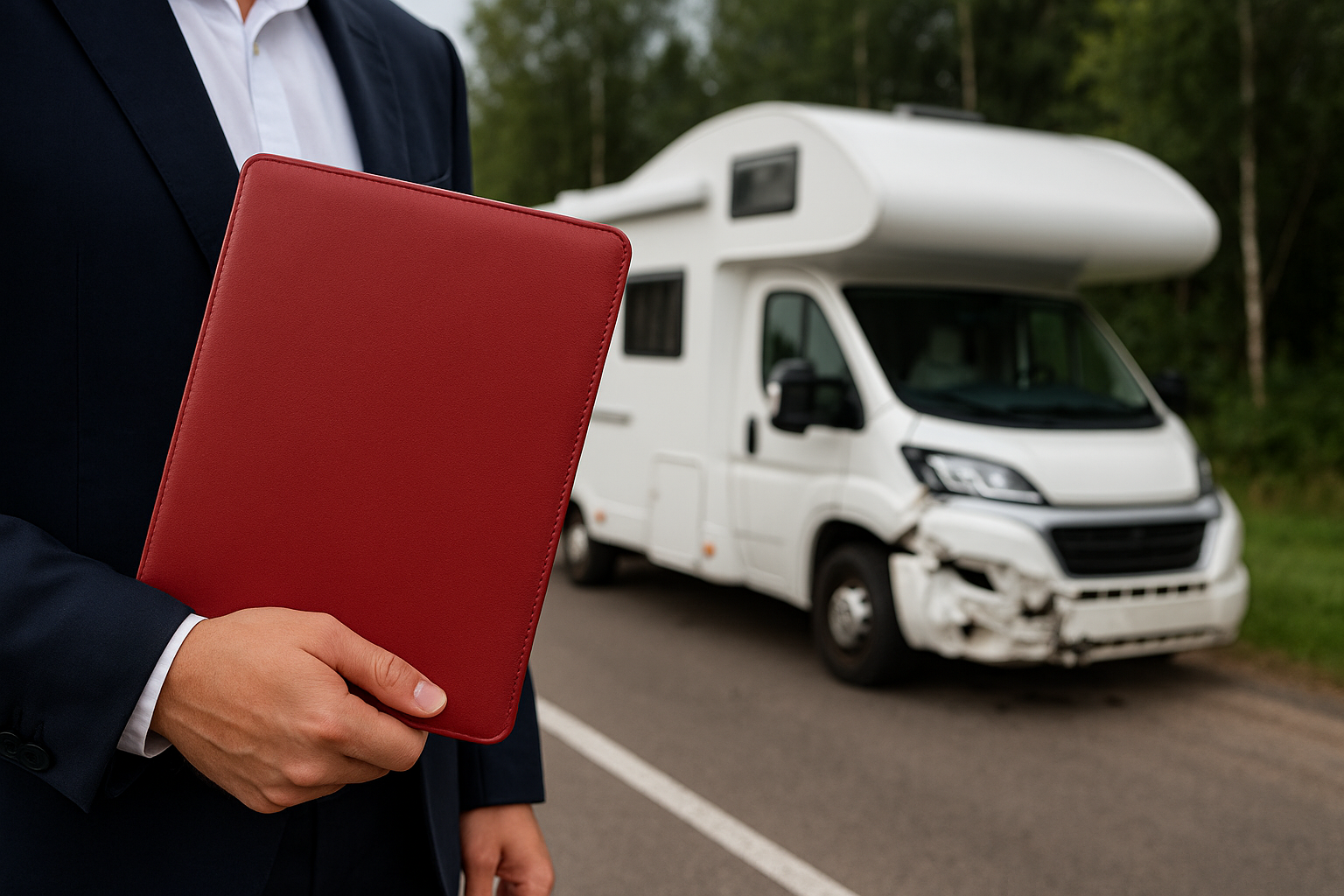
Understanding State Farm RV Insurance and Collision Damage Coverage
When planning your next road trip in your recreational vehicle (RV), understanding your insurance policy is crucial. State Farm, an established provider in the insurance industry, offers options for RV insurance that many policyholders might find beneficial. One of the most critical aspects to comprehend is whether your policy includes collision damage coverage. Here, we'll delve into this topic, answer common questions, and provide insights that might help you make informed decisions.
What Does State Farm RV Insurance Typically Cover?
State Farm RV insurance is designed to protect RV owners from a wide range of potential damages and liabilities. Here's a general overview of what is usually included:
- Comprehensive Coverage: This protects against non-collision-related damages such as theft, fire, vandalism, or natural disasters.
- Collision Coverage: This covers the cost of repairing or replacing your RV if it's damaged in an accident, regardless of who is at fault.
- Liability Coverage: Especially important in case you cause an accident that results in injury or property damage to others.
- Personal Injury Protection: Helps cover medical costs if you or your passengers are injured in an accident.
- Uninsured/Underinsured Motorist Coverage: Protects you if you're involved in an accident with a driver who has insufficient insurance.
Does State Farm RV Insurance Cover Collision Damage?
Yes, State Farm's RV insurance typically includes collision damage as part of their coverage offerings. This protection is essential for accidents where your RV might be involved, regardless of fault. When considering this type of coverage, it's crucial to understand the scope, limitations, and conditions that apply.
It is always advisable to confirm specific coverage details with your insurance agent, as policy terms might vary based on location, type of RV, and other factors. According to recent data from the Insurance Information Institute (2026), collision claims make up a significant portion of automotive-related insurance payouts, highlighting the importance of having robust collision coverage.
Why Is Collision Coverage Important for RV Owners?
RVs represent a significant financial investment. Collision coverage plays a crucial role in protecting that investment by covering damages that result from collisions with other vehicles or objects, such as trees or fences. Here are a few reasons highlighting its importance:
- Financial Protection: Repairs for RVs can be expensive, often amounting to thousands of dollars. Collision coverage helps mitigate these costs, ensuring you aren't financially crippled after an accident.
- Peace of Mind: Knowing that you're covered in the event of an accident allows you to enjoy your travels without constant worry.
- Flexibility: Some policies even offer services like towing and labor, which can be a lifesaver if your RV is immobile after an accident.
How to Determine if You Need Collision Coverage?
Determining whether you need collision coverage for your RV depends on several factors. Consider the following when making your decision:
- Value of Your RV: If your RV is older and has depreciated significantly in value, you might weigh the cost of premiums against the potential payout.
- Usage Frequency: If you use your RV frequently, especially in high-traffic areas, collision coverage could be highly beneficial.
- Financial Stability: Consider how you would handle a significant repair cost or replacement without insurance. If it poses a burden, maintaining collision coverage might be wise.
Real-World Example
Consider a recent case where an RV owner, Sarah, traveling through the Rocky Mountains, clipped a guardrail while navigating a tight turn. The damage to her RV required extensive bodywork. Thanks to her collision coverage with State Farm, the repair costs were covered minus her deductible, allowing her to continue her journey with minimal financial strain.
How to Apply for or Update Your State Farm RV Insurance
Obtaining or updating State Farm RV insurance to include collision damage is straightforward. Here’s how you can ensure your policy is up-to-date:
- Contact Your Agent: Speak with your insurance representative to discuss your current policy and explore options to include or update your collision coverage.
- Review and Compare Plans: Take the time to review your current policy and compare it with alternative plans that offer comprehensive protection. Websites like Forbes (2026) [source] provide valuable insights into policy comparisons.
- Evaluate Discounts: Ask about any available discounts, such as bundling your RV insurance with other policies or maintaining a clean driving record, which could reduce your premium.
Conclusion
Understanding whether State Farm RV insurance covers collision damage is key to ensuring your traveling adventures are safeguarded against unexpected challenges. While it's tempting to cut costs by minimizing insurance coverage, the benefits of comprehensive collision protection can outweigh the risks. Evaluate your needs, consult with professionals, and stay informed about the insurance options available to you.
https://www.statefarm.com/insurance/motorhomes
https://www.statefarm.com/insurance/travel-trailers
https://www.statefarm.com/insurance/quotes