Understanding Colorectal Cancer: The Importance of Early Detection and Screening
Early detection of colorectal cancer can significantly improve outcomes, but it's essential to understand the subtle warning signs. This article explores the nuances of colorectal cancer, shedding light on the latest research and screening techniques.
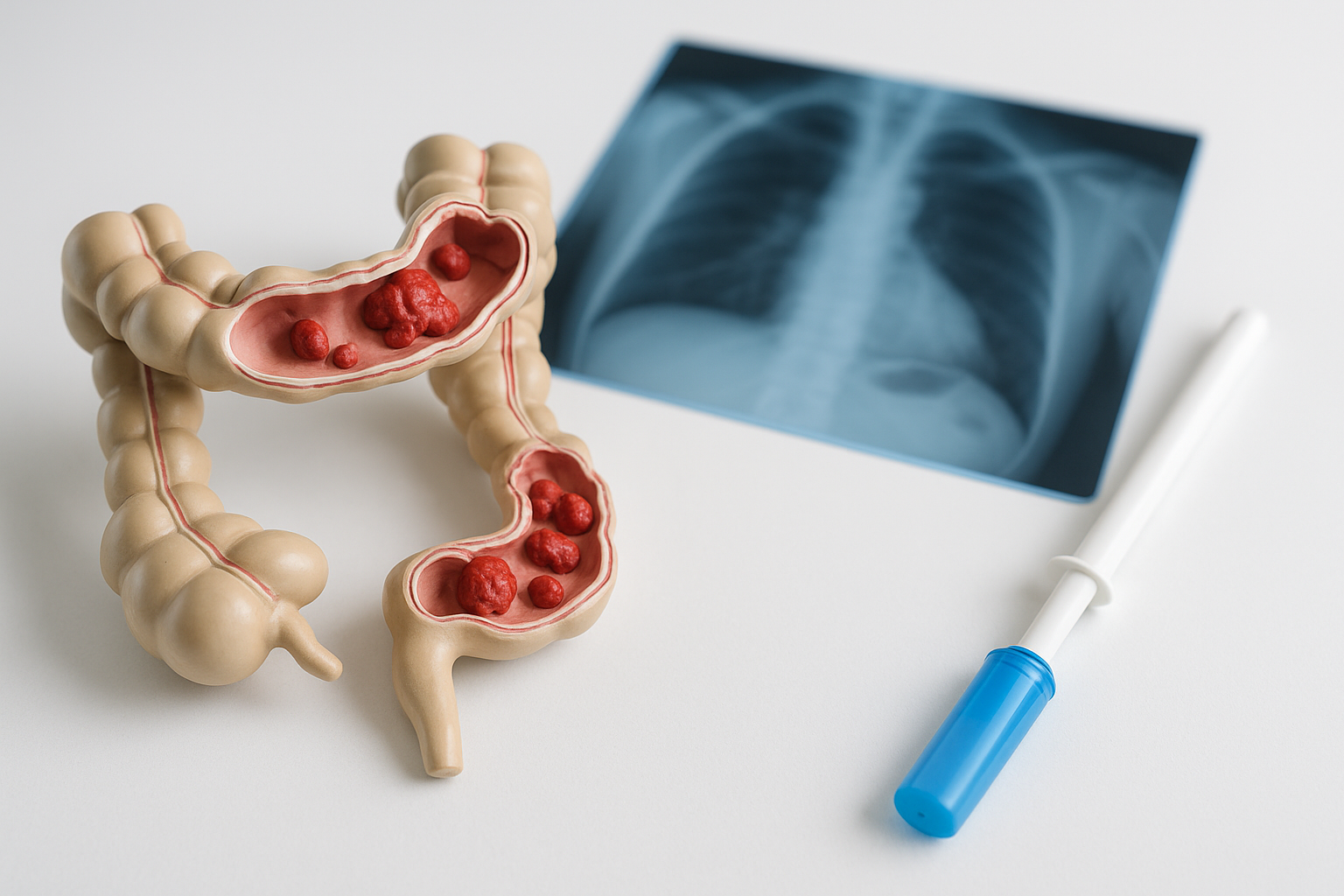
Understanding Colorectal Cancer: What You Need to Know
Colorectal cancer, a term that encompasses both colon and rectal cancers, is a significant concern in today's society. This disease originates in the colon or rectum and is one of the leading causes of cancer-related deaths worldwide. However, with early detection and proper treatment, the survival rate increases significantly. This article delves into what colorectal cancer is, its risk factors, and the importance of early detection.
What is Colorectal Cancer?
Colorectal cancer occurs when abnormal cells grow uncontrollably in the colon or rectum, parts of the digestive tract. Most colorectal cancers begin as a growth on the inner lining of the colon or rectum, called a polyp. Over time, some types of polyps can transform into cancer. Identifying and removing these precancerous polyps can prevent cancer development.
Who is at Risk for Colorectal Cancer?
Understanding risk factors helps in identifying individuals more susceptible to colorectal cancer, aiding in preventive measures.
Common Risk Factors
- Age: Colorectal cancer is more common in people over 50, but younger individuals can be affected too.
- Family history: If you have close relatives who have experienced colorectal cancer, your risk is higher.
- Personal history: Those with a history of polyps or inflammatory bowel disease (like ulcerative colitis or Crohn's disease) might have an elevated risk.
- Lifestyle factors: Diets high in red and processed meats, lack of physical activity, obesity, smoking, and heavy alcohol use are linked to increased risk.
Recognizing the Symptoms
Early stages of colorectal cancer may not show symptoms, highlighting the importance of regular screenings. However, when symptoms occur, they may include:
- Changes in bowel habits, such as diarrhea or constipation
- Rectal bleeding or blood in the stool
- Persistent abdominal discomfort, such as cramps or pain
- Weakness, fatigue, or unexplained weight loss
The Importance of Early Detection
Early detection of colorectal cancer is crucial because it often leads to effective treatment and enhanced survival rates. Screening tests can find precancerous polyps so they can be removed before turning into cancer. Tests can also detect cancer early when treatment is most effective.
Screening Methods
The most common screening methods include:
- Colonoscopy: This is the most comprehensive screening, allowing doctors to view the inside of the entire colon and rectum.
- Fecal Immunochemical Test (FIT): A non-invasive test that detects hidden blood in the stool.
- Stool DNA test: Known as Cologuard, tests for specific DNA mutations associated with colorectal cancer.
- CT Colonography: Also known as a virtual colonoscopy, uses CT scans to produce images of the colon and rectum.
Current Trends and Statistics
According to recent data, new cases of colorectal cancer have seen a shift towards younger populations. The American Cancer Society reports an increase in cases among adults under 50. Awareness and timely screenings are vital for reversing this trend.
Advancements in Treatment
Medical research is continually evolving, offering new treatment methods for colorectal cancer. Treatments such as immunotherapy, targeted drug therapy, and advancements in surgical techniques show promise. As of 2026, National Cancer Institute highlights ongoing clinical trials that explore innovative approaches, aiming for more personalized and effective treatment plans.
Prevention Strategies
Adopting a healthy lifestyle can significantly reduce the risk of colorectal cancer. Here are some practical prevention strategies:
- Incorporate more fruits, vegetables, and whole grains into your diet.
- Exercise regularly to maintain a healthy weight.
- Avoid smoking and limit alcohol consumption.
- Participate in routine screenings if you are over 45 or have a family history of colorectal cancer.
Conclusion
Colorectal cancer remains a critical public health issue that requires awareness and proactive management. Early detection through screening, understanding risk factors, and maintaining a healthy lifestyle can significantly lower the risk of developing this disease. Staying informed and prioritizing regular health checks are your best defenses against colorectal cancer.