Understanding Copay Assistance Programs for Medicare Patients in the USA
Discover how copay assistance programs for Medicare patients in the USA can offer valuable support. These programs may help lower out-of-pocket expenses for eligible individuals, providing some relief on medical costs.
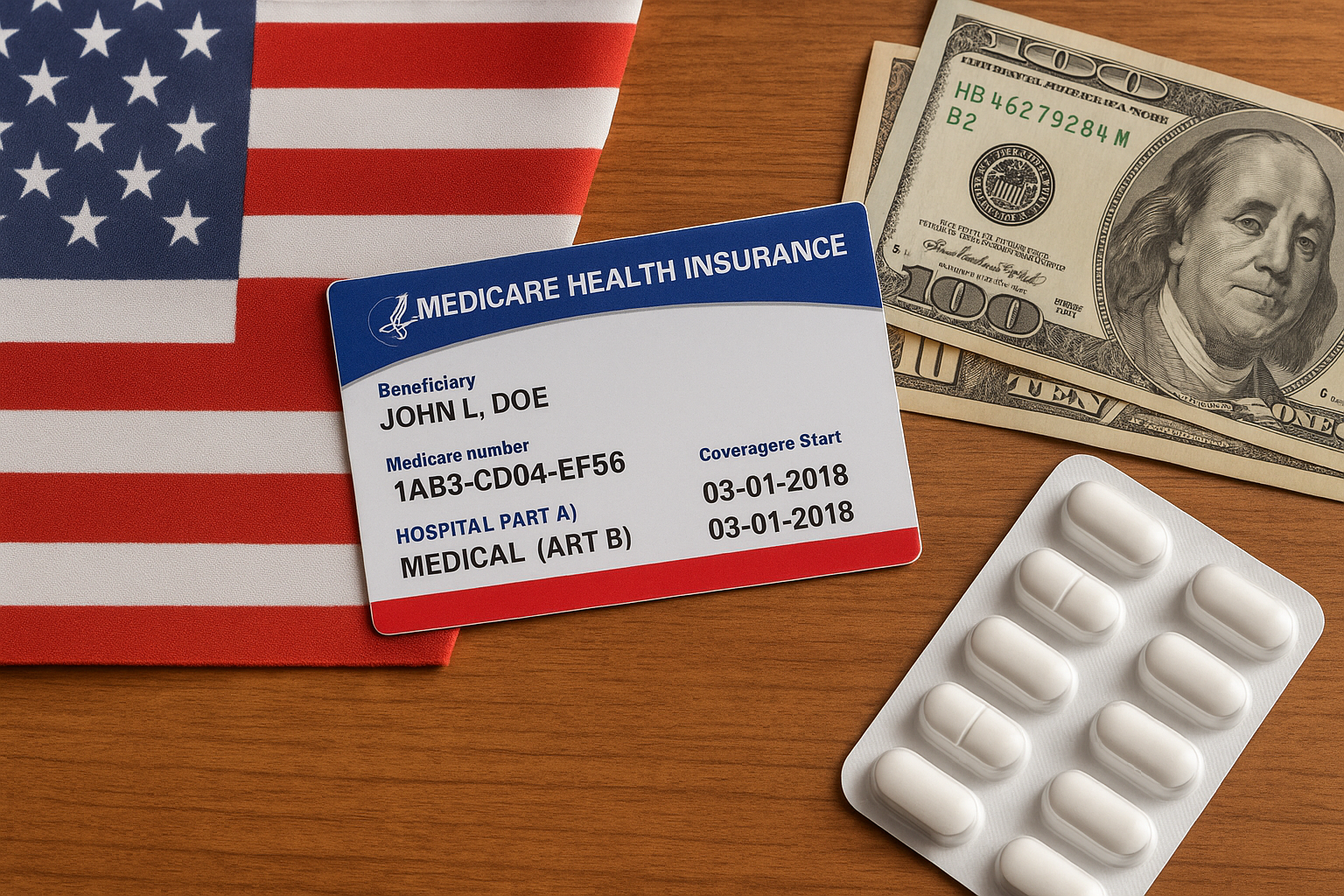
Understanding Copay Assistance Programs
For Medicare patients in the USA, healthcare costs can quickly add up, even with insurance coverage. Copay assistance programs are designed to help alleviate some of the financial burdens associated with medication expenses. But what exactly are these programs, and how do they benefit Medicare patients?
What Are Copay Assistance Programs?
Copay assistance programs are financial support mechanisms usually offered by pharmaceutical companies, nonprofit organizations, or government agencies. These programs help cover the out-of-pocket costs that patients must pay for their medications, which can include copayments, deductibles, and other related expenses.
How Do Copay Assistance Programs Work?
Typically, once a patient is enrolled in a copay assistance program, the program provides financial support to cover a portion or all of the copayment required by the insurance policy. Depending on the program, patients might receive a card or voucher that they present at the pharmacy to receive the discount immediately.
Eligibility for Copay Assistance
Not all Medicare patients qualify for copay assistance. Eligibility often depends on several factors, including insurance type, income level, and the specific medication. For instance:
- Some programs are exclusive to those without any prescription drug coverage or those with high deductibles.
- Others may require income verification to ensure the assistance reaches those who need it most.
- Certain medications may have specific programs tailored to provide copay assistance.
Why Copay Assistance Programs Are Important for Medicare Patients
Medicare patients, particularly those on fixed incomes, face significant challenges in managing their healthcare expenses. Aggressive prescription drug pricing can make it difficult to afford necessary medications.
Alleviating Financial Burden
Copay assistance can significantly reduce a patient’s out-of-pocket costs, making essential medications more affordable and accessible. This financial relief is crucial for patients who need regular medications for chronic conditions to maintain their quality of life.
Improving Medication Adherence
Studies have shown that financial constraints lead many Medicare patients to skip doses or abandon prescribed medications altogether. Copay assistance programs help improve medication adherence by reducing the financial pressure on patients, ensuring they can consistently take their medications as prescribed. According to a 2026 study published in the Journal of Healthcare Research, medication adherence improved by 25% among participants using copay assistance programs.
How to Access Copay Assistance Programs
For those interested in pursuing copay assistance, there are several steps to consider:
Contact Your Healthcare Provider
Start by consulting with your healthcare provider or pharmacist. They can often provide information about available copay assistance programs for the medications you're taking.
Explore Online Resources
Many copay assistance programs can be found online. Websites like NeedyMeds and RxAssist offer comprehensive databases of assistance programs and eligibility criteria. Additionally, visiting the pharmaceutical company’s website for a specific drug can yield information about available assistance initiatives.
Application Process
The application process typically involves filling out a form, providing proof of income or insurance details, and submitting relevant documents. While it might seem daunting, many organizations offer support to help you through the application process.
Challenges and Considerations
While copay assistance programs offer significant benefits, there are challenges and considerations to keep in mind:
Funding Limitations
Programs often have limited funding, which means they can run out of resources or may only be available for certain periods. It is essential for patients to apply early and stay informed about the availability of assistance.
Changes in Eligibility
Due to changing regulations or funding criteria, the terms of copay assistance programs can evolve. Patients should regularly review their eligibility status and stay in touch with program administrators for updates.
Alternative Solutions
If copay assistance programs are not an option, patients can explore other avenues such as generic medications, state-specific assistance programs, or seeking financial advice from healthcare social workers.
Conclusion
Copay assistance programs play a vital role in enabling Medicare patients in the USA to access and afford necessary medications. By understanding these programs, exploring eligibility, and applying for assistance, patients can significantly reduce their healthcare-related financial stress. As the healthcare landscape continues to evolve, staying informed and proactive about available resources is paramount.