Understanding COPD Oxygen Levels for Seniors: What Your Numbers Mean
Understanding COPD oxygen levels over 65 is crucial for managing respiratory health effectively. This comprehensive chart offers insights into safe oxygen saturation levels, helping patients and caregivers make informed decisions.
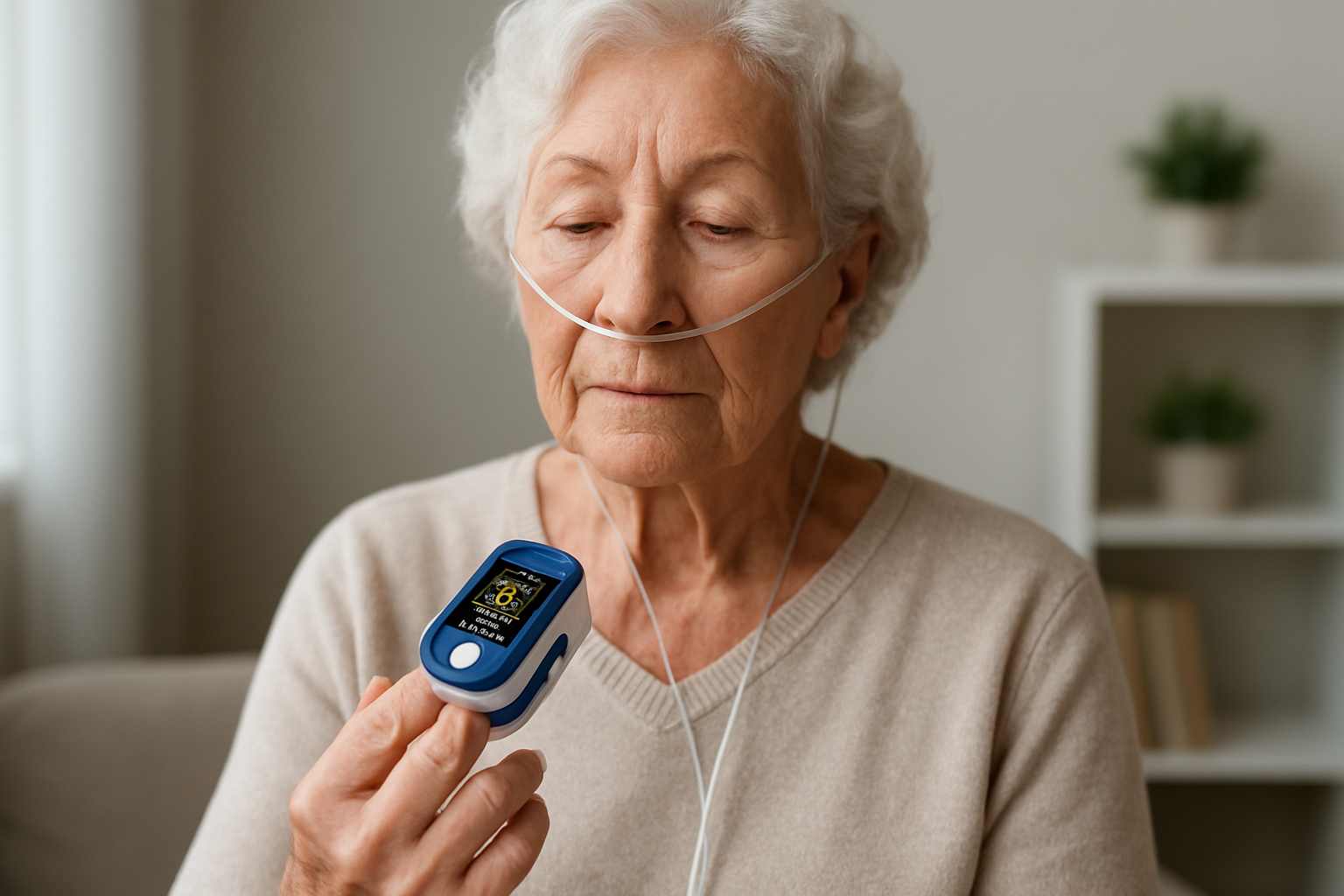
Understanding COPD and Oxygen Levels
Chronic Obstructive Pulmonary Disease (COPD) is a progressive lung disease characterized by increasing breathlessness. It includes emphysema, chronic bronchitis, and, in some cases, asthma. One critical aspect of managing COPD involves monitoring oxygen levels, especially in individuals over the age of 65, as this can significantly impact their health and quality of life.
What is an Oxygen Level Chart?
An oxygen level chart is a tool used to determine the oxygen saturation in the blood. For COPD patients, maintaining a correct level of oxygen is crucial since low oxygen levels can result in various health complications. The oxygen level is measured using a device called a pulse oximeter, which provides a percentage indicating the amount of oxygen in the blood.
Normal Oxygen Levels and Their Significance
In healthy individuals, a typical oxygen saturation level ranges between 95% to 100%. However, individuals with COPD may have different baselines. For those over 65, maintaining an oxygen level that is specific to their condition, generally not below 88%, is particularly significant due to the reduced respiratory function and other age-related factors.
- 95%-100%: Normal range for healthy adults without COPD.
- 88%-92%: Generally acceptable range for those with moderate to severe COPD.
- Below 88%: Typically requires medical attention and might necessitate supplemental oxygen therapy.
Factors Affecting Oxygen Levels in Seniors with COPD
Several factors affect oxygen levels in those over 65 living with COPD. Recognizing these factors can aid in better management of the condition.
Age-Related Changes
As individuals age, the lungs lose some of their elasticity, and the chest wall becomes more rigid. These changes make breathing less efficient and can lower oxygen levels. For those with COPD, these age-related changes can exacerbate their symptoms and decrease their oxygen saturation.
Physical Activity
Physical activity can both positively and negatively impact oxygen levels. Moderate exercise is encouraged for COPD patients as it helps improve cardiovascular fitness and oxygen efficiency. However, overexertion without proper guidance can lead to dangerously low oxygen levels.
Environmental Influences
Environmental factors like pollution, high altitude, and seasonal changes can affect oxygen levels in those over 65 with COPD. It's vital for patients to be aware of their surroundings and understand how different environments can influence their breathing.
The Role of Supplemental Oxygen
Supplemental oxygen therapy is often used to help maintain adequate oxygen levels in COPD patients. It's a prescribed treatment that delivers oxygen directly to the lungs via a nasal cannula or mask. Studies have shown that regular use of supplemental oxygen can improve survival rates and quality of life for COPD patients.
When is Supplemental Oxygen Needed?
Supplemental oxygen is typically prescribed when oxygen saturation consistently falls below 88%. It is essential for those whose levels drop significantly during physical activity or while sleeping. Consulting with healthcare professionals for proper titration and usage is critical.
Benefits and Precautions
Use of supplemental oxygen can reduce symptoms such as shortness of breath and fatigue, and it maximizes the individual's ability to exercise and perform daily activities. However, it should be used judiciously, as improper use can lead to complications like oxygen toxicity.
Managing COPD and Improving Quality of Life
Improving quality of life for those over 65 with COPD requires a holistic approach. This involves regular monitoring of oxygen levels, medication adherence, lifestyle modifications, and consistent consultation with healthcare providers.
Lifestyle Modifications
Lifestyle changes, such as quitting smoking, following an anti-inflammatory diet, and engaging in pulmonary rehabilitation, can effectively manage COPD symptoms. Comprehensive management includes education about respiratory techniques and energy conservation.
Importance of Regular Monitoring
Regular monitoring of oxygen levels and symptoms by healthcare providers is crucial. This helps ensure that any changes in health status are promptly addressed, reducing the risk of exacerbations and complications.
Conclusion
Understanding and managing oxygen levels is a central component of COPD care, especially in individuals over 65. Based on recent research, maintaining targeted oxygen saturation levels can significantly alleviate symptoms and improve day-to-day functionalities. For further details or specific guidance, consulting with pulmonary specialists is advised.
For more information, you may visit some of these reputable sources: