Understanding Credit Score Requirements for a HELOC in Canada
Curious about what is considered a good credit score for a HELOC in Canada? Explore our insightful guide to understand the key ranges and factors that lenders typically consider when assessing eligibility.
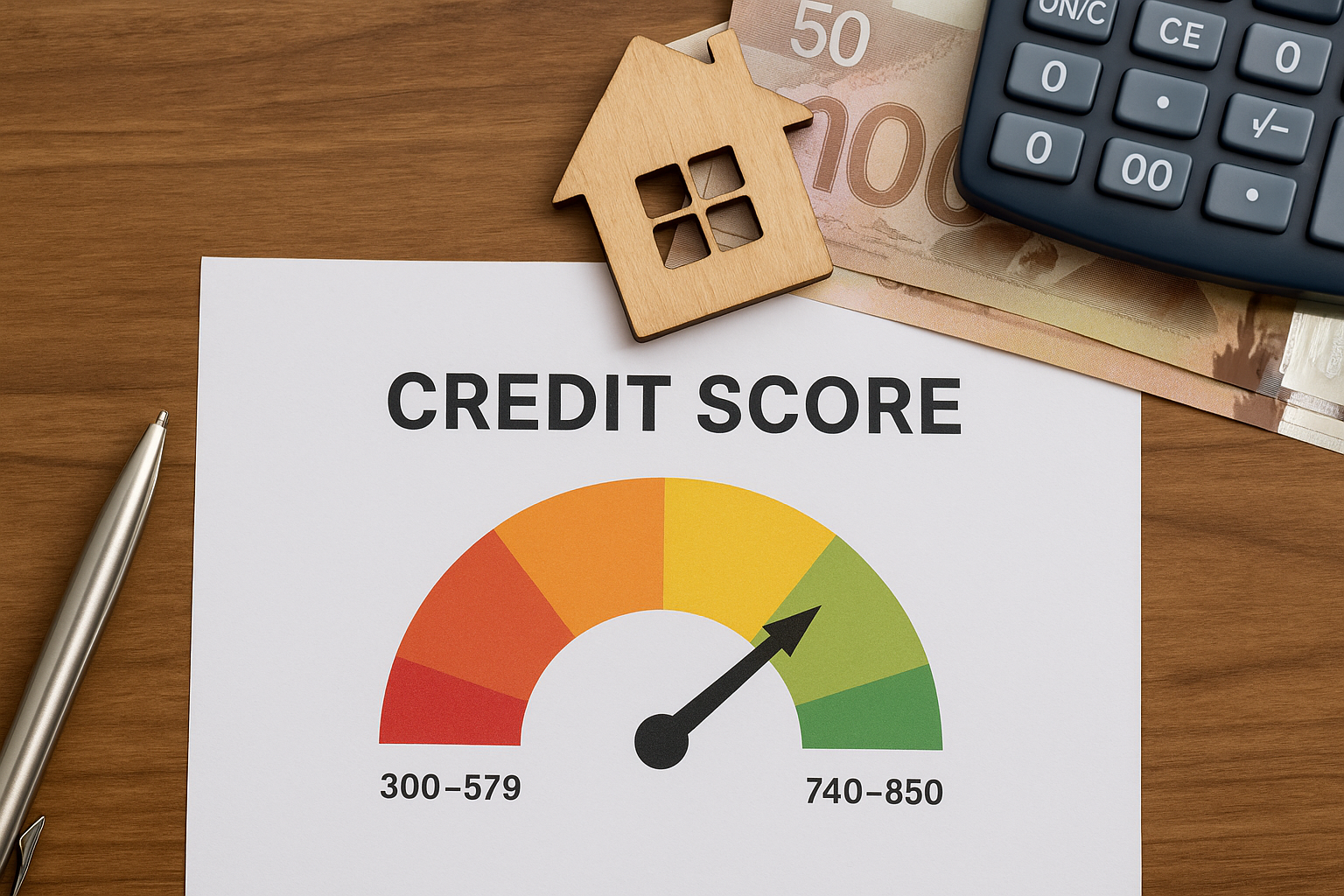
Understanding Credit Scores and HELOCs
A Home Equity Line of Credit (HELOC) is a popular financial product in Canada that allows homeowners to borrow against the equity of their homes. Credit scores are a significant factor in determining eligibility for a HELOC. But what exactly constitutes a good credit score for obtaining a HELOC in Canada? Let's explore.
What is a Credit Score?
Your credit score is a numerical representation of your creditworthiness, typically ranging from 300 to 900 in Canada. It is calculated based on your credit history, including your borrowing and repayment activities. Lenders use credit scores to gauge the risk of lending to you.
The major credit bureaus in Canada, Equifax and TransUnion, are responsible for calculating these scores using various metrics such as payment history, the amount owed, length of credit history, types of credit in use, and new credit inquiries.
What is a HELOC?
A HELOC is essentially a revolving line of credit secured by the equity in your home. It differs from a traditional home loan because it allows you to withdraw funds as needed, making it a flexible option for expenses like home renovations, education, or even as an emergency fund.
Why is Credit Score Important for a HELOC?
When you apply for a HELOC, lenders use your credit score to determine the interest rate you'll receive. A higher credit score typically means a better interest rate. This rating helps lenders decide if you're financially reliable and capable of repaying the debt.
What is a Good Credit Score for a HELOC in Canada?
Although the exact credit score requirements can vary by lender, here's a general idea of what you can expect:
- Excellent (800 - 900): You are likely to receive the best terms and interest rates available.
- Very Good (740 - 799): Your terms and interest rates will also be favorable, though slightly less competitive than the excellent range.
- Good (670 - 739): You should qualify for most HELOCs with competitive rates.
- Fair (580 - 669): You might qualify for a HELOC, but interest rates could be higher, and terms might be less advantageous.
- Poor (300 - 579): Qualifying for a HELOC will be challenging, with unfavorable loan terms if approved.
For a comprehensive overview of credit scores in relation to HELOCs, it might be helpful to look into resources such as the Financial Consumer Agency of Canada (FCAC).
Improving Your Credit Score
If your score is below what lenders typically look for, here are some strategies to improve it:
Pay Your Bills on Time
Payment history is the most significant factor affecting your credit score. Ensure all bills, from credit cards to utilities, are paid by their due dates.
Reduce Outstanding Debt
High levels of outstanding debt can impact your score, especially if nearing your credit limit. Work towards paying down debts effectively.
Avoid New Hard Inquiries
When applying for credit, these hard inquiries can temporarily lower your score. Be prudent in new credit applications, particularly when preparing for a HELOC application.
Check Your Credit Report
Review your credit report from both Equifax and TransUnion to ensure accuracy. If you spot errors, report them immediately to avoid any adverse effects on your credit score.
For actionable advice on improving your credit score, the Government of Canada's website on personal financing offers many resources.
Securing a HELOC with a Good Credit Score
Once you've ensured your credit score is in a good range, here are some steps to securing a HELOC with favorable terms:
- Research Lenders: Different lenders may offer varying terms. Shop around to find the best fit for your needs.
- Prepare Your Documents: Gather necessary documents such as proof of income, recent mortgage statements, and property valuation.
- Consider Other Factors: Lenders may also consider your employment history, income level, and existing debt.
For the latest statistics on the Canadian mortgage market and HELOC trends, refer to recent studies and reports from the Canadian Real Estate Association (CREA).
Conclusion
Your credit score plays a pivotal role in determining the terms and availability of a HELOC in Canada. By understanding credit scores and taking steps to improve yours if needed, you can position yourself for better interest rates and terms. Remember, the key to a successful HELOC application is preparation—know your score, enhance it if possible, and approach your application strategically.
Reference Links
https://www.canada.ca/en/financial-consumer-agency/services/mortgages/home-equity-line-credit.html
https://www.canada.ca/en/financial-consumer-agency/services/loans/loans-lines-credit.html
https://www.ratehub.ca/home-equity-line-of-credit
https://www.ratehub.ca/best-mortgage-rates/heloc
https://www.nerdwallet.com/ca/p/article/mortgages/home-equity-heres-how-and-when-to-tap-it
https://www.koho.ca/learn/how-to-get-a-heloc-with-bad-credit/
https://borrowell.com/blog/what-credit-score-is-needed-for-a-line-of-credit
https://www.360lending.ca/blog/requirements-to-qualify-for-a-heloc-in-ontario
https://www.360lending.ca/blog/can-you-get-a-heloc-with-bad-credit-ontario