Understanding Credit Score Requirements for a HELOC
Unlock the potential of your home with a HELOC, but wonder what credit score is required for a HELOC approval? Understanding the credit score needed can help you prepare and assess your likelihood of qualifying.
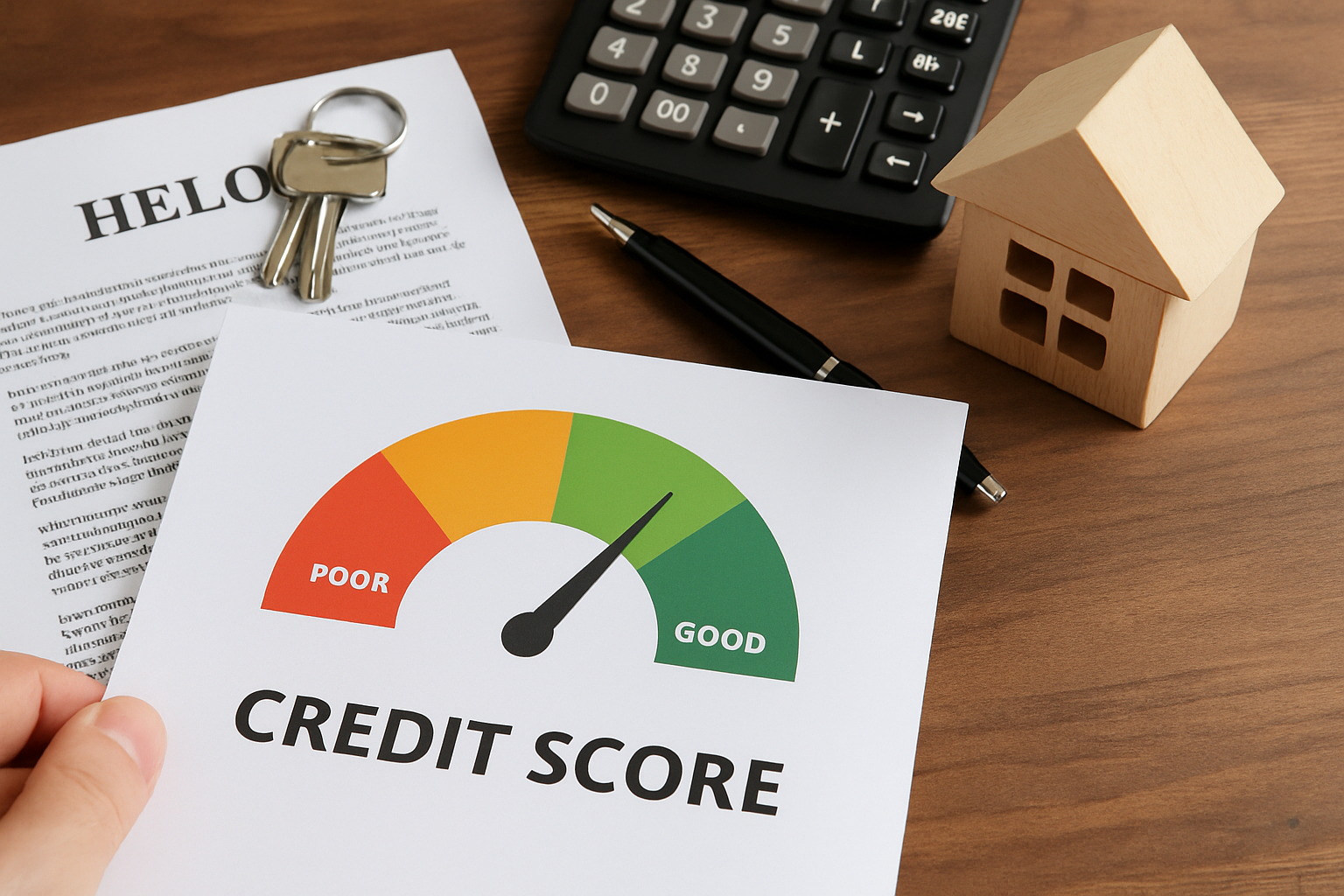
Understanding HELOC Credit Score Requirements
If you're considering a Home Equity Line of Credit (HELOC), one question on your mind is "What credit score is required for a HELOC?" Understanding this is vital because a HELOC is a revolving line of credit secured by your home. Knowing the credit score requirements helps you determine your eligibility, understand your borrowing potential, and potentially improve your financial strategy.
What is a HELOC?
A HELOC is a type of home loan that allows you to borrow against the equity you've built in your home. Unlike a standard home equity loan, which provides a lump sum, a HELOC offers a revolving credit line that you can draw from, pay back, and draw from again, up to your credit line limit. These loans are similar to credit cards in terms of flexibility but are backed by the equity in your home, which can have implications for interest rates and credit scores.
Credit Score Requirements for HELOCs
In 2026, most lenders require a minimum credit score of around 620 to qualify for a HELOC. However, this requirement can vary significantly depending on the lender, the amount of equity in your home, and other financial factors. It is important to recognize that having a higher credit score could offer benefits such as lower interest rates and more favorable terms.
Breaking Down the Credit Score Tiers
- Excellent (740+): This score typically qualifies you for the best rates and terms available. Lenders see you as a low-risk borrower.
- Good (670-739): Borrowers with scores in this range may also receive favorable loan conditions but might not access the most competitive rates.
- Fair (580-669): With a fair credit score, you might still secure a HELOC, but expect higher interest rates and less favorable terms.
- Poor (579 and below): Securing a HELOC with poor credit can be challenging. If possible, financial experts often recommend working to improve your credit score before applying.
Consider that factors such as income, outstanding debts, and the loan-to-value (LTV) ratio also play determining roles in approval processes. Banks may offer exceptions if you have a strong overall financial profile.
Improving Your Credit Score for HELOC Qualification
Before applying for a HELOC, examine your credit report to identify areas of improvement. Here are some steps to potentially boost your score:
- Pay Bills on Time: Payment history is one of the most significant factors affecting your credit score. Set up reminders or automations to ensure timely payments.
- Reduce Credit Card Balances: Aim to keep credit utilization below 30% of your total available credit.
- Avoid New Hard Inquiries: Each hard inquiry can slightly lower your score. Avoid applying for new credit lines leading up to your HELOC application.
- Check for Errors: Regularly review your credit report for inaccuracies that might be negatively impacting your score and dispute them if necessary.
Other Considerations for HELOC Approval
Aside from credit scores, lenders consider several other factors before approving a HELOC:
- Loan-to-Value Ratio (LTV): Lenders usually allow borrowing up to 85% of your home's value, including your existing mortgage. Calculate your current LTV to understand potential borrowing limits.
- Income Verification: Consistent and verifiable income assures lenders of your ability to repay the loan.
- Debt-to-Income Ratio (DTI): Keeping this ratio below 43% is often favorable for approval chances.
Exploring Alternatives if Your Credit Falls Short
If your credit score is below requirements, consider alternatives such as:
- Credit Repair Services: Professional services that focus on improving your credit profile.
- Home Equity Loans: These loans offer lump sum payouts and different qualification criteria that might suit your situation better.
- Personal Loans: Although typically without the benefits of equity-backed loans, personal loans come without property requirements.
- Improving Credit: Focus on elevating your credit over time, opening options for favorable financial products later.
Conclusion
Knowing the credit score required for a HELOC is crucial to financial planning when tapping into your home's equity. While 620 is a common minimum requirement, aiming for higher scores can result in better rates and loan conditions. Beyond credit, lenders assess income, LTV, and DTI, making personal financial health essential for securing a loan. Understand your options and consider improving your financial profile to maximize your borrowing potential. For more detailed insights, refer to credible resources like Consumer Financial Protection Bureau and Federal Reserve for updated advice on borrowing through home equity.