Understanding Credit Scores: What You Need for a Competitive HELOC
Confused about what credit score helps you get a HELOC? Dive into our latest guide as we explore how different credit scores can influence your eligibility for a Home Equity Line of Credit.
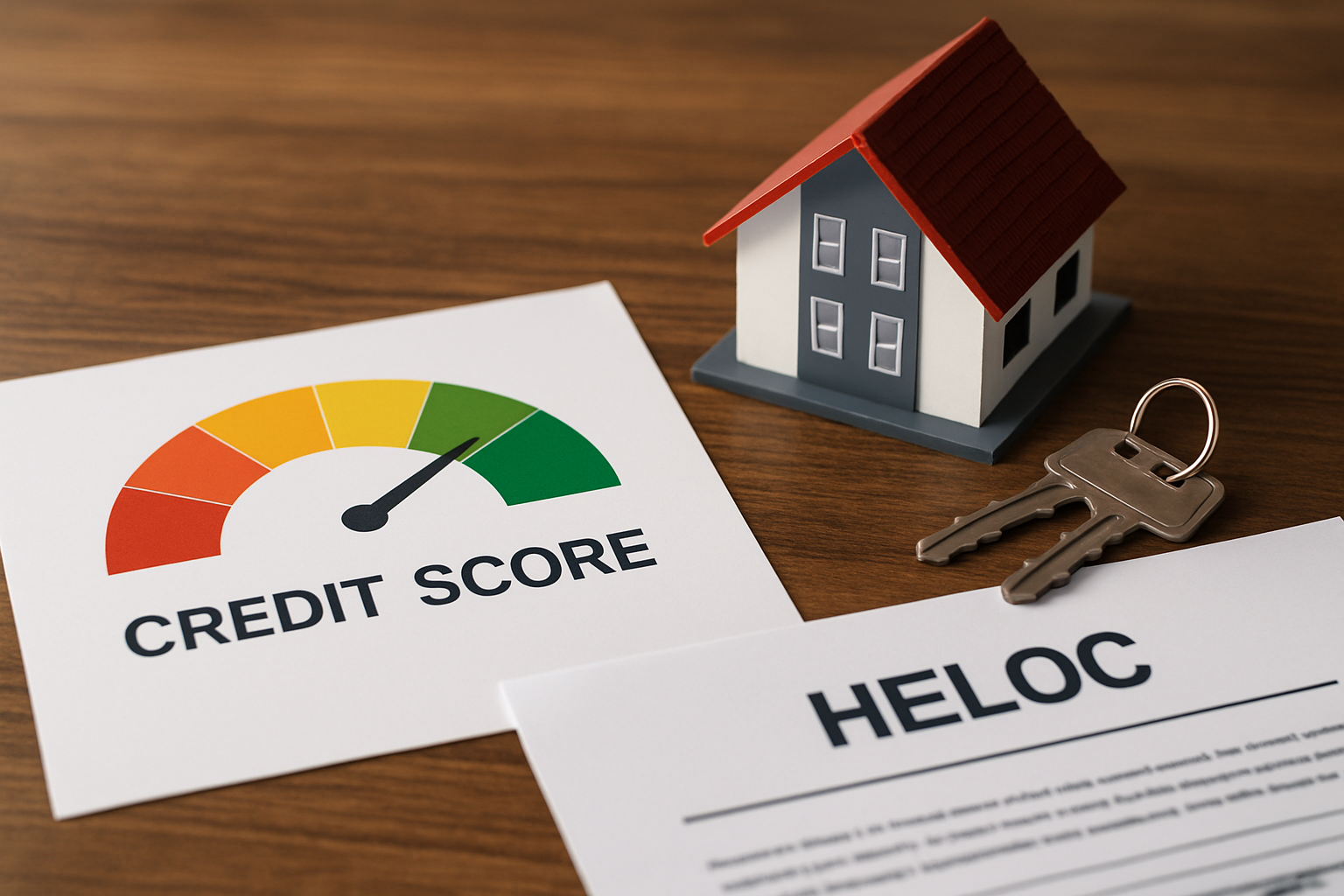
Understanding HELOC: An Introduction
A Home Equity Line of Credit (HELOC) is a popular financial product that allows homeowners to borrow against the equity in their homes. As real estate values continue to fluctuate, the demand for HELOCs has increased, offering financial flexibility for various needs such as home renovations, debt consolidation, or unexpected expenses.
A critical factor influencing your ability to obtain a HELOC is your credit score. In this guide, we will explore what credit score you need to secure a HELOC, why it matters, and how you can improve it if needed. Let's dive into the specifics and get you well-equipped on your journey to acquiring a HELOC.
What Credit Score Helps You Get a HELOC?
Your credit score is a numerical representation of your creditworthiness, affecting many aspects of your financial life. When it comes to HELOCs, lenders typically look for a credit score that demonstrates a reliable repayment history. As of 2026, the average credit score required for a HELOC is around 680. However, this can vary based on the lender, economic conditions, and individual circumstances.
Generally, the higher your credit score, the better terms and rates you can negotiate. Let's break down how credit scores are typically evaluated for a HELOC:
- Excellent (740 and above): Likely to receive the most favorable rates and terms.
- Good (700-739): Eligible for competitive rates, but slightly higher than those in the excellent range.
- Fair (640-699): Higher interest rates might apply, and there could be stricter terms.
- Poor (639 and below): It may be challenging to obtain a HELOC, and if approved, expect significantly higher rates.
Why Your Credit Score Matters for a HELOC
Lenders rely heavily on credit scores because they offer a snapshot of your financial behavior over time. Here's why your credit score is crucial when applying for a HELOC:
Risk Assessment
Credit scores help lenders assess the risk of lending money. A high score indicates a lower risk, suggesting you are more likely to repay the borrowed amount promptly, while a lower score suggests a higher risk of default.
Influence on Interest Rates
The credit score significantly influences the interest rates you'll be offered. Lower rates mean lower borrowing costs, potentially saving you thousands over the term of the credit line.
Determines Credit Limits
Along with determining your eligibility and interest rate, your credit score can influence the credit limit a lender is willing to offer. A higher score might allow for a higher credit limit.
How to Improve Your Credit Score Before Applying for a HELOC
If your credit score isn't where it needs to be to secure favorable HELOC terms, there are several steps you can take to improve it:
- Pay Your Bills on Time: Consistent, on-time payments are crucial in maintaining and boosting your credit score.
- Reduce Credit Card Balances: Aim to keep your credit utilization (the ratio of your credit card balance to your credit limit) below 30%.
- Limit New Credit Inquiries: Each hard inquiry can slightly lower your score, so be mindful of applying for new credit accounts.
- Check Your Credit Report: Regularly review your credit report to correct any inaccuracies that might be impacting your score.
Recent Trends and Real-World Examples
In 2026, the financial landscape shows an increasing number of homeowners utilizing HELOCs as interest rates begin to stabilize. For example, in a recent study, it was found that regions with higher property appreciation are witnessing more significant HELOC activity.
Moreover, technological advancements have allowed for quicker credit score assessments and more streamlined application processes, enabling more homeowners to access their equity faster.
According to Consumer Financial Protection Bureau and Experian, educating consumers about their credit scores and improving credit literacy has become a focal point. This can lead to better credit management, benefiting both borrowers and lenders in the HELOC process.
Conclusion: Preparing for a HELOC Application
Obtaining a HELOC can be a valuable financial tool when managed correctly. Your credit score is a significant determinant of your success in securing favorable rates and terms. By understanding the importance of your credit score and taking steps to improve it, you enhance your chances of obtaining a HELOC that suits your financial needs and goals.
Start by evaluating your current credit status, take deliberate steps to improve it if necessary, and explore different lending options to find the best fit for you. By being informed and proactive, you can leverage the benefits of a HELOC effectively, granting you the financial flexibility you need for various life projects.