Understanding Debt Consolidation Loans: A Practical Guide
Explore how debt consolidation loans can streamline your finances by combining multiple debts into a single monthly payment. Find out the potential benefits and considerations of opting for a consolidation loan and how it might help you manage your debt more effectively.
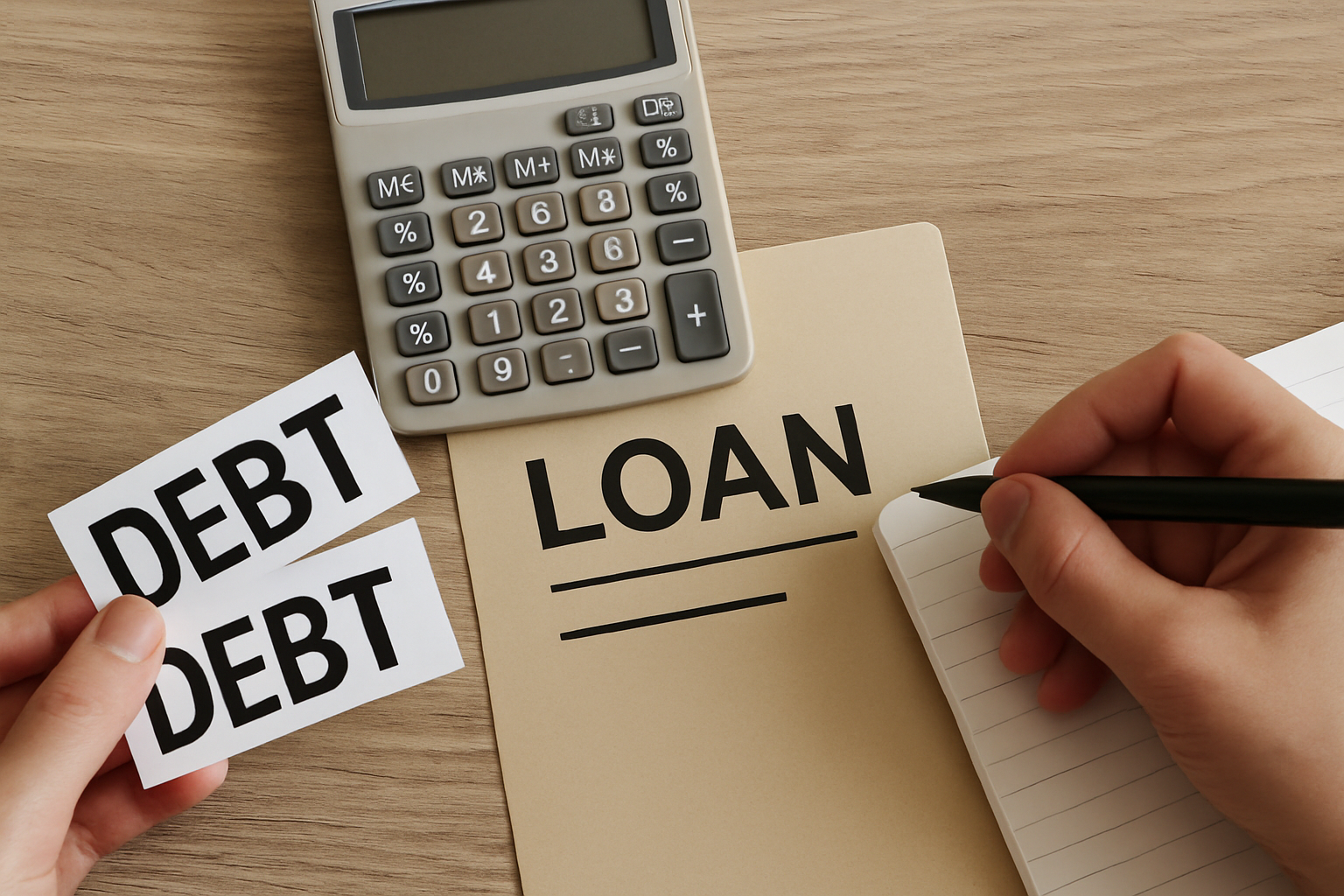
What is Debt Consolidation?
Debt consolidation is a financial strategy where multiple debts are combined into a single loan with a more favorable interest rate or terms. This process aims to simplify your debt management, reduce financial stress, and potentially save money on interest over time.
How Does Debt Consolidation Work?
Debt consolidation typically involves taking out a new loan to pay off existing debts. Once the debts are consolidated, you make a single monthly payment to the new lender instead of juggling multiple payments to different creditors. This can be particularly beneficial if the new loan has a lower interest rate or more manageable monthly payments.
- Secured Loans: These loans require collateral, such as a house or car. They generally offer lower interest rates.
- Unsecured Loans: These do not require collateral but might come with higher interest rates depending on your credit score.
The Benefits of Debt Consolidation
Debt consolidation offers several advantages for individuals struggling with multiple debts. Here’s how it can help:
- Lower Interest Rates: By consolidating high-interest debts into a single loan with a lower rate, you can save money over time.
- Simplified Payments: Managing one debt payment is easier and can reduce the risk of missing payments.
- Improved Credit Score: Consistently making payments on a consolidation loan can improve your credit score over time.
Who Can Benefit from Debt Consolidation?
Debt consolidation is not a one-size-fits-all solution. It tends to benefit those who:
- Have High-Interest Debt: If credit cards or loans carry high interest, consolidating them into a lower-rate loan may offer relief.
- Maintain Disciplined Financial Habits: Individuals who can avoid accumulating new debt and plan to make regular payments.
- Possess a Reliable Income: A stable income is critical to ensure monthly payments towards the consolidation loan are made without fail.
Types of Debt Consolidation Loans
Personal Loans
Personal loans can be used to consolidate debts without requiring collateral. They are based on creditworthiness and income level.
Home Equity Loans
These loans use your home as collateral. They usually offer lower interest rates due to the reduced risk for lenders. According to data from 2026, approximately 60% of Americans with good credit ratings benefited from lower interest rates through home equity loans (Source: Investopedia).
Qualifying for a Debt Consolidation Loan
Securing a debt consolidation loan often requires meeting specific criteria:
- Good Credit Score: A credit score of 650 or higher typically improves eligibility.
- Debt-to-Income Ratio: Lenders prefer a ratio below 50%.
- Stable Income: Regular employment or income streams to guarantee consistent payments.
Common Challenges with Debt Consolidation
While there are significant benefits, debt consolidation doesn’t work for everyone. Risks include:
- Longer Payoff Time: Lower monthly payments might extend the overall length of debt repayment.
- Potential for More Debt: Without proper financial discipline, individuals might incur additional debt.
- Mixed Credit Impact: Initial credit inquiries can temporarily lower your score.
Is Debt Consolidation Right for You?
Deciding whether debt consolidation is the right step involves evaluating your financial situation carefully. Consider the following:
- Your Debt Load: Evaluate the types and amounts of debt you carry.
- Financial Goals: Consider what you aim to achieve—whether it’s lower interest rates, reduced stress, or simplified payments.
- Professional Advice: Speaking to a financial advisor can provide personalized insight tailored to your unique circumstances.
Finding the Right Debt Consolidation Option
Research and comparison are essential when selecting a debt consolidation option. Key steps include:
- Compare Lenders: Look at rates, terms, and customer service ratings.
- Read Reviews: Consumer feedback can offer insights into the ease and efficiency of working with certain lenders.
- Consider Non-Profit Options: Non-profit credit counseling agencies may offer viable alternatives (Source: Consumer Finance).
Conclusion
Debt consolidation can be a powerful tool for managing financial obligations, but it's essential to approach it with a clear understanding and intentional planning. By evaluating your needs, understanding available options, and considering professional guidance, you can make informed decisions that help lead to greater financial stability.