Understanding Early Blood Sugar Warning Signs: What You Need to Know
Discover key early blood sugar warning signs that often go unnoticed yet could have significant implications for your health. Understanding these subtle indicators can empower you to make informed decisions.
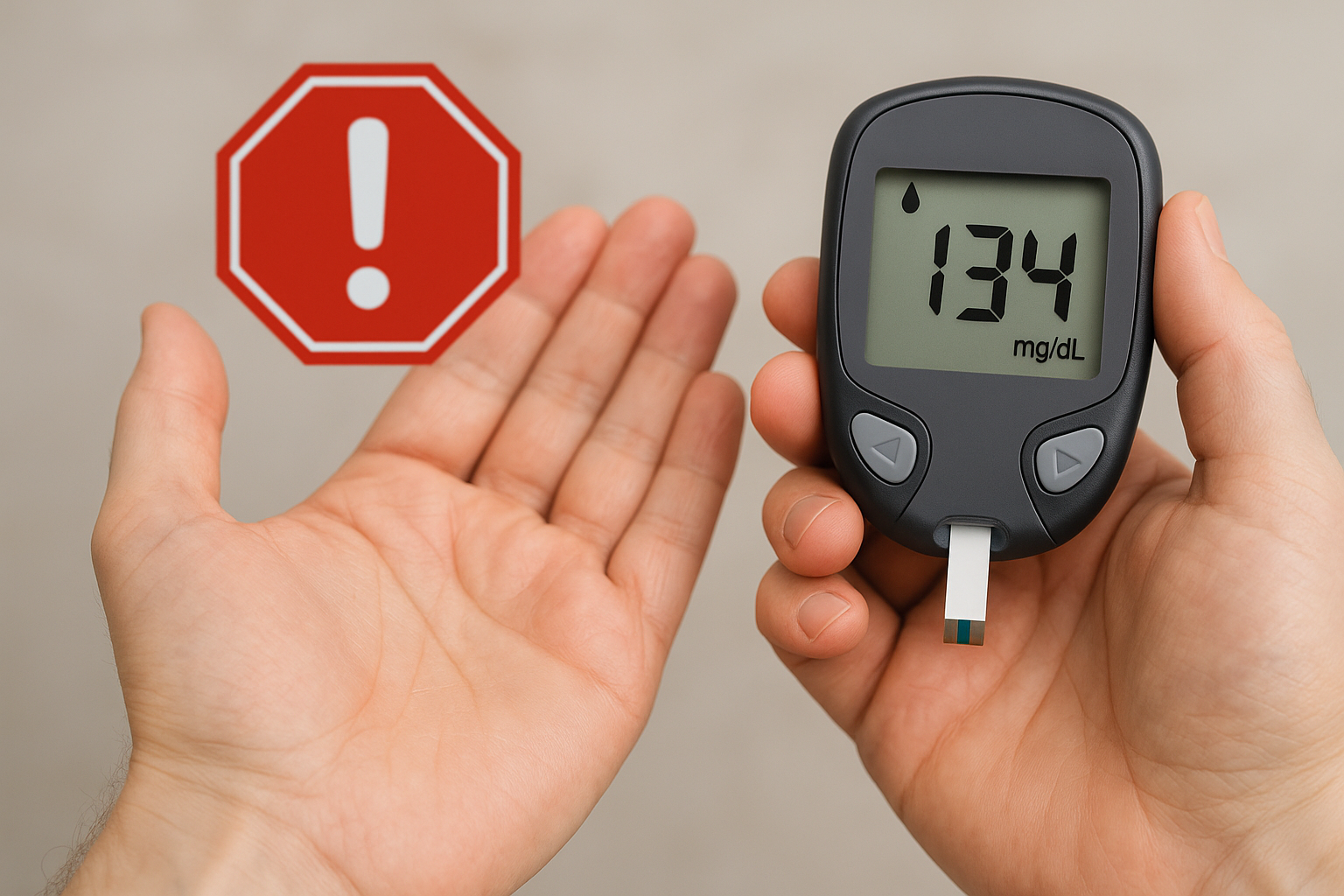
Understanding Blood Sugar and Its Importance
Blood sugar, also known as glucose, is a crucial source of energy for your body. It comes from the food you consume and is used by your cells with the help of insulin, a hormone produced by the pancreas. Maintaining balanced blood sugar levels is vital for overall health, impacting everything from energy levels to organ function.
Disruptions in blood sugar regulation can lead to chronic conditions such as diabetes. Early detection of blood sugar imbalances is essential, as it allows for timely intervention and management. Recognizing the warning signs early on can prevent the development of more serious health issues.
Common Early Warning Signs of Blood Sugar Imbalance
The body often provides subtle signals when blood sugar levels are not regulated properly. Here are some early warning signs that are commonly ignored:
- Frequent Urination: Increased urination can be a sign of high blood sugar levels, as the kidneys work overtime to eliminate excess glucose from the body.
- Excessive Thirst: As a result of frequent urination, your body loses more water, leading to increased thirst and fluid intake.
- Unexplained Fatigue: When your body cannot use glucose for energy efficiently, it can lead to feelings of constant tiredness and fatigue.
- Sudden Weight Changes: Unexplained weight loss can occur in type 1 diabetes, while weight gain might be a sign of type 2 diabetes.
- Blurred Vision: High blood sugar can cause the lenses in your eyes to swell, leading to blurred vision.
- Slow Healing of Wounds: Elevated blood sugar levels can impair blood circulation and interfere with healing processes.
Causes and Risk Factors
Several factors can contribute to blood sugar imbalances. A combination of genetic, lifestyle, and environmental factors can increase the risk of developing blood sugar-related issues:
- Poor Diet: High intake of sugar, refined carbs, and processed foods can lead to insulin resistance and high blood sugar levels.
- Sedentary Lifestyle: Lack of physical activity can reduce insulin sensitivity and contribute to higher blood sugar levels.
- Family History: Having a close family member with diabetes increases one's risk.
- Obesity: Excess body weight, especially around the abdomen, is a significant risk factor.
- Age: The risk of developing blood sugar imbalances increases with age.
Preventive Measures and Lifestyle Changes
Preventing blood sugar imbalances involves incorporating healthy lifestyle habits that enhance insulin sensitivity and maintain stable glucose levels:
Adopt a Balanced Diet
A nutritious diet rich in whole foods can significantly impact your blood sugar levels. Include lean proteins, healthy fats, and complex carbohydrates like fruits, vegetables, and whole grains. Monitor your sugar intake and avoid high-sugar foods and drinks.
Regular Physical Activity
Engage in regular physical activity, such as walking, cycling, or yoga, to improve insulin sensitivity and help maintain healthy blood sugar levels. Aim for at least 150 minutes of moderate aerobic activity each week.
Monitor Blood Sugar Levels
If you are at risk of developing blood sugar imbalances or have been diagnosed with pre-diabetes or diabetes, regular monitoring of blood sugar levels can help you track your glucose levels effectively.
Get Regular Check-Ups
Regular visits to healthcare professionals can lead to early detection of issues related to blood sugar. Discussing any symptoms with your doctor can lead to recommended tests and preventive strategies.
Recent Research and Developments
Recent studies have shed light on the complexities of blood sugar management. According to research conducted in 2026 (source: CDC Diabetes Report Card), approximately 90% of diabetes cases are type 2, which is largely preventable. Innovations in medical technology, such as continuous glucose monitors (CGMs), offer a more in-depth look at how lifestyle impacts blood sugar levels in real-time.
Another study published in the Journal of the American Medical Association emphasizes the role of gut microbiota in regulating blood glucose levels, suggesting that probiotics may become an integral part of managing blood sugar levels in the near future.
Conclusion
Understanding and recognizing early blood sugar warning signs is crucial for preventing serious health conditions like diabetes. By paying attention to the signals your body sends and making informed lifestyle changes, you can significantly improve your health outcomes. Staying updated with recent research and consulting healthcare professionals will ensure you maintain healthy blood sugar levels and overall well-being. Be proactive; your health is in your hands.