Understanding Emergency Loan Options for EBT Recipients: Where to Look and What to Avoid
Exploring emergency loans for EBT recipients? Learn where and how those on EBT can seek financial support during tough times. Discover options available, the application process, and what to keep in mind.
Understanding Emergency Loans for EBT Recipients
In today's unpredictable world, financial emergencies can arise without warning, creating a need for immediate financial assistance. Emergency loans can be a lifeline for individuals who require urgent cash due to unforeseen circumstances. For EBT (Electronic Benefits Transfer) recipients, accessing such loans may seem challenging. However, understanding where to apply and how to qualify for these financial aids can offer crucial support during tough times.
What is an EBT Card?
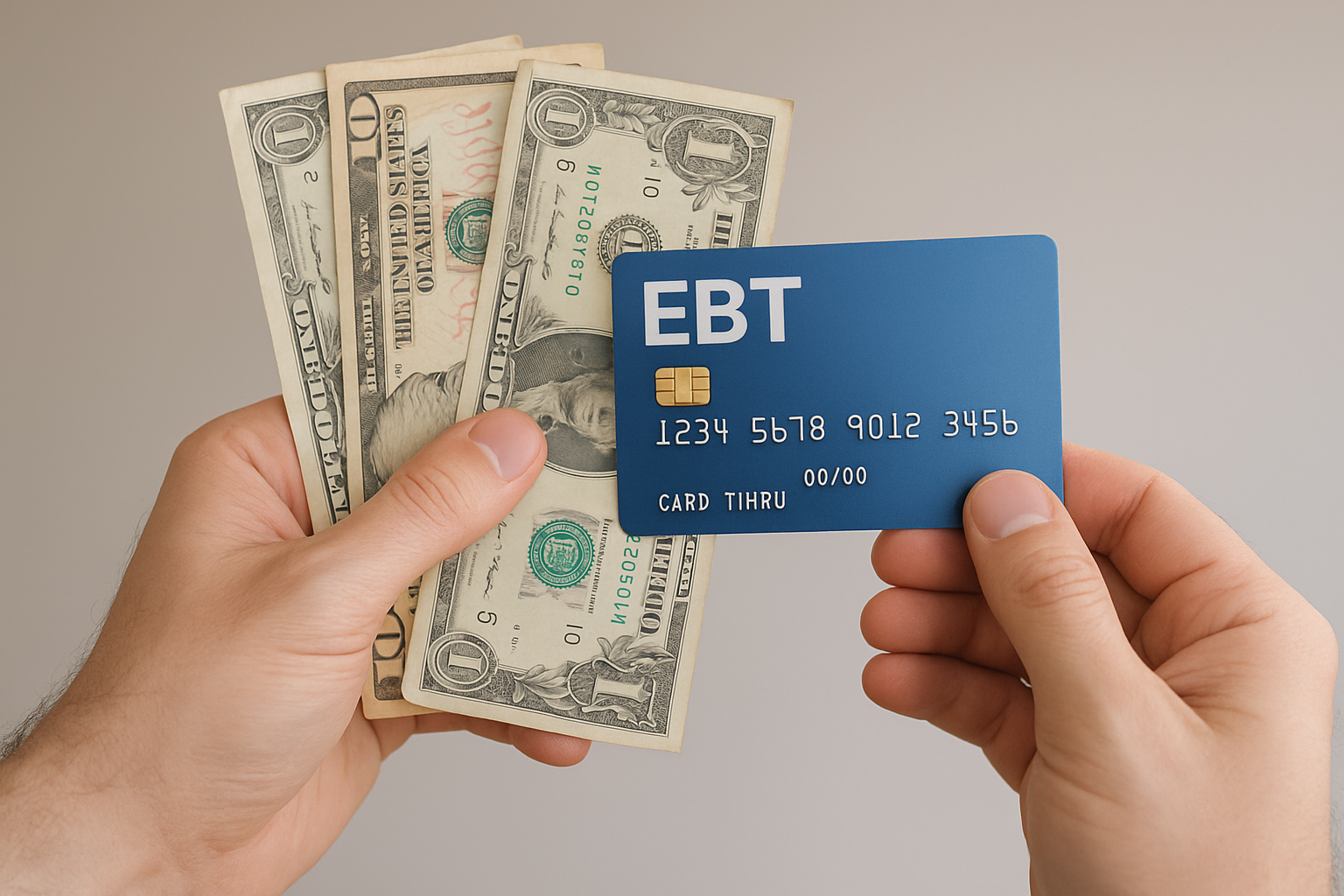
The EBT card is a payment method used in the United States to allow recipients to pay for food and other essential items. It is funded through governmental assistance programs such as SNAP (Supplemental Nutrition Assistance Program). EBT cards function like debit cards, ensuring seamless access to benefits without needing physical cash.
Types of Benefits Accessible via EBT
- SNAP Benefits: Primarily aimed at helping low-income individuals and families to purchase food.
- Temporary Assistance for Needy Families (TANF): Offers financial aid for essential household expenses.
Why Might EBT Recipients Need Emergency Loans?
EBT recipients often have fixed allowances meant for specific purposes like food and household necessities, with little room for unexpected expenses. Situations that might warrant an emergency loan include:
- An urgent medical bill not covered by insurance.
- Unforeseen car repairs necessary for maintaining employment.
- Sudden job loss resulting in financial instability.
- Natural disasters requiring immediate home repairs.
Where Can EBT Recipients Apply for Emergency Loans?
There are several avenues where EBT recipients can apply for emergency loans. Understanding these options can help recipients make informed decisions:
1. Community-Based Financial Institutions
Many local credit unions and community banks offer special loan products designed for low-income individuals, including those on public assistance.
- These institutions often provide lower interest rates compared to traditional banks.
- Some may offer flexible repayment terms and may not require stringent credit checks.
2. Online Lenders
The rise of fintech companies has introduced numerous online lending platforms that cater to diverse financial needs, including emergency situations.
- Platforms like Upstart and LendingClub offer personal loans with transparent terms.
- Online applications are typically straightforward, providing quick approvals and disbursements.
- It's critical, however, to check the credibility of these lenders through reviews and ratings, ensuring they are not charging exorbitant fees or interest rates.
3. Government Programs and Non-Profits
Several governmental programs and non-profit organizations provide emergency loans or grants:
- The Office of Community Services under the Department of Health and Human Services (HHS) runs initiatives like the Community Service Block Grant.
- Non-profits like Modest Needs provide short-term assistance to cover emergency expenses.
Eligibility and Application Process for Emergency Loans
Each lending institution or program has specific eligibility criteria and application processes. Common requirements include:
- Proof of identity and residence.
- Verification of income or benefits received.
- Bank account details for fund disbursement.
Eligible individuals should prepare the necessary documentation and explore different offerings to find the most suitable option.
Application Tips
- Ensure all documentation is current and easy to access.
- Contact multiple lenders to compare interest rates and terms.
- Consider asking lenders about any financial counseling services they may offer.
Alternatives to Emergency Loans
While emergency loans can be valuable, recipients should also consider alternative options:
- Credit Counseling: Agencies like the NFCC (National Foundation for Credit Counseling) offer programs to help manage debts and finances.
- Personal Savings: Building an emergency fund can provide a buffer to avoid loans during hard times.
- Assistance Programs: Look for any local aid programs providing targeted financial help, like utility assistance or housing aid programs.
Conclusion
For EBT recipients, understanding where to apply for emergency loans and ensuring preparedness for unexpected financial burdens can be pivotal. By leveraging community resources, evaluating online options, and exploring governmental aids, individuals can secure the necessary support to overcome financial challenges. Remaining informed about available resources and services ensures that EBT recipients are not alone during financial difficulties, allowing for better management and planning of their financial health.
https://www.usa.gov/government-loan
https://www.thecreditpeople.com/loans/can-you-actually-get-a-cash-advance-on-food-stamps
https://www.withpurple.com/post/emergency-cash-options-for-ssi-recipients