Understanding Emergency Loans for EBT Recipients: A Guide to Navigating Financial Assistance
Emergency loans for EBT recipients offer critical support during tough times. Understanding how these loans work is vital for those needing immediate financial relief. This guide explores how emergency loans can be accessed by EBT recipients, detailing important considerations and steps involved.
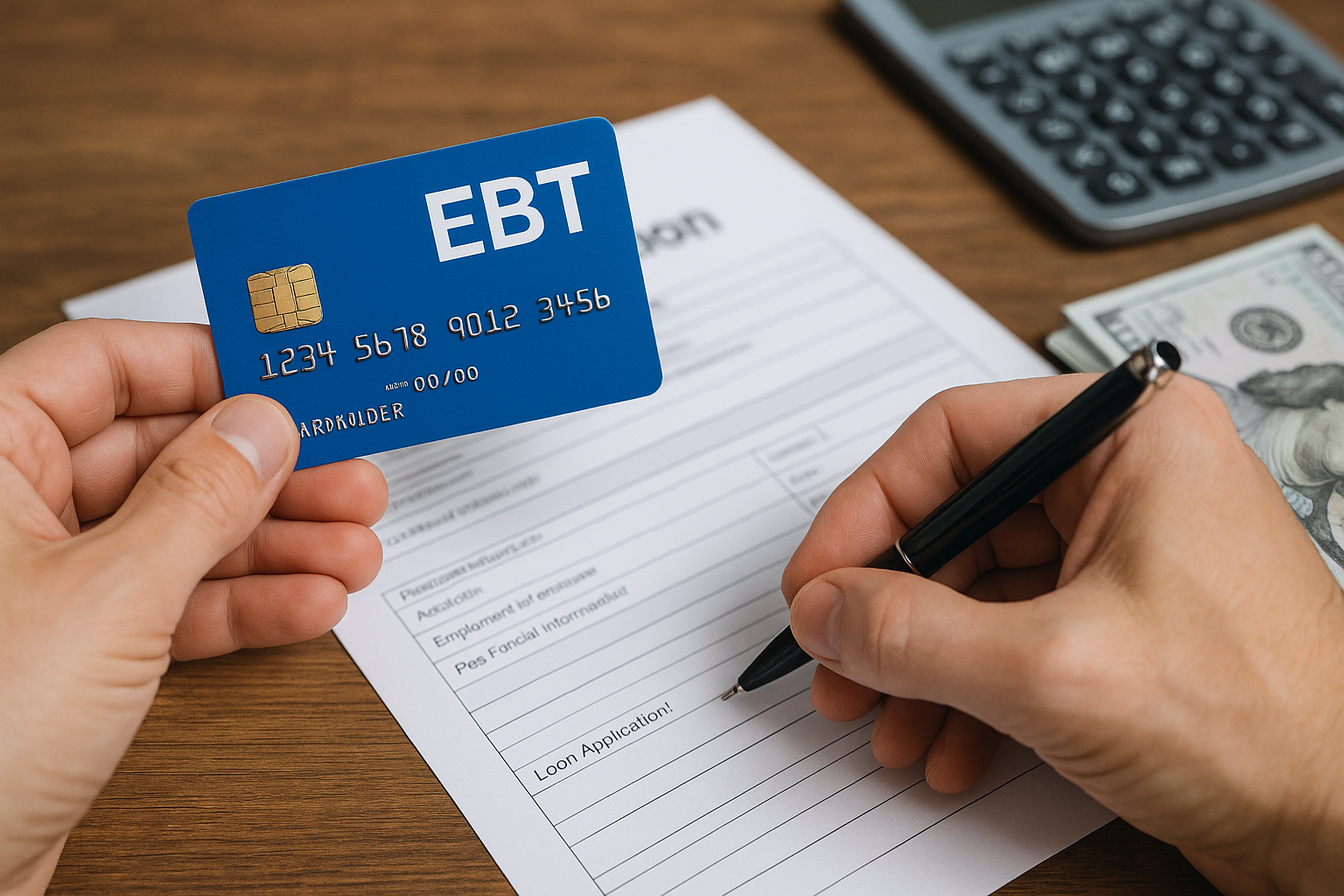
Understanding Emergency Loans for EBT Recipients
Emergency loans can be a lifeline for individuals and families facing unexpected financial challenges. For EBT recipients, who often have fixed or limited incomes, understanding how these loans work is crucial. This article delves into the mechanics of emergency loans, their benefits, and significant considerations for EBT recipients.
What Are Emergency Loans?
Emergency loans are short-term financial solutions designed to provide immediate funds to cover urgent or unforeseen expenses. These loans are typically smaller in amount compared to traditional loans and come with shorter repayment periods.
- Purpose: Emergency loans are meant for urgent needs such as medical emergencies, car repairs, or urgent home repairs.
- Types: Common types include payday loans, personal installment loans, and credit card cash advances.
Eligibility Criteria for EBT Recipients
EBT recipients may qualify for emergency loans despite having low income. However, lenders may have specific requirements:
- Proof of Income: Even though EBT is not considered income, some lenders accept benefits as proof of financial support.
- Credit Checks: Many lenders offer no-credit-check loans, although a bank account might be necessary.
Lenders like OppLoans and Avant provide loans tailored for low-income individuals, focusing on factors beyond credit scores.
How Do Emergency Loans Impact EBT Recipients?
While emergency loans can offer relief, there are implications EBT recipients should consider:
- Loan Repayment: With limited monthly resources, repaying even a small loan might strain your budget.
- Interest Rates and Fees: Many emergency loans come with high-interest rates, sometimes exceeding 100% annually.
- Potential Debt Cycle: Failing to repay promptly can lead to a cycle of debt due to accumulating interest and fees.
Steps to Secure an Emergency Loan
Securing an emergency loan involves several steps. Here’s a general guideline:
- Research and Compare Lenders: Look for lenders offering reasonable terms to low-income or no-credit-check applicants.
- Prepare Necessary Documentation: This may include personal identification and proof of benefits.
- Submit an Application: Applications can often be completed online for convenience.
- Review Loan Agreement: Understand terms, fees, and repayment conditions before signing.
Alternatives to Emergency Loans for EBT Recipients
EBT recipients can explore alternatives to traditional emergency loans. Consider these options:
- Community Assistance Programs: Local nonprofits and charities often provide emergency financial aid for essentials.
- Negotiating Payment Plans: Contacting creditors directly to arrange payment plans can be a viable option.
- Credit Union Loans: Many credit unions offer small-dollar loans with lower interest rates compared to payday lenders.
Real-World Example and Data
According to a 2026 report by the Consumer Financial Protection Bureau, over 12 million U.S. citizens resort to payday loans annually, with many of them being EBT recipients or low-income earners. This statistic underscores the importance of understanding emergency loan structures and alternatives.
For example, Jesse, an EBT recipient from Ohio, faced an unexpected medical bill. Rather than opting for a payday loan, Jesse used a local credit union that offered a $500 emergency loan with a 10% interest rate. This option proved to be more affordable and manageable for repayment over six months.
Conclusion
Emergency loans can provide essential support during financial crises, but they require careful consideration, especially for EBT recipients. It's vital to weigh the benefits against potential risks and explore alternative options. By doing so, you can make informed decisions that best support your financial health.
For further assistance, consult resources available at the Consumer Financial Protection Bureau or Benefits.gov for more support regarding loans and financial assistance programs.
https://www.usa.gov/government-loan
https://www.thecreditpeople.com/loans/can-you-actually-get-a-cash-advance-on-food-stamps
https://www.withpurple.com/post/emergency-cash-options-for-ssi-recipients