Understanding Emergency Loans for EBT Recipients: What You Need to Know
Navigating financial challenges can be daunting, especially for EBT recipients in need of emergency loans. While options may be limited, exploring various assistance programs and understanding eligibility criteria can provide valuable insights.
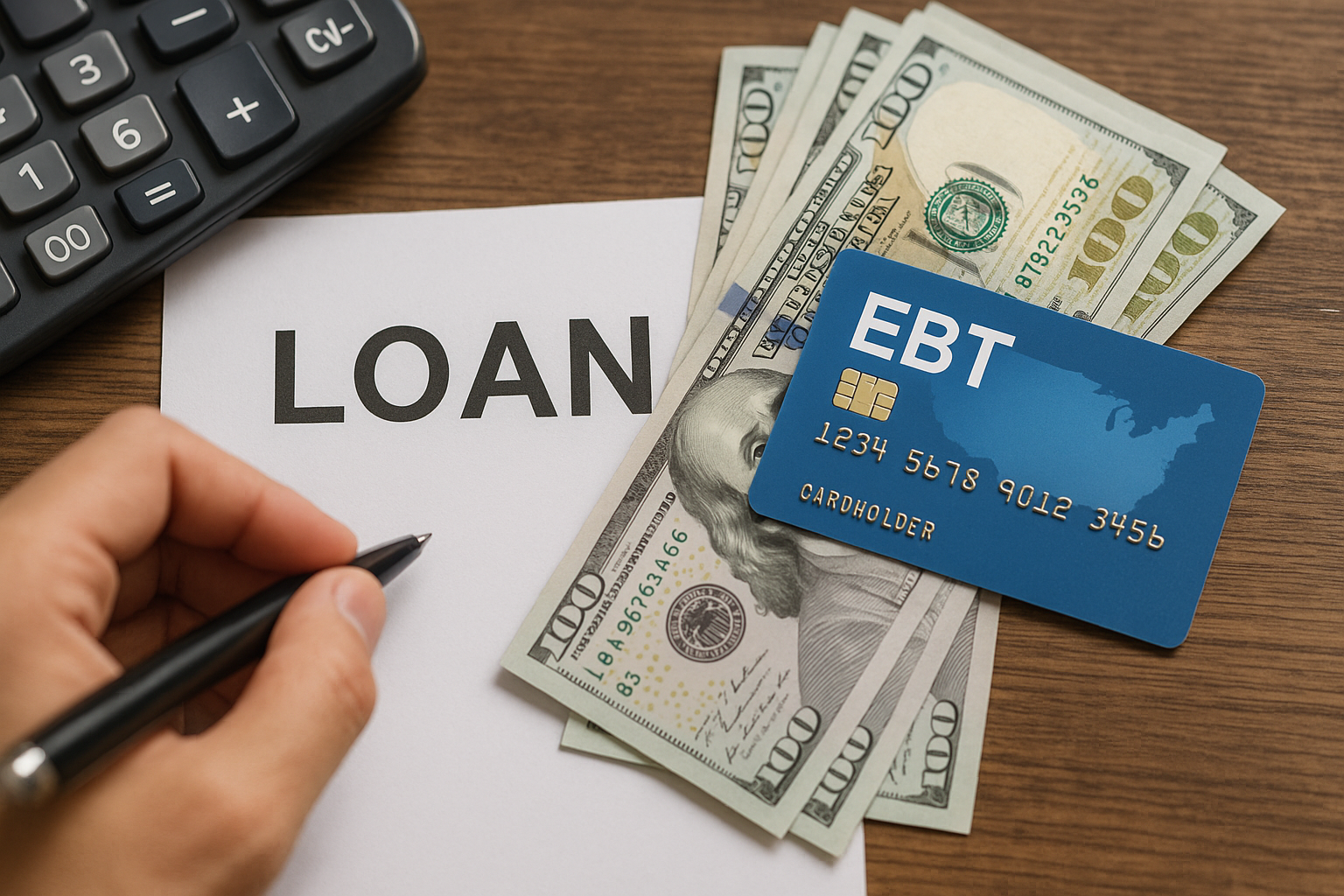
Understanding EBT and Emergency Loans
Many individuals and families rely on the Supplemental Nutrition Assistance Program (SNAP), commonly known as EBT (Electronic Benefits Transfer), to meet their nutritional needs. However, unforeseen expenses can lead to financial strain, making it essential for EBT recipients to understand their options for emergency loans.
Emergency loans can be crucial financial resources, providing quick access to funds in a crisis. But how do they work for EBT recipients? This article explores the relationship between EBT benefits and emergency loans, offering valuable insights into the possibilities and limitations.
What Are Emergency Loans?
Emergency loans are short-term financial products designed to help individuals cover unexpected expenses, such as medical bills, car repairs, or utility payments. These loans can be a lifeline for those without sufficient savings for emergencies. Common types include payday loans, personal loans, and cash advances.
Payday loans, for example, are typically small, unsecured loans that must be paid back with your next paycheck. While they offer quick access to cash, they often come with high-interest rates and fees. Personal loans, on the other hand, can range from small to substantial amounts, depending on your credit profile.
Can EBT Recipients Qualify for Emergency Loans?
Eligibility Criteria
EBT recipients can qualify for emergency loans, but eligibility primarily depends on factors such as credit score, income level, and the lender's requirements. While EBT benefits themselves don't count as income for loan qualification, other income sources, like a part-time job or Social Security benefits, may be considered.
- Credit Score: Lenders often look at credit history to assess the borrower's ability to repay the loan.
- Income: Proof of consistent income (beyond EBT) is usually necessary.
- Bank Account: An active checking account might be required for direct deposit of the loan.
Lending Options for EBT Recipients
Although obtaining a loan with limited income might seem challenging, some lenders specialize in working with low-income individuals, offering options such as:
- Credit Unions: Many offer small personal loans at lower interest rates compared to payday lenders.
- Community-based Programs: Nonprofits or local community programs sometimes provide financial assistance or loans to those in need.
- Online Lenders: Platforms like Upgrade or OppLoans offer personal loan options for those with poor credit.
Alternatives to Emergency Loans
While emergency loans are a viable option, they might not be the best solution for everyone. Here are some alternatives that may be more suitable:
Local Assistance Programs
Investigating local government and nonprofit programs can offer vital financial relief. In 2026, 35% of EBT recipients reported using additional assistance programs to make ends meet (source: Urban Institute). These programs might include rental assistance, utility help, or food banks.
Budget and Financial Counseling
Developing a robust budgeting plan can also alleviate some financial stress. Many community centers and nonprofit organizations provide free financial counseling, helping individuals better manage their current resources.
Peer-to-Peer Lending
Peer-to-peer lending platforms, like LendingClub, connect borrowers directly with individual lenders. This option might offer lower interest rates than traditional financial institutions and present a more flexible lending environment.
Risks and Considerations
It's crucial to weigh the potential risks before applying for emergency loans. Interest rates and fees can escalate, leading to a cycle of debt that is hard to break. In 2026, nearly 12 million Americans struggled with payday loan debt (source: Consumer Financial Protection Bureau).
Interest Rates and Fees
Emergency loans often come with high-interest rates, especially for those with poor credit. Understanding the loan terms, including the annual percentage rate (APR) and any additional fees, is critical.
Repayment Challenges
If your financial situation doesn't improve, repaying the loan could strain your budget further. It's essential to have a clear repayment plan in place before borrowing.
Conclusion: Making Informed Decisions
For EBT recipients, navigating the world of emergency loans requires careful consideration of various factors, including eligibility, alternatives, and the potential impact of borrowing. By understanding the available resources and seeking advice from financial counselors, individuals can make informed decisions that align with their financial circumstances.
Always prioritize reviewing the terms and conditions of any loan agreement and seek assistance from community resources whenever possible. Making an informed decision will ensure you maintain financial stability and avoid the pitfalls of high-cost borrowing.
https://www.usa.gov/government-loan
https://www.thecreditpeople.com/loans/can-you-actually-get-a-cash-advance-on-food-stamps
https://www.withpurple.com/post/emergency-cash-options-for-ssi-recipients