Understanding Essential Auto Insurance Coverage Options for Seniors with AARP
Discover the essential coverage seniors should consider with AARP Auto Insurance. Understanding the right coverage options can help ensure peace of mind on the road.
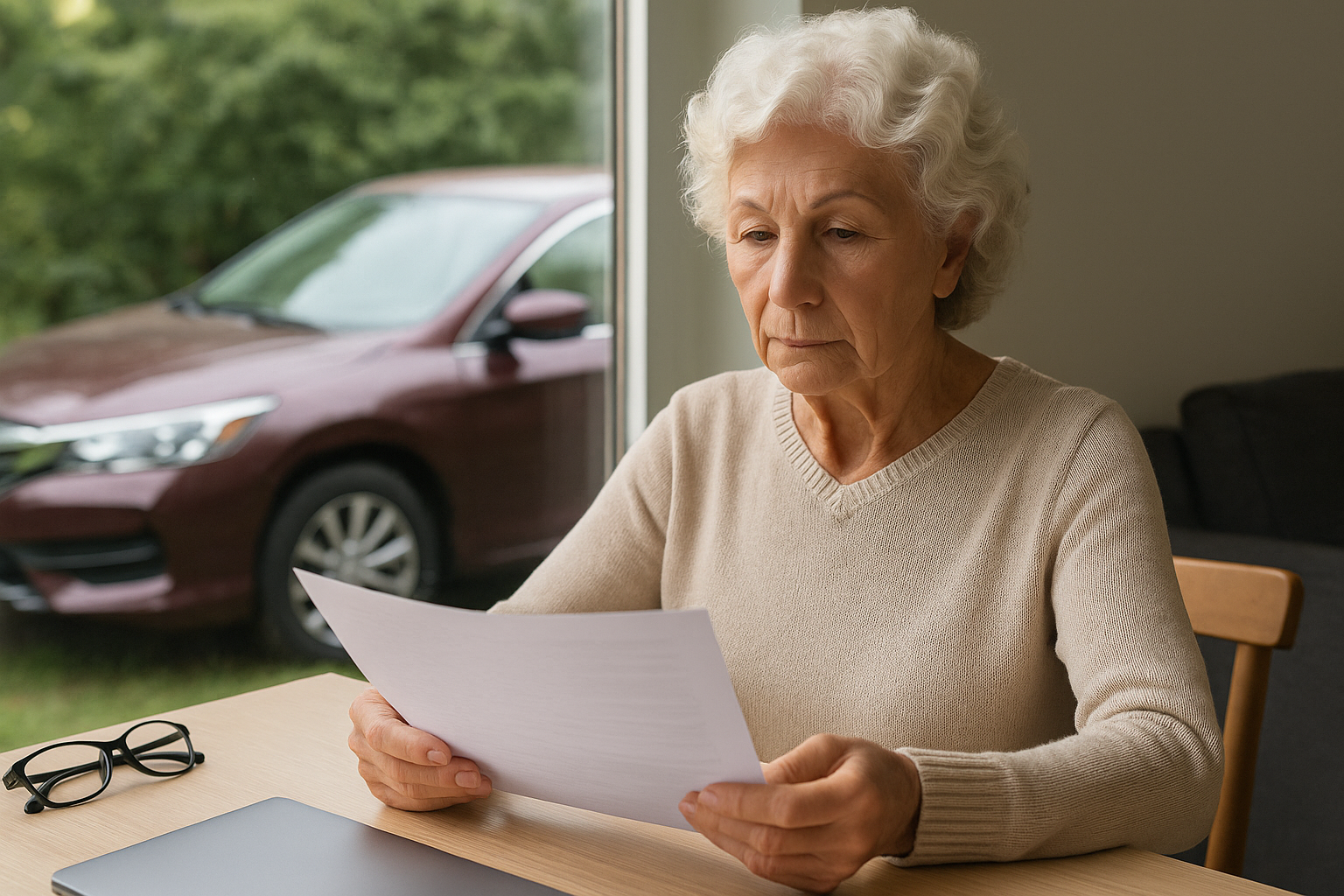
Understanding AARP Auto Insurance for Seniors
As more seniors reach the age of retirement, understanding their auto insurance needs becomes increasingly important. AARP, known for advocating on behalf of older adults, offers auto insurance plans through its partnership with The Hartford. But what coverage do seniors really need for AARP auto insurance? This article delves into key aspects to help seniors make informed decisions about their coverage options.
Why Choose AARP Auto Insurance?
AARP auto insurance is specifically designed with seniors in mind, providing tailored policies that reflect the unique needs of retirees and older adults. AARP's partnership with The Hartford offers several benefits such as competitive rates, excellent customer service, and a wide range of coverage options.
- Discounts: AARP members can access numerous discounts, including multi-car, defensive driver, and anti-theft device discounts, which can significantly reduce premiums.
- Roadside Assistance: Free roadside assistance is included, which can be particularly beneficial for seniors traveling far from home.
- Renewal Guarantee: The Hartford offers a lifetime renewal guarantee, ensuring that as long as certain conditions are met, seniors won't be dropped from their coverage.
Essential Coverage Options for Seniors
For seniors, selecting the right combination of coverage options is crucial to safeguard both their assets and peace of mind. Let's explore the essential coverage options within AARP auto insurance policies:
Liability Insurance
Liability insurance is mandatory in most states and covers costs associated with injuries or property damage in an accident where the insured is at fault. Seniors should consider increasing their liability limits to provide more expansive protection of personal assets.
Collision and Comprehensive Coverage
These types of coverage are valuable for protecting against vehicle damage. Collision insurance covers damages from accidents, while comprehensive coverage protects against non-collision incidents such as theft, fire, or severe weather.
Seniors driving older vehicles may consider adjusting their coverage to avoid over-insuring a car that can be cheaply replaced. Perform a cost-value analysis to determine whether collision and comprehensive coverage are financially beneficial.
Personal Injury Protection (PIP) or Medical Payments Coverage
Medical costs continue to rise, making PIP or medical payments coverage an important consideration. This coverage helps pay for medical expenses resulting from an accident, regardless of who is at fault. It's especially useful for seniors who may have higher medical costs.
Uninsured/Underinsured Motorist Coverage
Should an accident occur with a driver who has insufficient or no insurance, uninsured/underinsured motorist coverage can cover costs for damages and medical expenses. This coverage becomes more critical for seniors who might encounter drivers with inadequate coverage.
Tips for Seniors to Save on AARP Auto Insurance
Many seniors live on fixed incomes, so finding ways to save on auto insurance is a priority. Consider the following tips:
- Take a Defensive Driving Course: Completing an approved defensive driving course can qualify you for additional discounts.
- Bundle Policies: Bundle your auto insurance with other types of insurance, such as homeowners’ insurance, for potential discounts.
- Maintain a Clean Driving Record: Avoiding accidents and traffic violations can lead to lower premiums over time.
Case Study: A Real-world Application
Consider Jane, a 68-year-old retiree. After reviewing her existing coverage with AARP, she realized she was overpaying for collision coverage on her 12-year-old vehicle. By opting for liability and comprehensive coverage only, Jane saved hundreds of dollars annually. Additionally, she took advantage of AARP’s smart driver course, securing a further reduction in her insurance rate.
Conclusion: Making the Right Choice
Seniors must assess their needs carefully when selecting auto insurance coverage. AARP auto insurance provides tailored options, significant discounts, and other benefits that cater to the requirements of older adults. It's crucial to choose coverage levels that protect against potential financial risks while considering affordability.
For more information about specific AARP auto insurance options and to get personalized advice, seniors should contact AARP directly or consult with their insurance advisor.
Sources: AARP Auto Insurance Program from The Hartford, Insurance Information Institute, National Highway Traffic Safety Administration