Understanding Factors That Trigger Lymphedema Flare-Ups
Understanding what causes a lymphedema flare-up is the first step toward preventing one. These flare-ups aren't random; they're often linked to specific triggers ranging from injury and infection to air travel and even extreme temperatures.
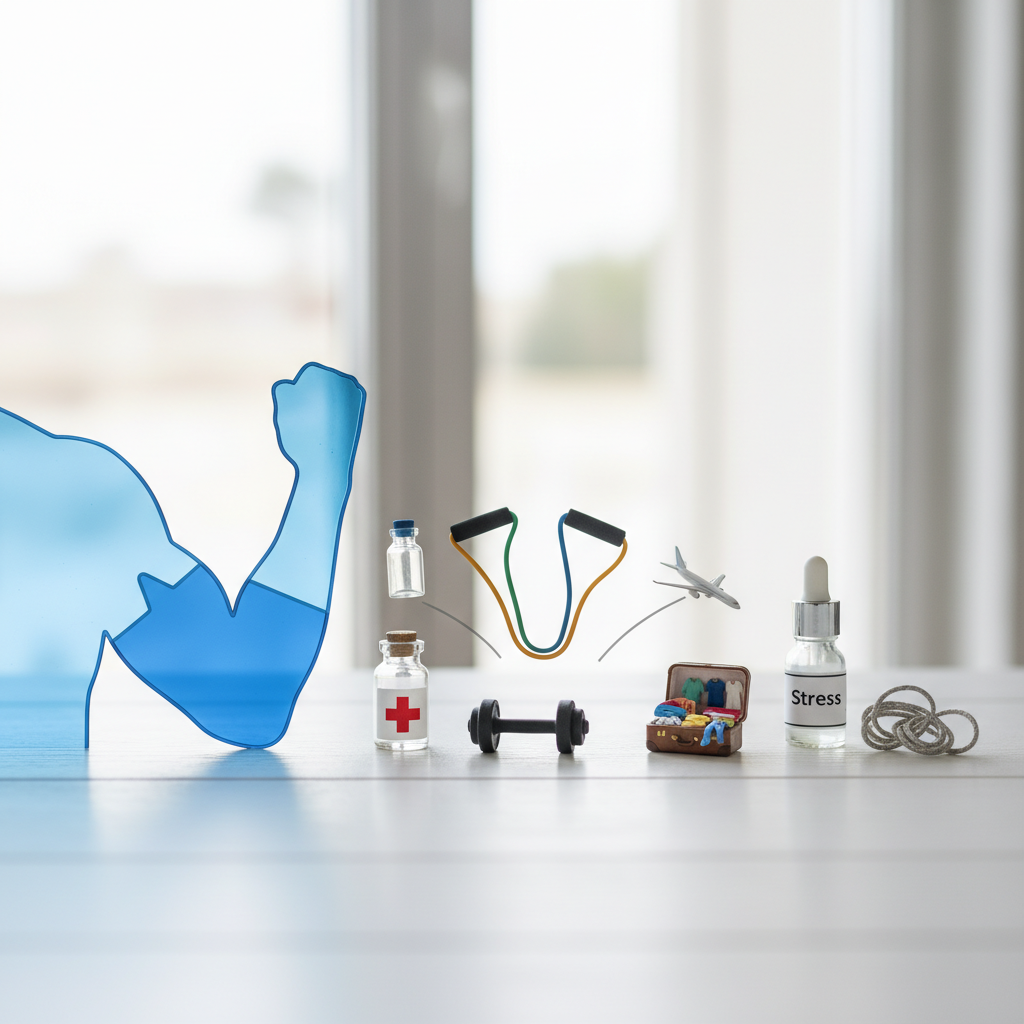
Living with lymphedema means managing a chronic condition where flare-ups, or sudden increases in swelling and other symptoms, can occur. Understanding the triggers that cause these flare-ups is a crucial step in managing the condition effectively. While triggers can vary from person to person, several common factors are known to exacerbate symptoms by overwhelming an already compromised lymphatic system.
A flare-up doesn't just mean more swelling; it can also bring increased discomfort, heaviness, tightness, and a higher risk of complications like cellulitis. By identifying and avoiding personal triggers, individuals can maintain stability and improve their quality of life. Below is a detailed exploration of the most common causes behind lymphedema flare-ups.
Common Triggers That Can Cause Lymphedema Flare-Ups
Infections
One of the most significant and dangerous triggers for a lymphedema flare-up is infection. Conditions like cellulitis (a bacterial skin infection), fungal infections, or even a simple infected cut can provoke a powerful inflammatory response from the body. This response floods the affected area with white blood cells and fluid to fight the pathogens, dramatically increasing the volume of lymphatic fluid that needs to be cleared.
For a lymphatic system that is already struggling, this sudden surge of fluid is impossible to manage, leading to a rapid and often painful increase in swelling. It is critical for individuals with lymphedema to practice meticulous skin care to prevent breaks in the skin where bacteria can enter and to seek immediate medical attention at the first sign of infection, such as redness, warmth, pain, or fever.
Skin Injury or Trauma
Any form of trauma to the affected limb or area can trigger a flare-up. This includes cuts, scrapes, insect bites, sunburns, bruises, and even medical procedures like injections or blood draws in the at-risk limb. When the skin is injured, the body initiates an inflammatory healing process, which, similar to an infection response, brings extra fluid to the site of the injury.
This natural healing mechanism places an additional burden on the lymphatic drainage pathways. The system, unable to cope with the increased load, allows fluid to accumulate, resulting in worsened swelling. Protecting the skin is therefore a cornerstone of lymphedema management, involving measures like wearing gloves for gardening, using insect repellent, and applying sunscreen diligently.
Extreme Temperatures
Both excessive heat and cold can negatively impact lymphatic function. Heat, in particular, is a well-known trigger. When the body gets hot, blood vessels dilate (widen) to release heat through the skin. This process, known as vasodilation, increases blood flow and subsequently the amount of fluid that filters out of the capillaries into the surrounding tissues.
This extra fluid becomes lymph, and an already inefficient lymphatic system can quickly become overwhelmed, causing a noticeable flare-up. For this reason, it's often recommended that people with lymphedema avoid hot tubs, saunas, and prolonged sunbathing. While less common, extreme cold can sometimes cause a rebound swelling effect for some individuals, making temperature moderation a key strategy.
Air Travel and Altitude Changes
Changes in atmospheric pressure, especially those experienced during air travel, can be a major trigger for lymphedema flare-ups. The lower cabin pressure in an airplane can cause gases in the body's tissues to expand and can encourage fluid to move from the bloodstream into the tissue spaces. This adds to the lymphatic load.
Furthermore, sitting for long periods in a cramped position can impede the natural muscle-pumping action that helps move lymph fluid along. The combination of inactivity and pressure changes makes flying particularly challenging. To mitigate this, wearing a properly fitted compression garment during a flight is almost always recommended by lymphedema therapists, along with staying hydrated and performing gentle in-seat exercises.
Overexertion and Strenuous Activity
While gentle exercise is beneficial for lymphedema, sudden, strenuous, or repetitive overuse of the affected limb can cause a flare-up. When muscles work hard, blood flow to the area increases significantly to supply oxygen and nutrients. This increased blood flow also means an increase in the production of lymphatic fluid.
If the activity is too intense or if the body isn't accustomed to it, the lymphatic system can't drain the excess fluid fast enough, leading to increased swelling. The key is gradual progression. Individuals should start new activities slowly, listen to their bodies, and wear compression garments during exercise as advised by their therapist to provide support and aid fluid movement.
Constrictive Clothing or Jewelry
Anything that puts prolonged pressure on a specific part of the body can act like a dam, blocking the gentle flow of lymphatic fluid. This includes tight clothing, cuffs on sleeves or pants, tight-fitting jewelry like rings or bracelets, and even blood pressure cuffs used on an at-risk arm.
When the superficial lymphatic vessels are compressed, fluid can back up behind the constriction, causing swelling to worsen in the area "downstream" from the blockage. It's important to wear loose-fitting clothing and remove any tight jewelry from the affected limb to ensure that lymph fluid has an unobstructed path to flow as efficiently as possible.
Certain Medical Procedures
Some medical procedures, especially on the affected side of the body, can trigger or worsen lymphedema. Blood draws, IV line placements, and injections can cause localized trauma and inflammation, increasing the lymphatic load. Even a simple blood pressure reading with a standard cuff can create a tourniquet effect that temporarily halts lymph flow and can lead to a flare-up.
Patients should always inform healthcare providers about their lymphedema diagnosis and request that such procedures be performed on an unaffected limb whenever possible. Wearing a medical alert bracelet can also serve as a crucial reminder for medical staff in emergency situations.
Poor Diet and Weight Gain
Excess body weight and a diet high in sodium can contribute significantly to lymphedema flare-ups. Adipose (fat) tissue can produce hormones that promote inflammation, and excess fat can physically compress and obstruct lymphatic channels, further impairing drainage. This makes it harder for the lymphatic system to function effectively.
A diet high in salt causes the body to retain water, which increases the overall fluid volume that the lymphatic system has to manage. Maintaining a healthy weight and consuming a balanced, low-sodium diet can reduce the baseline strain on the lymphatic system, making it more resilient and less prone to flare-ups.
Understanding the Lymphatic System and Lymphedema
To fully grasp why these triggers cause flare-ups, it's helpful to understand the job of the lymphatic system. It is a crucial part of both the circulatory and immune systems, functioning as the body's primary drainage and filtration network. This intricate web of vessels, nodes, and organs is responsible for collecting excess fluid, proteins, and other waste products from the body's tissues, known as lymph fluid.
This fluid is then transported through lymphatic vessels, filtered through lymph nodes to remove harmful substances, and ultimately returned to the bloodstream. Lymphedema occurs when this system is damaged or blocked—often due to surgery, radiation therapy for cancer, infection, or congenital abnormalities. Without a clear path, the lymph fluid backs up in the tissues, causing chronic swelling and other related symptoms. A flare-up happens when an external or internal factor places a demand on this already damaged system that it simply cannot meet.
Frequently Asked Questions About Lymphedema Flare-Ups
Can stress cause lymphedema to flare up?
While stress itself isn't a direct physical blockage, it can absolutely be an indirect trigger for lymphedema flare-ups. When you experience high levels of emotional or psychological stress, your body releases hormones like cortisol. Chronic elevation of cortisol can lead to increased inflammation throughout the body, which can strain the lymphatic system.
Furthermore, stress can affect behavior. People under stress may be less likely to adhere to their management routines, such as wearing compression garments, exercising, or eating a healthy diet. Stress also causes muscle tension, which can potentially restrict the gentle flow of lymph fluid. Practicing stress-reduction techniques like deep breathing, meditation, or yoga can be a valuable part of a holistic lymphedema management plan.
How can I help prevent lymphedema flare-ups?
Preventing flare-ups is centered on diligent self-care and avoiding known triggers. A primary strategy is meticulous skin care: keep the skin clean, moisturized, and free from injury to prevent infections. Always wear well-fitting compression garments as prescribed by a certified lymphedema therapist, as these provide the external pressure needed to support lymphatic drainage.
Engage in regular, gentle exercise, such as swimming, walking, or yoga, to stimulate the muscle-pumping action that helps move lymph fluid. It's also vital to maintain a healthy weight and follow a balanced, low-sodium diet. Finally, be aware of your environment—avoid extreme heat, protect yourself from the sun and insects, and be cautious during activities that could lead to injury.
What does a lymphedema flare-up feel like?
A lymphedema flare-up involves more than just a visible increase in size. One of the first signs is often a feeling of heaviness or fullness in the affected limb or area. The skin may feel tight, as if it's being stretched from the inside, and you might notice that clothing or jewelry feels suddenly much tighter than usual.
Accompanying these sensations can be aching, discomfort, or even pain. The texture of the skin might change, feeling firmer or harder to the touch. Some people also experience a decrease in flexibility or range of motion in the nearby joints. If the flare-up is caused by an infection, you will also notice redness, warmth, and potentially fever or chills, which require immediate medical attention.
Conclusion
Managing lymphedema is an ongoing process of learning your body and understanding its limits. Flare-ups are caused by factors that overload the compromised lymphatic system, leading to increased swelling, discomfort, and risk of complications. By recognizing and avoiding common triggers such as infection, injury, extreme temperatures, and overexertion, individuals can play an active role in keeping their condition stable. Consistent adherence to a management plan, including compression therapy, skin care, and a healthy lifestyle, is the most effective way to minimize the frequency and severity of flare-ups.