Understanding Federal Solar Tax Credits Available in the USA
Discover the range of federal solar tax credits available in the USA that might help you save on installation costs. While these credits can potentially reduce the financial burden of going solar, it's important to understand eligibility and deadlines.
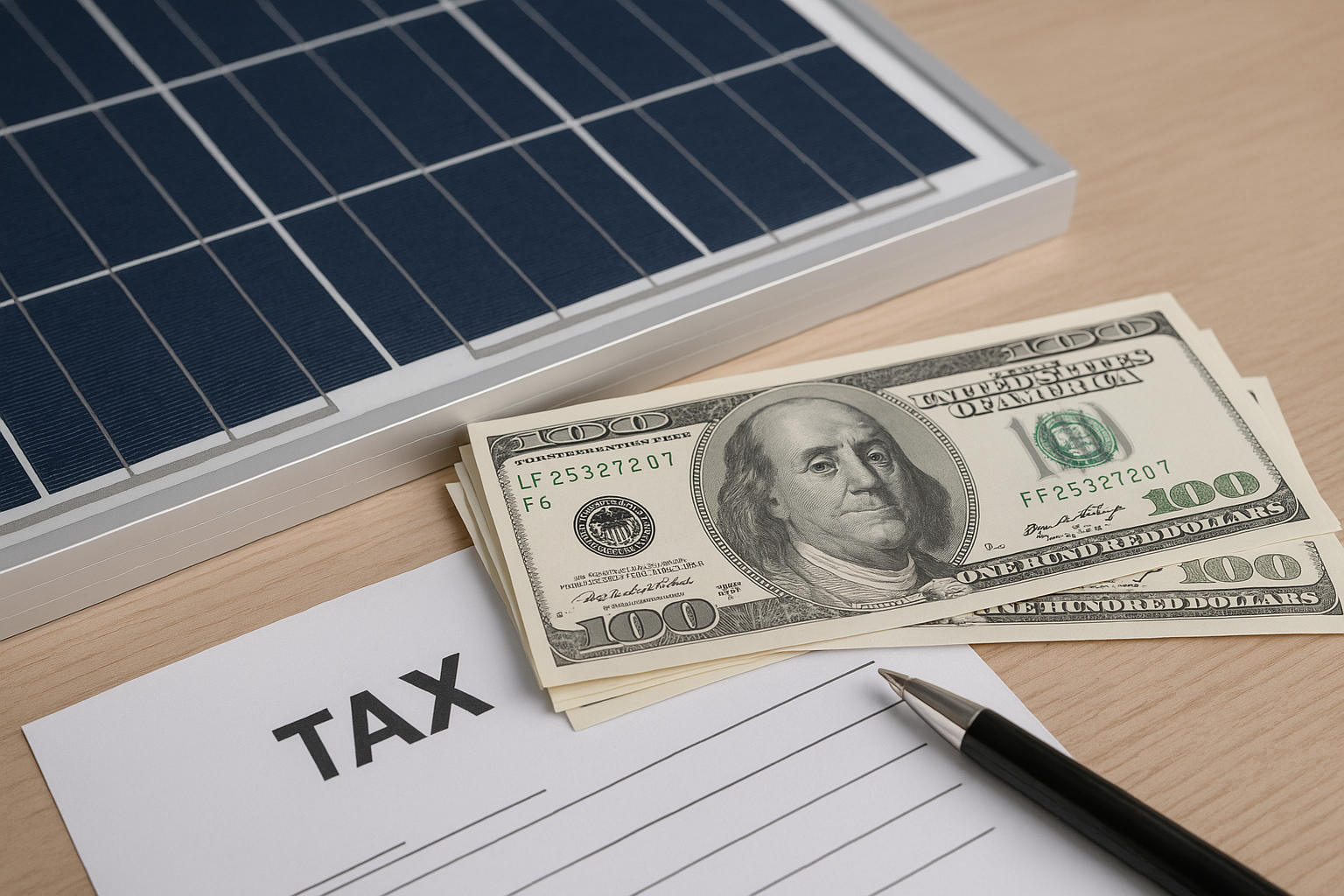
Understanding Federal Solar Tax Credits in the USA
Many homeowners and business owners have increasingly considered solar panel installations as a viable option for reducing energy costs and promoting environmental sustainability. However, one of the significant considerations in this decision-making process is understanding the financial incentives available, specifically the federal solar tax credits offered in the United States.
What Are Federal Solar Tax Credits?
Federal solar tax credits are incentives provided by the U.S. government aimed at encouraging the adoption of solar energy systems. These credits reduce the tax liability of individuals or businesses that purchase and install solar panel systems. Essentially, they make solar energy systems more affordable by decreasing the net cost of installation.
How Do Solar Tax Credits Work?
The federal solar tax credit, also known as the Investment Tax Credit (ITC), allows you to deduct a percentage of the cost of installing a solar energy system from your federal taxes. The ITC applies to both residential and commercial systems, with no maximum limit on its value.
For instance, if you install a solar panel system costing $20,000, and the tax credit rate is 30%, you can deduct $6,000 from your federal tax return. If your tax liability is less than $6,000, the credit can often be rolled over to the following tax years, subject to certain conditions.
The Current Status and Future of Solar Tax Credits
As of 2026, the ITC provides a tax credit of 30% for residential and commercial solar systems. It is crucial for interested parties to stay updated on these figures as the tax credit percentages are subject to change based on new legislation.
Here are the projected schedules for the solar ITC:
- 2026: 30% for residential and commercial properties.
- 2027: Scheduled to decrease as per legislative updates; readers are encouraged to verify current rates for upcoming years.
Eligibility Requirements for the ITC
To qualify for the federal solar tax credit, the following criteria typically need to be met:
- The solar PV system must be installed between January 1, 2006, and December 31, 2026.
- The system must be located in the United States.
- The system must be new and original.
- Evident ownership of the solar system rather than a lease agreement.
For businesses, additional considerations such as depreciation can apply, further affecting the overall benefit received from the credits.
Common Questions About Solar Tax Credits
Do Solar Tax Credits Work with Leasing or Power Purchase Agreements?
No, solar tax credits do not apply if you are leasing the solar panel system or have entered a Power Purchase Agreement (PPA) with a solar provider. In these arrangements, the provider owns the system, not the homeowner or business owner, thereby disqualifying them from claiming the ITC.
Can You Claim the ITC on Rental Properties?
Yes, you can claim the ITC on rental properties; however, the rules are slightly more complex. The credit can often be claimed if the system is used to provide electricity for the property owners’ personal use for a portion of the year. It's important to consult with a tax professional to navigate these specifics accurately.
Real-World Examples of ITC Benefits
To illustrate, let's consider the Johnson family in California, who installed a solar panel system worth $45,000 in 2025. With the ITC in place, they were eligible for a $13,500 reduction on their federal taxes, significantly decreasing their overall installation cost.
Another example is Greenworks, a small business that decided to go solar with a $100,000 system. They benefited from a $30,000 tax credit, showcasing how businesses can leverage ITCs to make substantial investments in renewable energy feasible.
Conclusion: Moving Towards a Sustainable Future
The federal solar tax credits make going solar a more accessible and financially viable option for both individuals and businesses across the United States. As we progress towards a more sustainable future, these incentives play a critical role in motivating environmentally conscious decisions.
For anyone considering making the shift to solar energy, now is an opportune time to explore the potential of these generous tax incentives.
For further information, please refer to reputable sources such as the U.S. Department of Energy and the Internal Revenue Service (IRS) websites for the most current updates and detailed guidelines.