Understanding Female External Catheters: Functionality and Benefits for Women
Discover the benefits of female external catheters in this insightful guide. Learn how these innovative devices work, offering a non-invasive solution for urinary management. Gain an understanding of who they help, from those with mobility issues to caregivers seeking a more comfortable alternative.
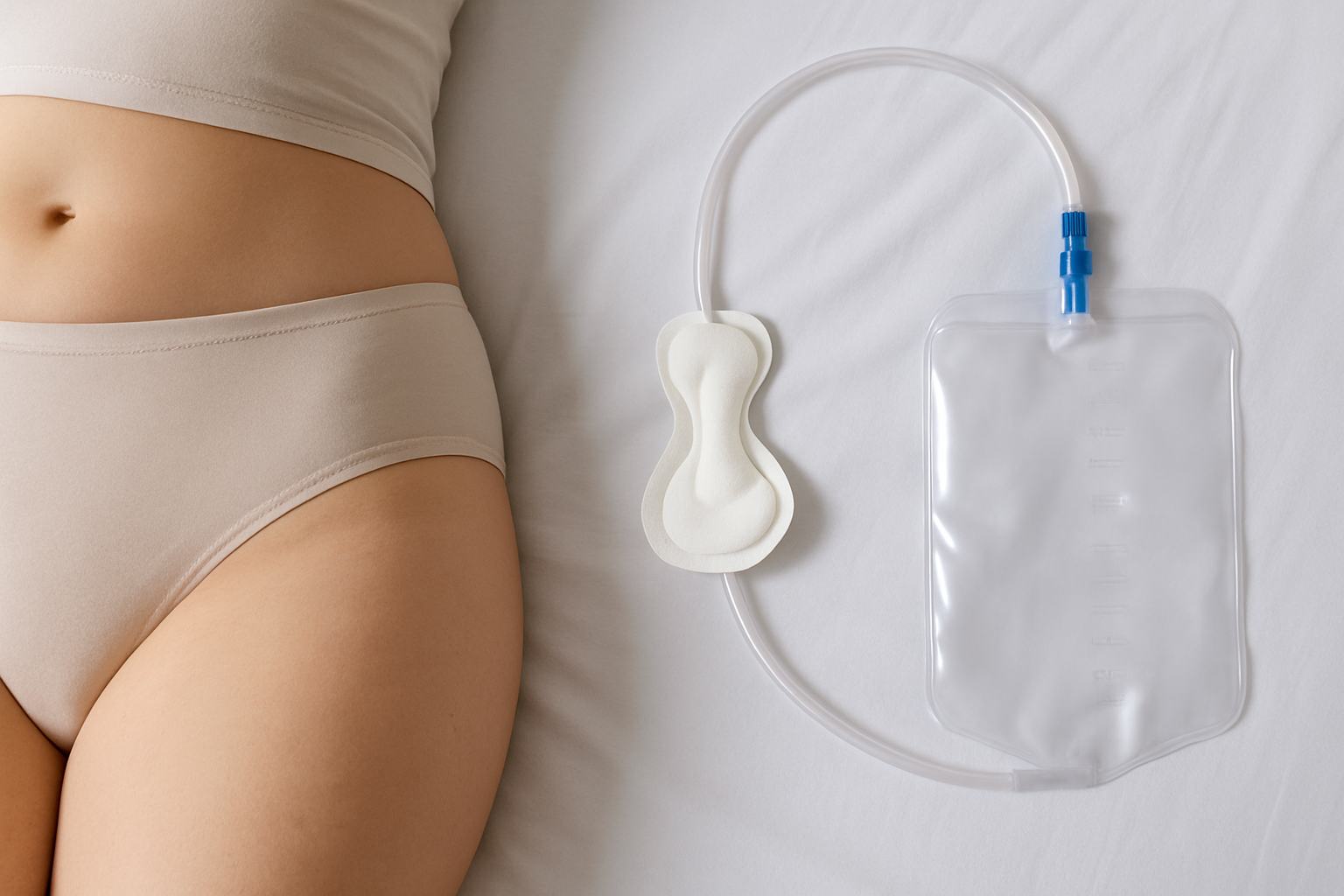
Understanding Female External Catheters
Female external catheters are a relatively new innovation in the world of medical devices, designed to provide a non-invasive alternative to traditional methods of managing urinary incontinence. They offer a dignified solution for women who experience urinary difficulties, reducing the risk of infection and discomfort associated with internal catheters. Let's explore how they work, who they can help, and their benefits.
How Do Female External Catheters Work?
Unlike internal catheters, which are inserted into the bladder through the urethra, female external catheters sit outside the body. They function by using a suction device and a pad or cup that fits between the labia to collect urine into a collection bag.
The device gently adheres to the external genital area, designed to capture urine without causing irritation. This makes them an ideal choice for patients who experience discomfort or recurrent urinary tract infections (UTIs) with traditional catheters.
Who Benefits from Female External Catheters?
Female external catheters are particularly beneficial for:
- Hospitalized Patients: Women who are bedridden or have limited mobility can use these devices to manage urinary incontinence without needing assistance to reach a bathroom.
- Elderly Women: They provide a comfortable and reliable solution for aging women facing mobility issues or cognitive decline.
- Post-Surgical Patients: After surgery, these catheters can help manage urine output when movement is restricted.
These catheters are part of a broader shift towards less invasive technologies in healthcare, designed to improve patient comfort and safety.
The Advantages of Female External Catheters
Reduced Risk of Infections
One of the biggest advantages of external catheters is the reduction in urinary tract infections. A study published in 2025 by the Journal of Infection Control found that external catheter use dramatically reduces catheter-associated urinary tract infection (CAUTI) rates by 50% compared to internal options.
Increased Comfort and Dignity
Patients often report a higher comfort level and dignity when using external catheters. This is crucial in long-term care settings where quality of life is paramount.
Ease of Use
The simplicity of using an external catheter, which often requires less frequent changing than internal types, makes it an attractive option for both healthcare providers and caregivers.
Considerations and Challenges
While female external catheters offer many benefits, there are considerations that must be addressed concerning their use:
Proper Fit and Secure Attachment
A secure fit is essential for effective use. Poor attachment can result in leaks or skin irritation. It's important to follow the manufacturer's instructions for fitting the catheter correctly to avoid these issues.
Patient Education
Educating patients and caregivers on the proper use and maintenance of external catheters is crucial. Training can ensure device effectiveness and user comfort, thus maximizing the benefits of the technology.
Future Outlook
The market for external catheters is growing as technology advances and awareness increases. A report from the Global Urinary Catheters Market in 2026 suggested a significant rise in demand for female external catheters. This is driven by the aging population and a broader acceptance of non-invasive medical devices.
As innovations in materials and design continue, these devices will likely become more effective, offering greater comfort and even more personalization options tailored to individual patient needs.
Conclusion
Female external catheters represent a significant step forward in managing urinary issues with dignity and comfort. As healthcare continues to embrace less invasive options, these devices will play an increasingly important role. For those considering an external catheter, consulting with healthcare providers can provide insights into whether this solution fits individual needs and circumstances.
For further reading and information, you can explore resources from the Centers for Disease Control and Prevention and the National Health Service.