Understanding FHA vs. Conventional Loans: A Clear Guide to Their Key Differences
Interested in home financing? Discover the primary distinctions between FHA versus conventional loans and learn how each impacts your mortgage journey. We'll cover essential factors from down payments to credit requirements and interest rates.
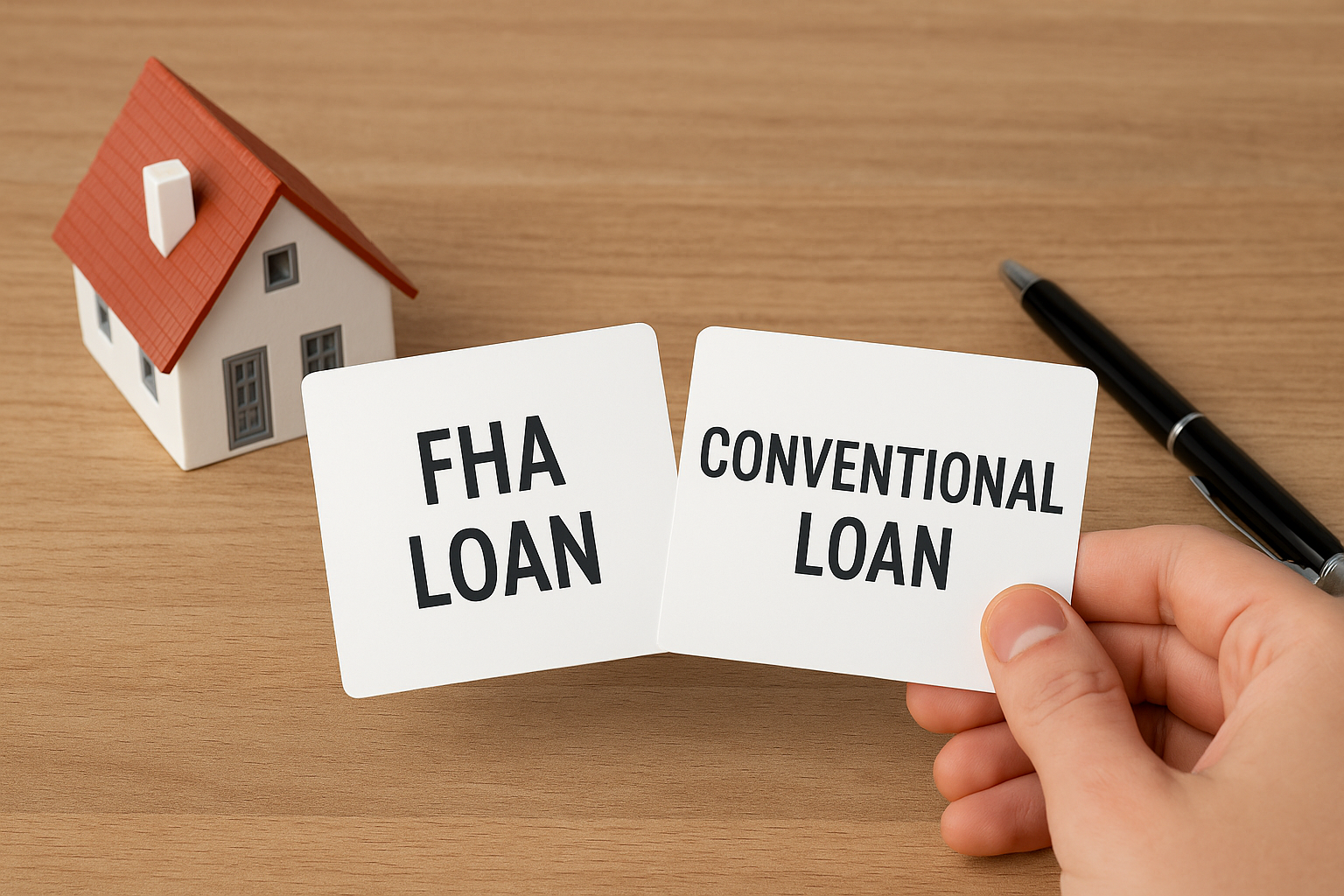
Understanding FHA Loans
The Federal Housing Administration (FHA) loan is a type of government-backed mortgage specifically designed to assist first-time homebuyers and those with less-than-perfect credit. Established during the Great Depression to stimulate the housing market, the FHA loan has become a popular option because of its flexible borrowing conditions.
Key Features of FHA Loans
- Lower Credit Requirements: One of the major advantages of an FHA loan is its flexible credit score requirement. You may qualify with a score as low as 500, but most lenders prefer a minimum of 580 to benefit from the low down payment option.
- Reduced Down Payments: With an FHA loan, you can make a down payment as low as 3.5% of the purchase price if your credit score is 580 or higher.
- Lenient Debt-to-Income Ratio: FHA loans often come with a higher allowance for debt-to-income ratios, enabling borrowers with more debt to qualify.
- Mortgage Insurance Premium: Borrowers are required to pay both an upfront and annual mortgage insurance premium, offering lenders protection against the risk of a borrower defaulting.
Exploring Conventional Loans
Conventional loans, unlike FHA loans, are not insured or guaranteed by the government. These are provided by private lenders and adhere to the guidelines set forth by Fannie Mae and Freddie Mac, two government-sponsored enterprises.
Key Features of Conventional Loans
- Higher Credit Requirements: Conventional loans generally require a credit score of at least 620. This means it's a better fit for borrowers with a stronger credit profile.
- Flexible Down Payment Options: Down payments can be as low as 3% for some buyers, but typically range from 5% to 20%. Higher down payments, however, eliminate the need for private mortgage insurance (PMI).
- No Upfront Mortgage Insurance: Unlike FHA loans, conventional loans do not require an upfront mortgage insurance premium. PMI can be canceled once 20% equity is achieved in the home.
- Potentially Lower Costs Without Insurance: Avoiding PMI after hitting 20% equity can reduce the overall cost of the loan.
Key Differences Between FHA and Conventional Loans
Credit Score and Eligibility
One of the biggest differences is the minimum credit score requirement. While FHA loans are more forgiving with credit scores, conventional loans usually demand a higher score. This distinction is crucial for potential homebuyers with lower credit scores who may struggle to qualify for conventional financing.
Down Payment and Mortgage Insurance
The difference in down payment requirements is significant. FHA loans offer the opportunity for a lower initial outlay, though this comes with ongoing mortgage insurance costs. In contrast, a conventional loan with a higher down payment can reduce or eliminate mortgage insurance costs over time. For example, if you buy a $250,000 home with 3.5% down using an FHA loan, you'll pay an upfront mortgage insurance premium of $4,375 plus annual premiums. Compare that to a conventional loan where, with a 20% down payment, you could entirely avoid PMI.
Loan Limits and Property Requirements
FHA loans often have slightly lower borrowing limits which can be restrictive in high-cost areas. Also, the properties need to meet certain conditions set by HUD, making it sometimes challenging for certain types of homes to qualify. Conversely, conventional loans don't have strict property conditions as long as the home meets safety standards, giving more freedom in choosing a property. [HUD Loan Limits]
Flexibility and Types of Homes
Conventional loans provide more flexibility in the types of homes you can purchase, including primary residences, investment properties, and vacation homes. FHA loans are typically used only for primary residences.
Which Loan is Right for You?
The decision between FHA and conventional loans often boils down to individual circumstances, including financial situation, future plans, and personal priorities.
Consider an FHA Loan If:
- You have a lower credit score and need to qualify for a mortgage.
- You can manage the upfront and ongoing mortgage insurance premiums.
- You're purchasing your first home or need a loan with lenient credit conditions.
Consider a Conventional Loan If:
- You have a strong credit score and can put down at least 5%.
- You want to avoid or eventually eliminate mortgage insurance costs.
- You plan to invest in, or purchase a second home.
Conclusion
Selecting between FHA and conventional loans is a choice that should be tailored to your financial situation and homeownership goals. Real estate markets vary widely, and two otherwise identical loans can end up looking quite different depending on local norms and policies. Consider consulting with a mortgage professional who can offer personalized advice tailored to your individual needs. Understanding both FHA and conventional loans ensures you're making an informed decision that aligns with your personal and financial situation as of 2026. [Consumer Financial Protection Bureau]
- https://www.fha.com/fha_loan_requirements
- https://www.nerdwallet.com/mortgages/learn/fha-loan-requirements
- https://www.nerdwallet.com/article/mortgages/fha-loan-requirements
- https://www.fha.com/define/fha-eligibility
- https://www.investopedia.com/ask/answers/082616/whats-difference-between-fha-and-conventional-loans.asp