Understanding Fire Damage Coverage in State Farm RV Insurance
Curious about RV coverage specifics? If you're wondering whether State Farm RV Insurance covers fire damage, you're not alone. Understanding the ins and outs of your policy is crucial.
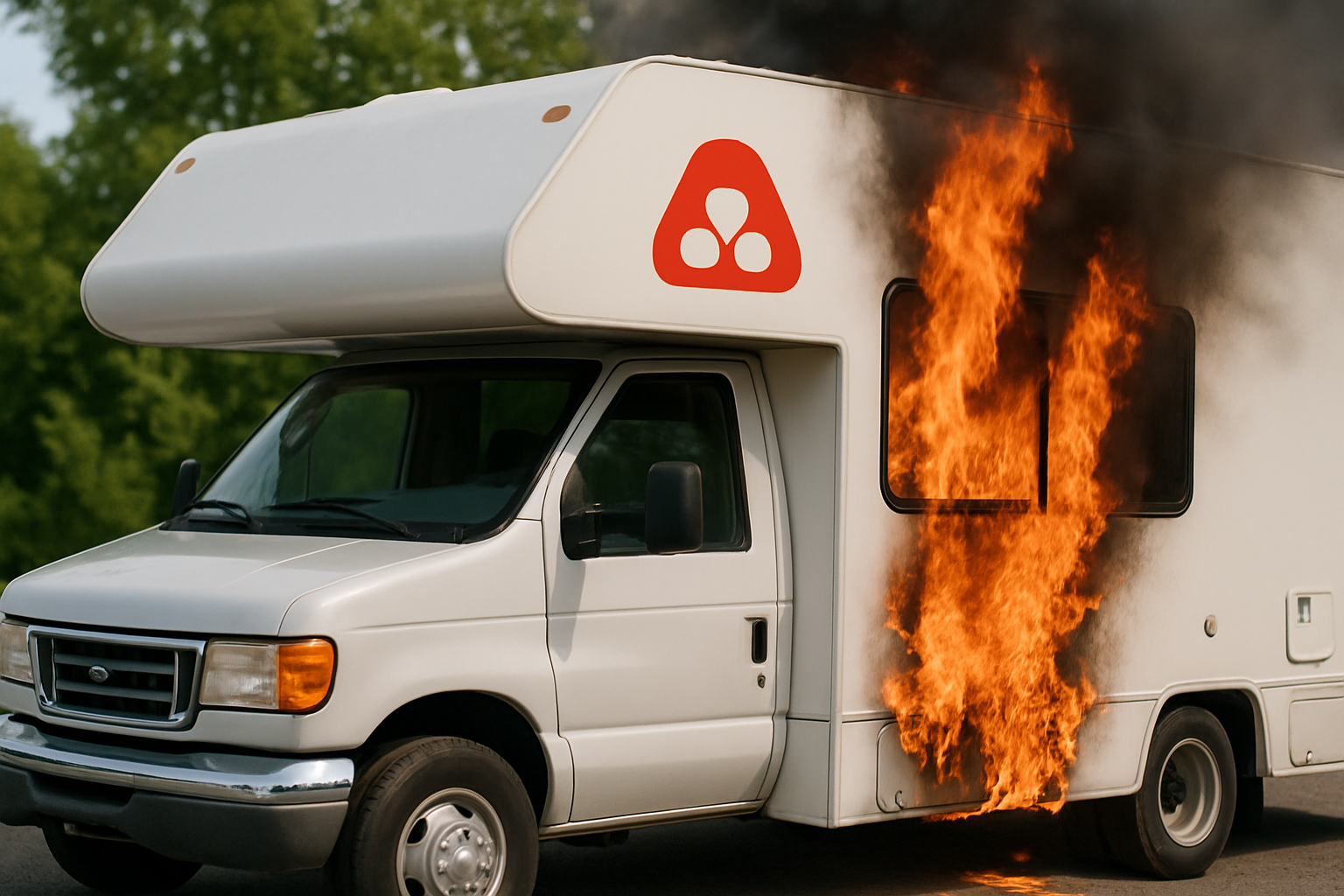
Understanding State Farm RV Insurance Coverage
When considering RV insurance, many RV owners focus on what types of damages are covered, especially those arising from accidents, natural disasters, or unforeseen incidents like fire. In line with this, a common question arises: "Does State Farm RV Insurance cover fire damage?" To provide a comprehensive response, it is crucial to first understand the fundamentals of what RV insurance typically includes and how State Farm structures its policies.
What is RV Insurance?
RV insurance is a specialized type of auto insurance designed specifically for recreational vehicles. These policies generally combine aspects of both auto and home insurance, given that RVs are used not only as vehicles but also as mobile homes. Coverage options can include liability, collision, comprehensive, and personal belongings, among others. According to the Insurance Journal, most RV insurance policies can be customized to fit the specific needs and usage patterns of the RV owner.
Status and Scope of Coverage
While coverage varies by provider and policy, a standard State Farm RV insurance policy typically encompasses:
- Liability Coverage: For damage or injuries caused by the RV owner to others.
- Collision Coverage: For damage sustained during accidents with other vehicles or objects.
- Comprehensive Coverage: For damage from non-collision events such as theft, vandalism, or natural disasters, which generally includes fire damage.
- Personal Effects Coverage: Protecting personal belongings inside the RV.
- Roadside Assistance: Offering help in case of breakdowns.
Does State Farm RV Insurance Cover Fire Damage?
For those asking specifically about fire damage, it’s essential to look at the comprehensive coverage component of the policy. Most State Farm RV Insurance policies do cover fire damage under their comprehensive coverage clause. This means that if a fire damages your RV, whether due to engine malfunction or an external cause such as a wildfire, the policy should typically cover the expenses associated with repair or replacement, subject to the policy limits and deductibles.
In 2026, incidents like the recent wildfires in various regions underline the importance of having fire damage insurance. Reportedly, these natural disasters have resulted in an increase of 5% in related insurance claims, as noted by the Insurance Information Institute. Therefore, choosing an insurance policy that includes fire damage is practical and necessary for RV owners.
Important Considerations
Before finalizing an insurance policy, RV owners should evaluate:
- Policy limits and deductibles for comprehensive coverage.
- Exclusions that might apply to fire damage.
- Additional riders or endorsements needed for full coverage.
- State Farm’s claim process and support services, which are crucial in disaster situations.
Considering these factors ensures that you are adequately covered and not left with unexpected out-of-pocket expenses.
Real-World Examples and Testimonials
Many RV owners have shared positive reviews about State Farm’s response to fire damage claims. For instance, a 2026 user forum cited a case where an RV owner, affected by a sudden vehicle fire due to a mechanical fault, was able to claim coverage for the damage. The process was smooth, thanks to the comprehensive coverage and proactive customer service from State Farm representatives.
Another testimony involved a family whose RV was caught in a wildfire zone in California last spring. They reported that not only was the damage covered, but State Farm’s roadside assistance facilitated their temporary accommodation and transportation, significantly easing the stress associated with the incident.
Tips for RV Owners
To maximize benefits from your RV insurance policy, consider these tips:
- Regularly review and update your policy to reflect any changes in the value of your RV or its contents.
- Conduct routine maintenance checks to reduce the risk of engine fires, which could potentially void parts of your insurance coverage if found to be caused by neglect.
- Store your RV in a secure location whenever possible to minimize exposure to natural hazards.
- Consult your insurance agent to explore coverage options and tailor a plan that best suits your needs.
Staying informed and proactive can greatly enhance your preparedness for incidents and help you navigate potential claims with ease.
Conclusion
State Farm RV insurance provides valuable protection, including against fire damage, making it a worthwhile consideration for any RV owner. Understanding your policy, including its comprehensive coverage and potential exclusions, is crucial in ensuring that you are adequately safeguarded. Whether dealing with minor incidents or major natural disasters, having robust insurance coverage can offer invaluable peace of mind on your travels.
For further information and to get a personalized RV insurance quote, visiting the State Farm official website or contacting a local agent is recommended.
https://www.statefarm.com/insurance/motorhomes
https://www.statefarm.com/insurance/travel-trailers
https://www.statefarm.com/insurance/quotes