Understanding Foamy Urine: What It Could Mean for Your Kidneys
Noticing foamy urine in the toilet bowl can be alarming, and you're right to wonder if it's connected to your kidney health. While it *can* be a sign of protein in the urine—a key indicator of kidney trouble—it’s often caused by something completely harmless, like a fast stream or mild dehydration.
Understanding Foamy Urine: What's Normal and What's Not?
Noticing foam in the toilet bowl after you urinate can be unsettling, and it's a phenomenon that often leads people to search for answers online. The first thing to understand is the difference between bubbly urine and foamy urine. Bubbly urine is common and usually consists of a few larger bubbles that dissipate quickly. This is often just a result of a fast urine stream hitting the water.
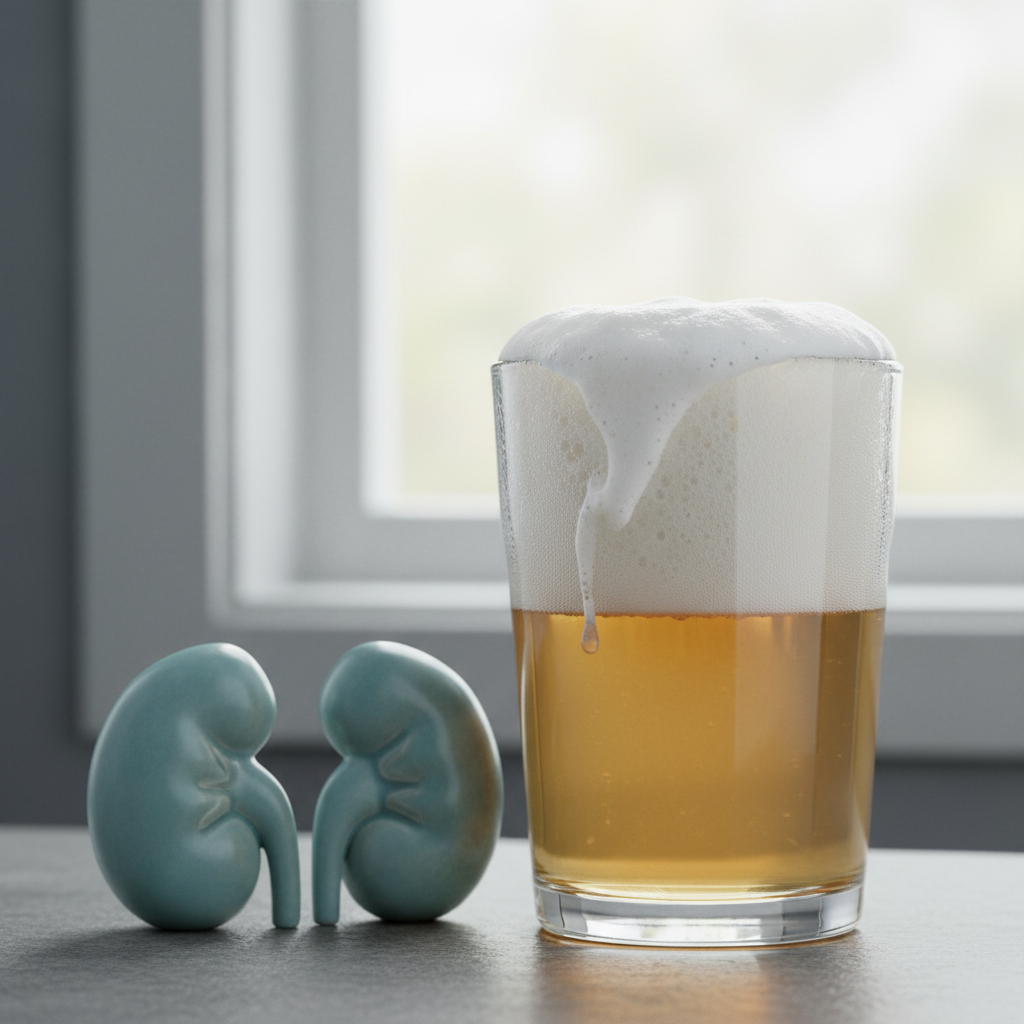
Foamy urine, on the other hand, tends to look more like the head on a beer. It consists of many small, tight bubbles that form a noticeable layer and, most importantly, take a long time to disappear. While a single instance of foamy urine might not be a cause for concern, if you notice it consistently over several days or weeks, it’s worth paying closer attention to the potential causes.
Common, Harmless Causes of Foamy Urine
Before jumping to serious conclusions, it's important to know that several benign factors can lead to foamy-looking urine. In many cases, the cause is simple and easily explainable.
Dehydration
When you don't drink enough water, your urine becomes more concentrated. This means it contains a higher concentration of waste products, such as urea and other compounds. Highly concentrated urine is often darker in color and can appear foamy when it hits the toilet water. This type of foam should resolve once you rehydrate by increasing your fluid intake. It's one of the most frequent and least concerning reasons for foamy urine.
Speed and Force of Urination
Sometimes, the explanation is purely mechanical. If you have a very full bladder and urinate with a strong, fast stream, you are essentially forcing a liquid into a basin of water at high speed. This process can trap air, creating bubbles and foam, much like turning on a faucet at full blast. This foam typically clears up within a minute or two and isn’t a sign of an underlying health problem.
Toilet Cleaning Products
Have you recently cleaned your toilet? Many toilet bowl cleaners contain chemicals called surfactants, which are designed to reduce the surface tension of water to help with cleaning. When your urine stream hits water that has residual cleaning product in it, a chemical reaction can occur that produces foam. If you suspect this is the cause, try flushing the toilet once before you use it to see if the foam still appears.
Semen in Urine
For men, a small amount of semen can sometimes remain in the urethra after sexual activity and mix with urine during the next urination, causing a foamy appearance. Additionally, a condition called retrograde ejaculation, where semen enters the bladder instead of emerging from the penis during orgasm, can also cause foamy urine. This condition is more common in men with certain medical conditions like diabetes or who have had prostate surgery.
When Foamy Urine Could Signal a Medical Issue
While many causes are harmless, persistent foamy urine can be a sign that something more serious is going on, particularly with your kidneys. The primary function of the kidneys is to filter waste products from the blood while keeping essential substances, like protein, in your body.
Proteinuria: The Link to Kidney Disease
The most significant medical concern associated with foamy urine is proteinuria, which means there is an excess amount of protein in your urine. Healthy kidneys have tiny filters called glomeruli that prevent large molecules, like the protein albumin, from passing into the urine. When these filters are damaged, they can become leaky, allowing albumin and other proteins to escape from the blood into the urine.
When protein mixes with urine, it acts as a surfactant—much like soap—and reduces the surface tension of the urine. This is what creates the persistent, small-bubbled foam. Proteinuria is often one of the earliest signs of chronic kidney disease (CKD), which can be caused by conditions like uncontrolled high blood pressure and diabetes. If left unaddressed, progressive kidney damage can eventually lead to kidney failure.
Other Potential Medical Conditions
Beyond CKD, other issues can lead to proteinuria and foamy urine. Uncontrolled diabetes can lead to diabetic nephropathy (kidney disease), where high blood sugar levels damage the kidney's filters over time. Similarly, long-term high blood pressure puts immense strain on the arteries throughout the body, including those in the kidneys, causing damage that leads to protein leakage. Autoimmune diseases, such as lupus, can also attack and inflame the glomeruli, impairing their function.
How is the Cause of Foamy Urine Diagnosed?
If you have consistently foamy urine, especially if it's accompanied by other symptoms like swelling in your legs, hands, or face, it's a good idea to see a healthcare provider. A diagnosis typically starts with a simple, non-invasive test called a urinalysis.
During a urinalysis, a sample of your urine is tested for various substances. A dipstick test can give a quick reading on the presence of protein. If protein is detected, your doctor will likely order a more specific test, such as a urine albumin-to-creatinine ratio (UACR). This test measures the amount of albumin relative to creatinine (a waste product) in a single urine sample, providing a more accurate picture of protein leakage over 24 hours.
If these tests confirm significant proteinuria, your doctor may order blood tests to check your kidney function by measuring your estimated glomerular filtration rate (eGFR). In some cases, imaging tests like an ultrasound may be used to look at the structure of your kidneys.
Related Questions About Urine and Kidney Health
Understanding foamy urine often leads to other questions about kidney function and overall health. Here are a few related topics people frequently explore.
What Other Symptoms Accompany Kidney Disease?
Foamy urine is often an early sign of kidney issues, and it may appear before other, more noticeable symptoms develop. However, as kidney function declines, other signs may emerge. One of the most common is edema, or swelling, caused by the body's inability to remove excess fluid. This swelling is most often seen in the legs, ankles, feet, hands, and around the eyes.
Other symptoms of advancing kidney disease include persistent fatigue and weakness, a decreased appetite, nausea or vomiting, muscle cramps, changes in urination habits (urinating more or less often, especially at night), and dry, itchy skin. Because these symptoms can be subtle or attributed to other conditions, it's crucial to speak with a doctor if you experience them in combination, particularly with foamy urine.
Can Diet and Lifestyle Affect Foamy Urine?
Yes, diet and lifestyle can play a role, both directly and indirectly. While a typical diet won't cause proteinuria in someone with healthy kidneys, consuming extremely high amounts of protein could temporarily increase the workload on the kidneys. More importantly, lifestyle choices are critical for preventing the root causes of kidney disease. Managing blood pressure through a low-sodium diet and regular exercise is one of the best ways to protect your kidneys.
Similarly, if you have diabetes, keeping your blood sugar levels under tight control is essential for preventing kidney damage. Staying well-hydrated by drinking enough water helps your kidneys function properly and can prevent the harmless, temporary foam caused by dehydration. A balanced diet rich in fruits, vegetables, and whole grains supports overall health, including that of your kidneys.
Conclusion
So, does foamy urine mean you have kidney disease? Not necessarily. More often than not, the cause is something simple and harmless, like a fast urine stream, mild dehydration, or even the cleaner in your toilet bowl. These instances are usually temporary and resolve on their own.
However, foamy urine that is persistent and appears consistently over time should not be ignored, as it can be an early warning sign of proteinuria and underlying kidney damage. If your foamy urine is accompanied by other symptoms like swelling, fatigue, or changes in urination, it is especially important to consult a healthcare professional for a proper diagnosis. An early diagnosis can lead to better management and help protect your kidney health for the long term.