Understanding Full Coverage Auto Insurance: Everything You Need to Know about Its Necessity
Understanding full coverage auto insurance is crucial for any vehicle owner. But what exactly does it cover? In this insightful article, we explore the components of full coverage auto insurance and help you decide if it's right for you.
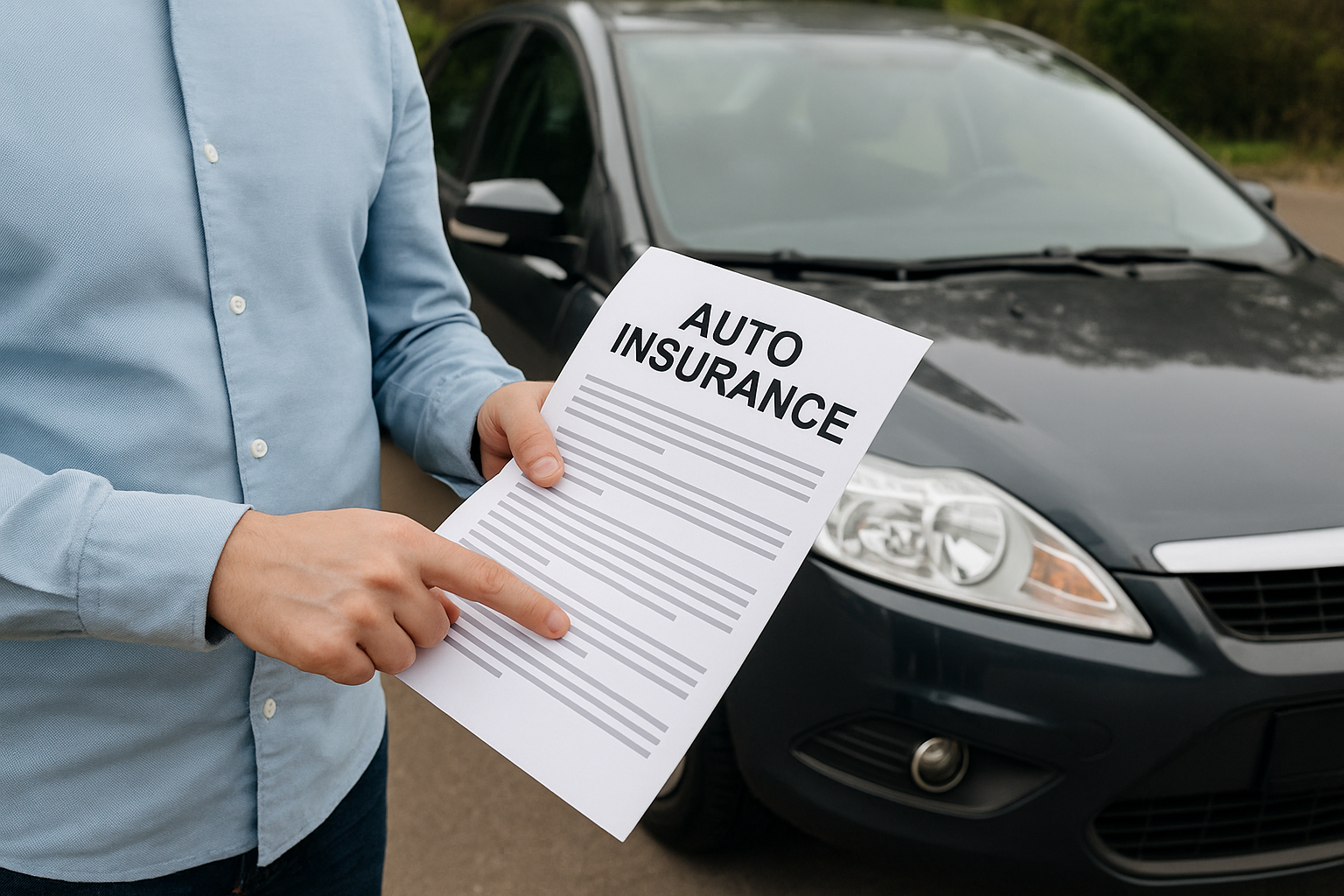
Understanding Full Coverage Auto Insurance
Full coverage auto insurance is a term often heard but sometimes misunderstood. Contrary to what the name suggests, full coverage doesn’t mean it covers every possible situation or damage that could occur to your vehicle. Instead, full coverage is a combination of different types of insurance that together provide a wider range of protection.
Typically, full coverage includes both liability insurance, which is mandatory in most states, and comprehensive and collision coverages, which are usually optional. Let’s delve deeper into each component to understand how they work together to form what is commonly known as full coverage.
Components of Full Coverage
- Liability Insurance: This covers expenses related to injuries or damages you cause to other people or property. It includes two main components: bodily injury liability and property damage liability.
- Comprehensive Coverage: This pays for damage to your vehicle that isn't caused by a collision. For example, damages from theft, vandalism, weather events, or hitting an animal.
- Collision Coverage: This covers damage to your car resulting from a collision, whether it involves another vehicle or an object like a tree or a guardrail.
Do I Need Full Coverage Auto Insurance?
Determining whether you need full coverage auto insurance depends on several factors. Here are some considerations to help decide:
State Requirements
Most states require at least liability insurance. However, full coverage isn't mandated by law. Instead, it's a personal choice, often influenced by your financial situation, the value of your vehicle, and your ability to pay out-of-pocket expenses in the event of an accident.
Lease or Loan Agreements
If you lease your car or have a loan, your lender will likely require you to carry full coverage. This protects their investment while you’re still paying off the vehicle.
Vehicle Value
The value of your car plays a significant role. If your car is new or particularly expensive, full coverage might be advisable. However, if it’s significantly depreciated, the cost of full coverage might outweigh the benefits.
Your Financial Situation
Consider your financial ability to repair or replace your car if you’re involved in an accident and at fault. Full coverage can provide peace of mind knowing that such expenses will be covered.
Real-World Applications and Examples
Imagine this scenario: You’re driving on a highway, and a deer suddenly darts in front of your vehicle. You end up hitting the deer, resulting in significant damage to your car. Here, comprehensive coverage would step in to cover the repairs.
In another instance, suppose you accidentally back into a pole while parking. Collision coverage would help cover the repair costs to your car. Without full coverage, you’d be responsible for these costs out-of-pocket.
Statistics and Trends
According to recent data from the Insurance Information Institute in 2026, the average annual cost for full coverage auto insurance in the U.S. is approximately $1,674. However, the actual cost can vary widely depending on several factors, including your driving record, vehicle type, location, and coverage limits.
A study by J.D. Power in 2026 found that individuals who bundle different types of insurance policies, like auto and home, can save up to 16% on premiums, which can make full coverage more affordable.
Conclusion
Full coverage auto insurance offers significant protection against a wide array of risks. However, it’s essential to weigh the cost against the potential benefits based on your specific circumstances. Assess your risk tolerance, vehicle value, and financial capacity to make an informed decision.
Ultimately, the peace of mind offered by full coverage might be worth the extra expense, especially if you’re looking to protect a valuable asset or want to ensure financial stability in unexpected situations.