Understanding Geico Homeowners Insurance: What Personal Property Is Covered
Are you curious if Geico homeowners insurance covers personal property? While standard policies often include some coverage for personal belongings, the specifics can vary. It’s essential to understand what Geico offers in their homeowners insurance to prepare for any situation.
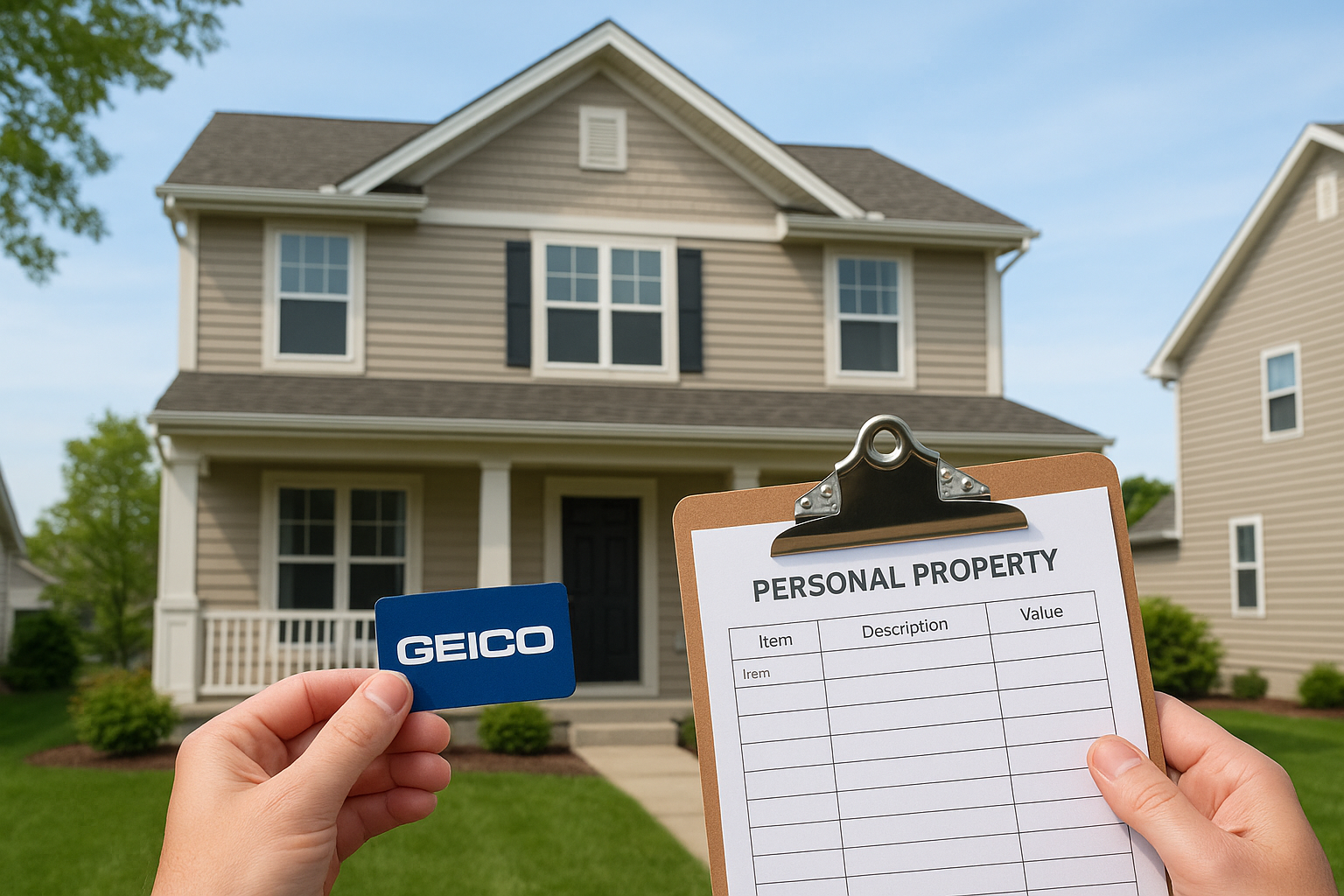
Understanding Geico Homeowners Insurance
Homeowners insurance is an essential investment for property owners, providing financial protection against various risks and liabilities. One of the popular insurers in this field is Geico, known for its competitive pricing and comprehensive coverage options. One of the key components of a homeowners insurance policy is coverage for personal property. But does Geico's homeowners insurance cover personal property effectively? In this article, we will explore this question in depth and provide valuable insights for homeowners considering Geico as their insurance provider.
Personal Property Coverage
What Does Personal Property Coverage Include?
Personal property coverage, often included in homeowners insurance policies, is designed to protect your personal belongings against perils such as fire, theft, vandalism, and certain natural disasters. This typically includes items like furniture, electronics, clothing, and even larger items like bicycles.
Geico's homeowners insurance generally includes personal property coverage, which reimburses you for the cost to repair or replace belongings that are damaged, destroyed, or stolen. Geico offers two types of coverage:
- Actual Cash Value (ACV): This coverage reimburses the policyholder for the cost of the item minus depreciation.
- Replacement Cost Coverage: This pays the amount needed to replace the item with a new one of similar kind and quality without deducting for depreciation.
How Much Coverage Do You Need?
The appropriate amount of personal property coverage can vary greatly depending on individual needs. It is crucial to take a comprehensive inventory of your belongings and assess their value. Many experts recommend setting coverage limits between 50% to 70% of the home's total insured value. For tailored advice, Geico provides guidance on determining adequate coverage amounts to suit different lifestyles and household sizes.
Factors Affecting Personal Property Coverage
Policy Limits and Exclusions
While Geico provides robust personal property coverage, there are limits and exclusions to be aware of. Typically, high-value items such as jewelry, fine art, and collectibles might have sub-limits, meaning they could require additional coverage or riders. Be sure to review your policy details with a Geico representative to understand these specifics and consider purchasing endorsements if needed.
Deductibles
Like many insurance products, claims on personal property are subject to deductibles. The deductible is the amount you must pay out-of-pocket before your insurance coverage kicks in. Geico offers various deductible options which can influence your premium rates — higher deductibles generally lower premium costs but increase the amount one must pay when filing a claim.
Does Geico Cover Special Circumstances?
Natural Disasters
Geico's standard homeowners insurance policy includes protection from damage due to some natural disasters, but not all. For instance, damage from earthquakes and floods is typically excluded. Homeowners may need to purchase separate flood insurance or a specific endorsement for earthquake coverage. According to recent data in 2026, close to 90% of catastrophic property losses were due to natural events, highlighting the importance of comprehensive coverage.
Geico provides information and resources to help assess your risk level for such events and recommends additional protection based on geographic location.
Theft and Vandalism
Personal property coverage through Geico usually protects against theft and vandalism both inside and away from the home. For example, if a laptop is stolen from your car or a hotel room, your policy could help recover the loss. It's crucial to document such incidents with police reports and photographic evidence to smooth the claims process.
How to File a Claim with Geico
Filing a claim for personal property with Geico can be straightforward. Here’s a step-by-step guide:
- Report the incident to the authorities such as police, if applicable.
- Contact Geico promptly via their online claims system or customer service phone line.
- Provide necessary documentation including receipts, photographs, and relevant reports.
- Work with assigned claims adjuster to assess damage and calculate reimbursement.
Geico offers resources and support throughout the claims process, ensuring policyholders understand each step and their rights under the policy.
Conclusion
Understanding the specifics of Geico's homeowners insurance and personal property coverage helps ensure your possessions are adequately protected. With careful planning and knowledge of policy options and additional endorsements, homeowners can tailor their insurance to best fit their needs. As the insurance landscape evolves, staying informed through resources such as Geico's customer service or Insurance Information Institute can provide important insights into protecting your valuable assets.
https://www.geico.com/homeowners-insurance/
https://www.geico.com/information/aboutinsurance/homeowners/
https://www.geico.com/save/discounts/
https://www.geico.com/save/discounts/multi-policy-insurance-discount/
https://www.geico.com/homeowners-insurance/policyholder/
https://www.geico.com/information/aboutinsurance/homeowners/how-to-file-home-insurance-claim/