Understanding GLP-1 Medication Options Through CVS Pharmacy: A 2026 Self-Pay Guide
Explore the potential changes in accessing GLP-1 medications through CVS Pharmacy by 2026 with this insightful self-pay overview. Understand how shifts in healthcare policies could affect availability and pricing.
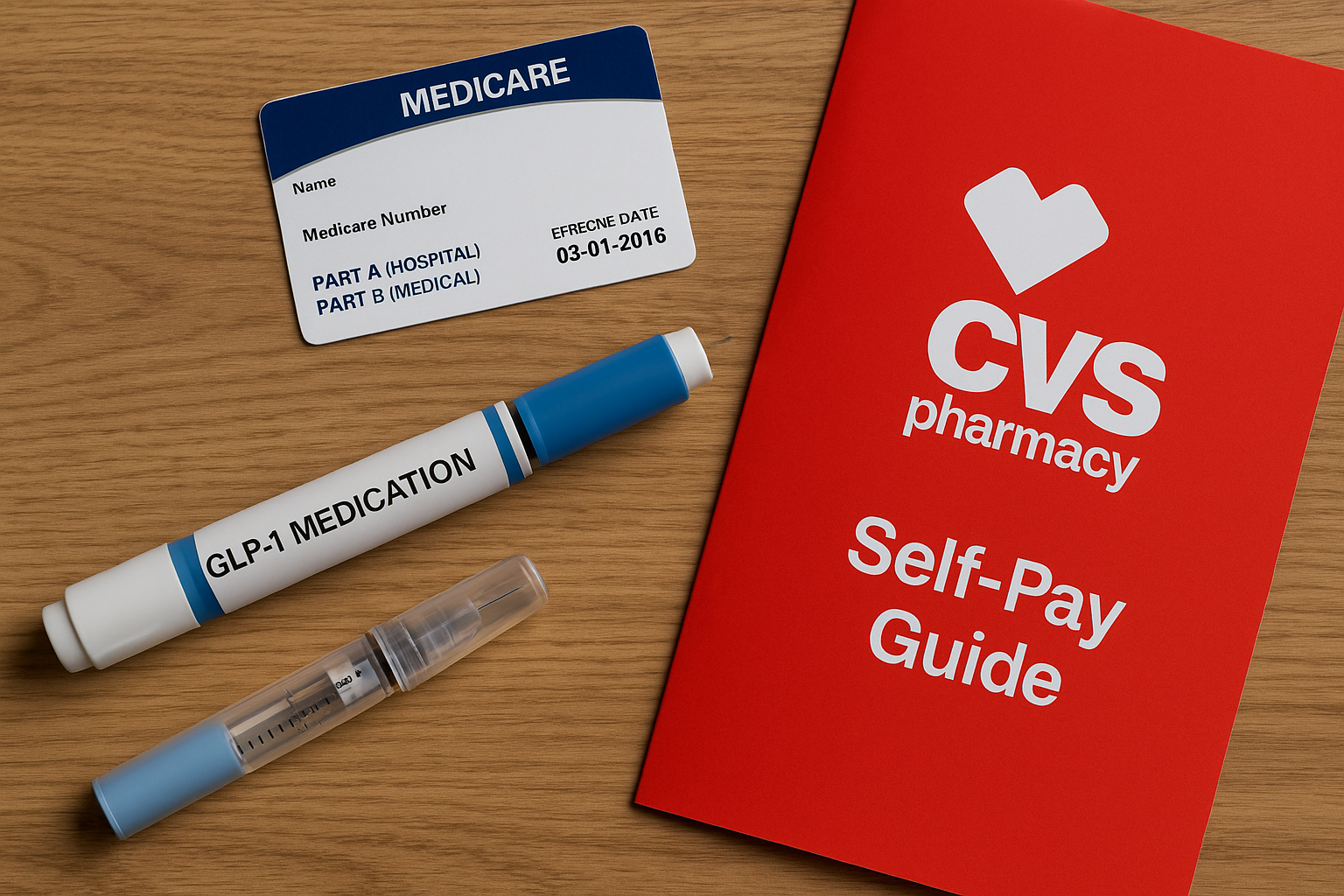
Understanding GLP-1 Medications and Their Role in Health Management
GLP-1, short for glucagon-like peptide-1, is a hormone that plays a crucial role in regulating blood sugar levels and appetite. Medications that mimic this peptide, known as GLP-1 receptor agonists, have garnered attention for their effectiveness in managing conditions like type 2 diabetes and, more recently, for their potential in aiding weight management. By understanding how these medications work, patients and healthcare providers can make informed decisions about their potential use.
What Are GLP-1 Receptor Agonists?
GLP-1 receptor agonists are a class of drugs designed to mimic the GLP-1 hormone, which stimulates insulin production when blood glucose levels are high. This class of drugs helps in lowering blood sugar levels, reducing appetite, and slowing gastric emptying. Popular GLP-1 medications include liraglutide (Saxenda, Victoza), semaglutide (Ozempic, Wegovy), and dulaglutide (Trulicity).
- Liraglutide (Saxenda, Victoza): Initially approved for diabetes management, it is also used in higher doses for obesity treatment.
- Semaglutide (Ozempic, Wegovy): An option for both weekly diabetes control and chronic weight management.
- Dulaglutide (Trulicity): Primarily used to improve blood sugar in those with type 2 diabetes.
The Role of CVS Pharmacy in GLP-1 Access and Distribution
CVS Pharmacy has become a pivotal player in the distribution and accessibility of GLP-1 medications. As one of the largest pharmacy chains in the United States, CVS offers a platform for patients to obtain these medications with convenience and efficiency. This includes providing consultations on their use, potential side effects, and the monitoring of health indicators.
Why Choose CVS for GLP-1 Medications?
- Comprehensive Pharmacist Support: CVS pharmacists are trained to assist with medication management and provide personalized advice based on the latest health guidelines.
- Insurance Coordination: CVS works with various insurance plans to help manage costs, though understanding self-pay options remains critical for those uninsured.
- Convenience of Access: With thousands of locations, CVS offers easy access to essential medications for patients nationwide.
Self-Pay for GLP-1 Medications Through CVS in 2026
Not all patients have insurance coverage that includes GLP-1 medications, making self-pay a necessary option. Understanding the ins and outs of self-pay is key to managing costs effectively while accessing the care patients need.
Cost Considerations for Self-Pay Patients
The price of GLP-1 medications without insurance can be substantial, with costs varying depending on the drug and dosage prescribed. Patients should be prepared for monthly costs ranging from $500 to $1,000. CVS offers programs and discounts that can sometimes help lower these expenses.
Here are some strategies to manage costs effectively when paying out-of-pocket:
- Coupon Programs: Many pharmaceutical companies provide discount coupons for their medications, which can significantly decrease the out-of-pocket expense.
- Generic Options: Stay informed about potential generic alternatives that can offer similar therapeutic benefits at a lower cost.
- Membership Discounts: CVS offers membership programs that might include savings on prescriptions.
Patient Assistance Programs
Pharmaceutical companies often have assistance programs for individuals who cannot afford their medications. These require application and proof of financial need but can cover a significant portion of drug costs.
Future of GLP-1 Medications and Patient Care
The landscape of GLP-1 medications is evolving, with ongoing research and new developments anticipated in the coming years. The expansion in potential therapeutic uses of GLP-1 receptor agonists beyond diabetes management, especially in the realm of obesity and metabolic syndrome, shows promise for broader health applications.
Innovations on the Horizon
- Research on Cardiovascular Benefits: Emerging studies suggest potential cardiovascular benefits of GLP-1 medications, which could lead to more inclusive health guidelines.
- More Efficient Delivery Methods: Investigations into oral GLP-1 options aim to improve patient compliance and experience by offering alternatives to injections.
- Integration in Comprehensive Care Programs: As the efficacy and safety of GLP-1s are established, they are increasingly integrated into holistic care strategies addressing lifestyle and health management.
Reliable sources on healthcare developments, such as the Healthline and American Diabetes Association, provide up-to-date information and support further learning about GLP-1s and their impact on health.