Understanding Government Home Loan Options for Disabled Individuals
Discover the various options available for government home loans for disabled people. This guide explores eligibility criteria, application processes, and the types of assistance provided.
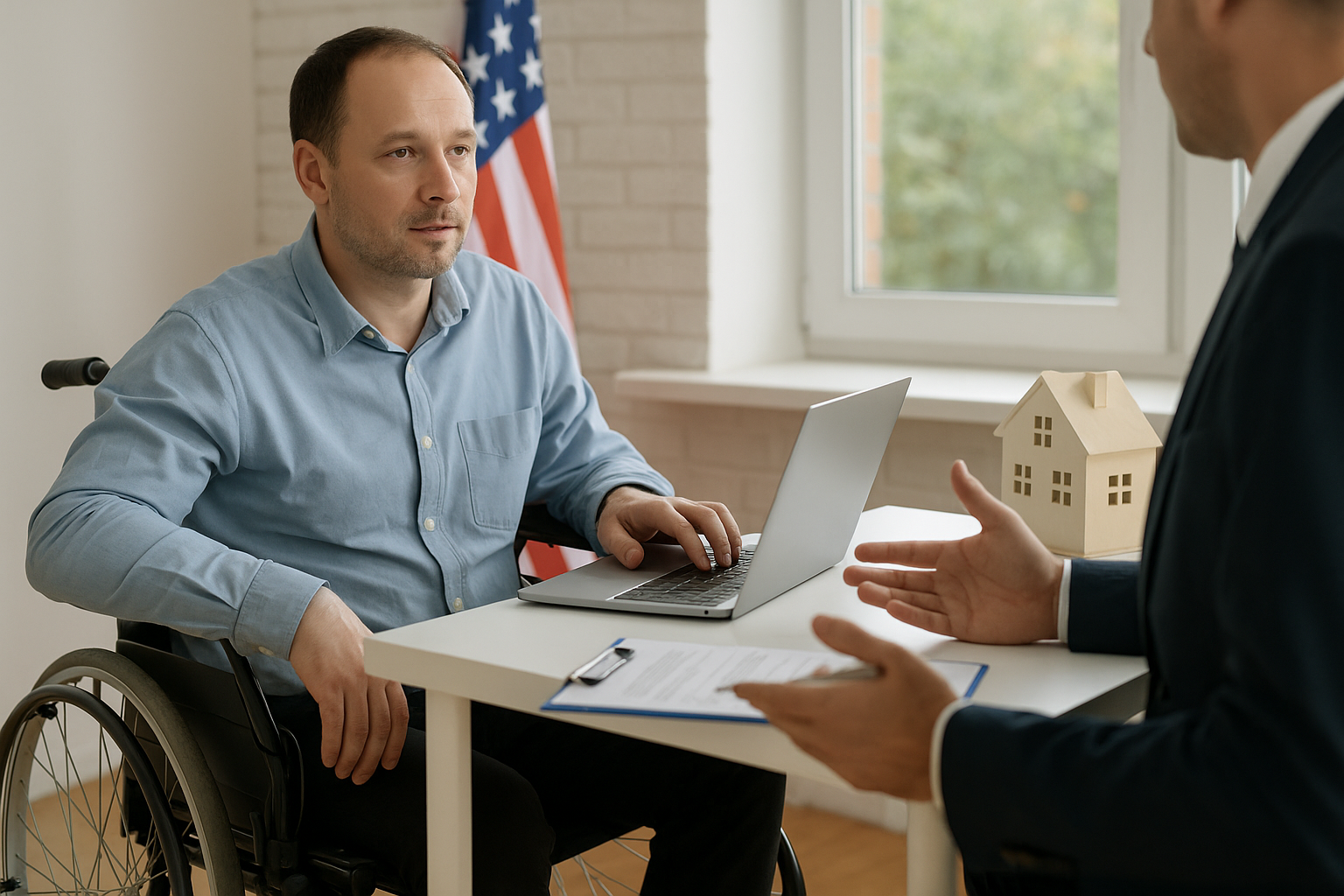
Understanding Government Home Loans for Disabled Individuals
For individuals with disabilities, the journey to homeownership can present unique challenges, both financially and logistically. Fortunately, several government-backed programs exist to assist disabled individuals in purchasing a home. This article outlines these options, explaining each in detail to help potential homeowners make informed decisions.
Why Special Home Loans Matter for Disabled Individuals
The barriers to homeownership for disabled individuals can be compounded by limited income and the necessity for accessible housing. Government home loans developed for disabled people address these issues, offering favorable terms like lower interest rates, reduced down payments, and easier qualification criteria.
Exploring Government Programs for Disabled Homebuyers
The government offers multiple programs designed to assist individuals with disabilities in acquiring a home. Below, we break down some of the most prominent options available in 2026.
FHA Loans and the Housing Choice Voucher Program
FHA Loans: The Federal Housing Administration (FHA) provides mortgages that require low down payments and have flexible qualification criteria. These loans are not specifically for disabled individuals but can significantly benefit those with limited income or credit challenges.
- Down payments as low as 3.5%.
- Acceptance of lower credit scores compared to conventional loans.
- Opportunity to include rehabilitation costs in the loan through the FHA 203(k) program.
Housing Choice Voucher (HCV) Homeownership Program: Managed by the Department of Housing and Urban Development (HUD), this program allows those receiving rental assistance to apply voucher funds toward homeownership. It's tailored for low-income families, including those with disabled members.
VA Home Loans for Disabled Veterans
Veterans with disabilities related to their service can access special benefits through the U.S. Department of Veterans Affairs (VA) home loan programs.
- No down payment required for eligible veterans.
- No private mortgage insurance (PMI) needed.
- Potentially lower interest rates compared to standard loans.
Disabled veterans may also be eligible for additional support through the Specially Adapted Housing (SAH) grant, which offers financial assistance to adapt homes to meet their accessibility needs.
Financial Assistance Beyond Home Loans
Beyond securing a mortgage, disabled individuals can also look into various financial assistance programs that can provide help with down payments, closing costs, and home modifications.
State and Local Level Programs
Many states have their own programs that provide grants and loans tailored to residents with disabilities. These programs can vary widely but offer crucial support that complements federal loan options.
- Down Payment Assistance (DPA) Programs: These programs provide partial or full coverage of down payments, sometimes without repayment requirements if residency conditions are met.
- Home Modification Grants: State-level grants help pay for necessary home adjustments such as wheelchair ramps, bathroom alterations, or broader doorways.
Navigating the Application Process
Applying for government-backed home loans and grants can feel overwhelming without the right guidance. Below are steps to help streamline the process.
Determine Eligibility
Before applying, check specific eligibility requirements for each program. Key factors often include income limits, credit requirements, and disability status. Utilize resources like HUD's official website or consult with local housing agencies for accurate information.
Organize Necessary Documentation
Documentation is critical for the smooth processing of loan applications. This typically includes:
- Proof of income and employment.
- Credit reports.
- Verification of disability status if needed.
Consult with a Housing Counselor
Engaging with a HUD-approved housing counselor can provide invaluable guidance. They can ensure that applicants understand their options and choose the best path tailored to their circumstances.
Conclusion: Your Path to Homeownership
Government home loans provide a lifeline for disabled individuals aspiring to purchase a home, offering financial benefits and tailored programs. By leveraging these resources and carefully navigating the application process, disabled homebuyers can attain financial security and independence through homeownership.
To learn more about the available options, explore resources like the Federal Student Aid, Housing Assistance Council, and other organization websites dedicated to promoting accessible housing for all.
https://www.va.gov/housing-assistance/home-loans/eligibility/
https://www.va.gov/housing-assistance/home-loans/
https://www.va.gov/housing-assistance/disability-housing-grants/
https://www.usa.gov/government-home-loans
https://www.rocketmortgage.com/learn/mortgages-home-loans-people-with-disabilities
https://themortgagereports.com/31507/best-programs-for-getting-a-mortgage-with-a-disability
https://www.fha.com/fha_article?id=967
https://www.fha.com/fha_article?id=627
https://www.amerisave.com/learn/essential-home-loan-programs-for-people-with-disabilities-in
https://www.nashdisabilitylaw.com/if-you-are-receiving-disability-benefits-you-can-buy-a-home/
https://www.cuddiganlaw.com/library/question-of-the-month-can-i-buy-a-house-on-ssdi-or-ssi-.cfm
https://az.db101.org/az/situations/workandbenefits/homeownership/program2a.htm
https://www.ablenrc.org/wp-content/uploads/2024/07/ABLE-Homeowership-Guide.pdf