Understanding Hair Loss: Could a Vitamin Deficiency Be the Cause?
Noticing more hair in your brush can be alarming, and you're right to suspect a nutritional gap could be the cause. While several factors contribute to thinning hair, a lack of specific vitamins and minerals is one of the most common—and often reversible—culprits.
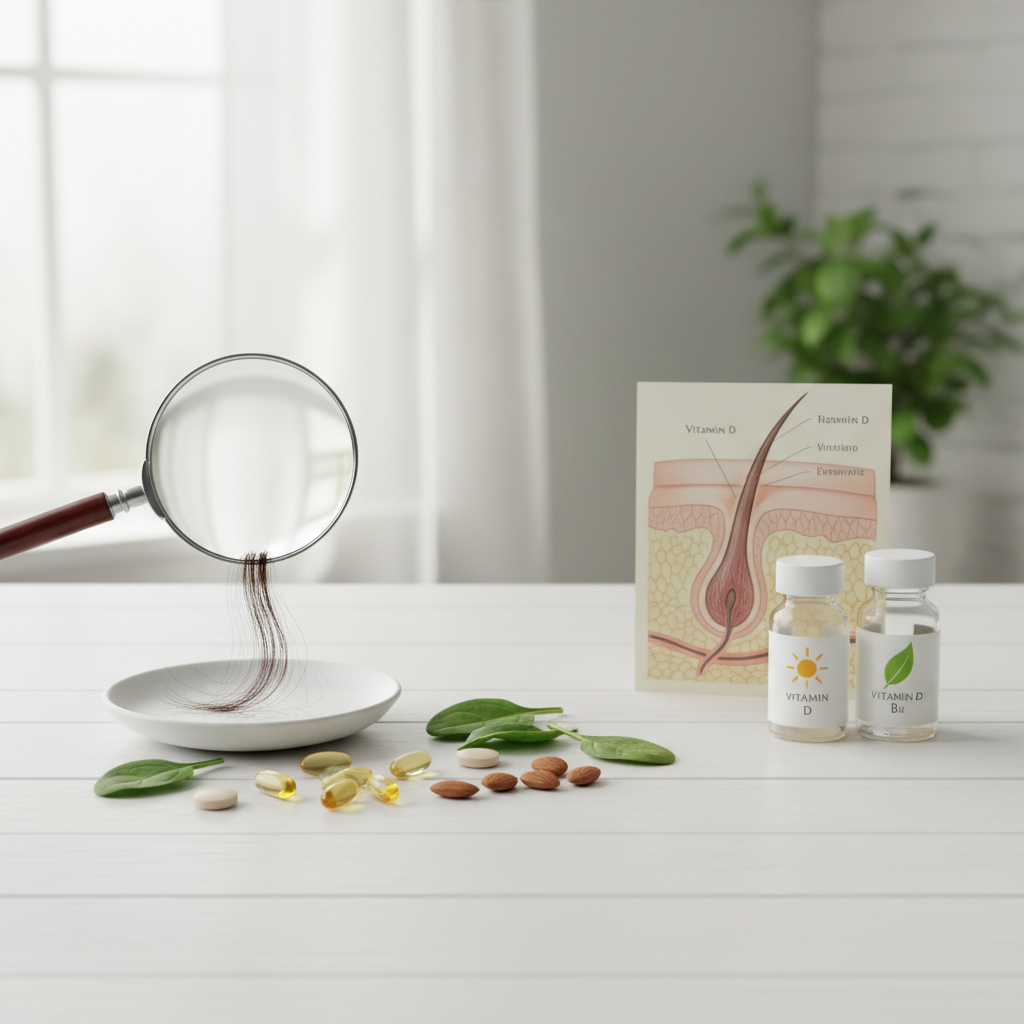
Key Vitamins and Nutrients Linked to Hair Loss
Seeing more hair in your brush or shower drain can be alarming. While many factors contribute to hair loss, from genetics to stress, one of the most common and correctable causes is a nutritional deficiency. Your hair follicles are highly active and require a steady supply of specific vitamins and minerals to grow strong, healthy hair. When you're lacking in these essential nutrients, your body often prioritizes other vital functions, leaving your hair to suffer. Here’s a detailed look at the key vitamins and minerals that, when deficient, can lead to hair falling out.
1. Iron
Iron is one of the most critical minerals for hair health, and its deficiency is a well-known cause of hair loss, particularly in women. Iron is a core component of hemoglobin, the protein in your red blood cells responsible for carrying oxygen to all your body's cells, including the hair follicles. Without adequate oxygen and nutrients, hair follicles cannot function optimally, leading to a type of shedding known as telogen effluvium. This condition pushes more of your hair into the resting (telogen) phase of the hair growth cycle, resulting in noticeable thinning.
A doctor will typically check your ferritin levels, which is the protein that stores iron in your body. Low ferritin is a classic sign that your iron stores are depleted, even if you aren't fully anemic yet. To boost your iron levels, focus on incorporating iron-rich foods into your diet. Heme iron, found in animal products like red meat, poultry, and fish, is more easily absorbed. Non-heme iron can be found in plant-based sources like lentils, spinach, tofu, and fortified cereals. Pairing these with a source of Vitamin C can significantly enhance absorption.
2. Vitamin D
Often called the "sunshine vitamin," Vitamin D plays a crucial role in stimulating new and old hair follicles. When you don't have enough Vitamin D in your system, the growth of new hair can be stunted. In fact, low levels of Vitamin D have been linked to alopecia areata, an autoimmune condition that causes patchy hair loss. While the exact mechanism is still being studied, it's believed that Vitamin D helps regulate the immune system and plays a part in the hair follicle cycling process.
Your body primarily produces Vitamin D through sun exposure, but many people still fall short, especially those in colder climates or with limited time outdoors. Dietary sources include fatty fish (like salmon and mackerel), fortified milk and orange juice, and egg yolks. Because it can be difficult to get enough from food alone, many people benefit from a Vitamin D supplement, but it’s essential to get your levels checked by a doctor first to determine the right dosage for you.
3. Biotin (Vitamin B7)
Biotin is perhaps the most famous nutrient associated with hair health, heavily marketed in supplements for hair, skin, and nails. It is essential for producing keratin, the primary protein that makes up your hair. A true biotin deficiency can absolutely cause hair loss, along with a scaly red rash. However, it's important to note that a clinical biotin deficiency is very rare in people who eat a balanced diet, as it's found in a wide variety of foods like eggs, nuts, seeds, and sweet potatoes.
While biotin supplements are incredibly popular, scientific evidence supporting their effectiveness for hair growth in individuals *without* a deficiency is limited. If you are experiencing hair loss, it's more likely to be caused by a lack of another nutrient on this list. However, if a blood test confirms you are deficient in biotin, supplementation can help restore normal hair growth. For most people, ensuring a diet rich in biotin-containing foods is sufficient.
4. Zinc
Zinc is a vital mineral that plays a significant role in hair tissue growth and repair. It also helps keep the oil glands around the follicles working properly, which is essential for a healthy scalp environment. Hair loss is a common symptom of zinc deficiency, and studies have shown that supplementing with zinc can help reduce hair loss caused by a deficiency. Zinc helps regulate hormone levels and aids in protein synthesis, both of which are critical for healthy hair growth.
Your body doesn't store zinc, so you need a consistent daily intake to maintain adequate levels. Excellent dietary sources of zinc include oysters, beef, lamb, spinach, pumpkin seeds, and lentils. If you suspect a zinc deficiency, it's best to consult a healthcare provider, as taking too much zinc can also be problematic and can interfere with the absorption of other important minerals like copper.
5. Vitamin C
While not directly involved in the structure of hair, Vitamin C is a powerful antioxidant that is indispensable for hair health. First, it helps protect your hair follicles from damage caused by free radicals, unstable molecules that can lead to oxidative stress and aging. Second, and perhaps most importantly, your body needs Vitamin C to create a protein called collagen. Collagen is a key part of the hair's structure and helps strengthen the capillaries that supply blood to the hair shafts.
Furthermore, Vitamin C is crucial for absorbing iron from plant-based sources. As mentioned earlier, iron deficiency is a major cause of hair loss. By pairing your iron-rich meals with a source of Vitamin C, you can significantly improve your body's ability to use that iron. Great sources of Vitamin C include citrus fruits, bell peppers, strawberries, broccoli, and kale.
6. Vitamin A
All cells in the body need Vitamin A for growth, and this includes hair, the fastest-growing tissue in the human body. Vitamin A also helps the skin glands produce an oily substance called sebum. Sebum moisturizes the scalp and helps keep hair healthy and prevent it from becoming brittle and dry. A deficiency in Vitamin A can lead to several problems, including dry hair and hair loss.
However, Vitamin A is a nutrient where balance is key. Unlike some other vitamins, it is fat-soluble, meaning your body stores the excess. Consuming too much Vitamin A, usually through over-supplementation, can be toxic and is a known cause of hair loss. It's best to get your Vitamin A from food sources like sweet potatoes, carrots, spinach, kale, and animal products like eggs and milk, where it’s less likely you’ll get an excessive amount.
Understanding the Hair Growth Cycle
To truly grasp why nutritional deficiencies impact your hair, it's helpful to understand how hair grows. Hair growth occurs in a continuous cycle with three main phases. The first is the Anagen (Growth) Phase, where the hair is actively growing. This phase can last anywhere from two to seven years. At any given time, about 85-90% of the hair on your head is in this phase.
The second is the Catagen (Transition) Phase, a short period lasting only a few weeks, where the hair follicle shrinks and detaches from its blood supply. The final stage is the Telogen (Resting) Phase, which lasts for about three months. During this phase, the hair doesn't grow but stays attached to the follicle while a new hair begins to grow beneath it. At the end of this phase, the old hair sheds naturally to make way for the new one.
Nutritional deficiencies wreak havoc on this delicate cycle. A lack of essential vitamins and minerals can shorten the anagen phase, meaning hair doesn't grow as long as it should. More critically, it can shock a large number of hairs prematurely into the telogen phase. When this happens, you experience a massive, diffuse shedding a few months later, a condition known as telogen effluvium. Correcting the underlying deficiency is key to restoring the normal cycle and promoting healthy regrowth.
Common Questions About Hair Loss and Nutrition
Can Taking Too Much of a Vitamin Cause Hair Loss?
Absolutely. While we often focus on deficiencies, an excess of certain nutrients can be just as damaging to your hair. The most well-documented example is Vitamin A. As a fat-soluble vitamin, it can build up to toxic levels in your body, a condition called hypervitaminosis A. One of the primary symptoms of this toxicity is hair loss. This is why it's crucial not to overdo it with supplements unless directed by a doctor.
Another mineral to be cautious with is selenium. While essential in small amounts for various bodily functions, taking too much can also lead to hair loss, fatigue, and nail brittleness. This underscores the importance of balance. The best approach is to get your vitamins and minerals from a varied, whole-foods diet. If you are considering supplements, always consult a healthcare professional for blood work and proper dosage recommendations to avoid accidentally causing the very problem you're trying to fix.
What Other Nutrients Are Important for Hair Health?
Beyond the primary vitamins and minerals, several other nutrients are foundational for strong hair. The most important of these is protein. Since hair is made almost entirely of a protein called keratin, a diet lacking in adequate protein can lead to weak, brittle hair and slow growth. Ensure you're getting enough high-quality protein from sources like lean meats, fish, eggs, dairy, legumes, and nuts.
Other B-vitamins, such as Folate (B9) and Cobalamin (B12), are also vital. These vitamins are essential for the creation of red blood cells, which, as we've learned, are responsible for transporting oxygen and nutrients to the scalp and hair follicles. A deficiency in these B-vitamins can mimic the effects of an iron deficiency, hindering the follicle's ability to grow hair effectively. Vegetarians and vegans are particularly at risk for B12 deficiency and may need to consider fortified foods or supplements.
How Long Does It Take to See Improvement After Fixing a Deficiency?
Patience is key when it comes to seeing results from nutritional changes. Hair growth is a slow process, and correcting a deficiency won't make the hair that has already fallen out magically reappear. Instead, you are creating a better environment for the *new* hair that is beginning its growth cycle. The benefits will become apparent as these healthier, stronger hairs grow in.
Generally, you can expect to see a decrease in shedding within 2 to 3 months after consistently correcting a nutritional deficiency. It may take 6 months or even longer to notice significant new growth or an increase in hair thickness. This timeline aligns with the hair growth cycle, as it takes time for shocked follicles to re-enter the anagen (growth) phase and for the new hair to grow long enough to be visible.
Conclusion
Hair loss can be a complex issue with multiple potential causes, but your diet plays an undeniable role. Deficiencies in key nutrients like iron, Vitamin D, zinc, and several B-vitamins can directly disrupt the hair growth cycle and lead to increased shedding and thinning. The first and most effective step is to focus on a well-rounded, balanced diet rich in whole foods. If you suspect a deficiency is the root cause of your hair loss, consulting with a doctor or dermatologist for proper testing is the best course of action. They can help you identify the specific problem and create a safe and effective plan to restore both your nutrient levels and your hair's health.
References
- The Role of Vitamins and Minerals in Hair Loss: A Review - National Center for Biotechnology Information (NCBI)
- Vitamin and Mineral Fact Sheets - National Institutes of Health (NIH)