Understanding HIV: Causes, Symptoms, and Treatment Options for Better Health
Explore HIV: Causes, Symptoms, and Treatment Options in our latest article. Learn about what causes HIV, how it affects the body, and the symptoms to watch for. Discover the range of treatment options available to manage HIV and improve quality of life.
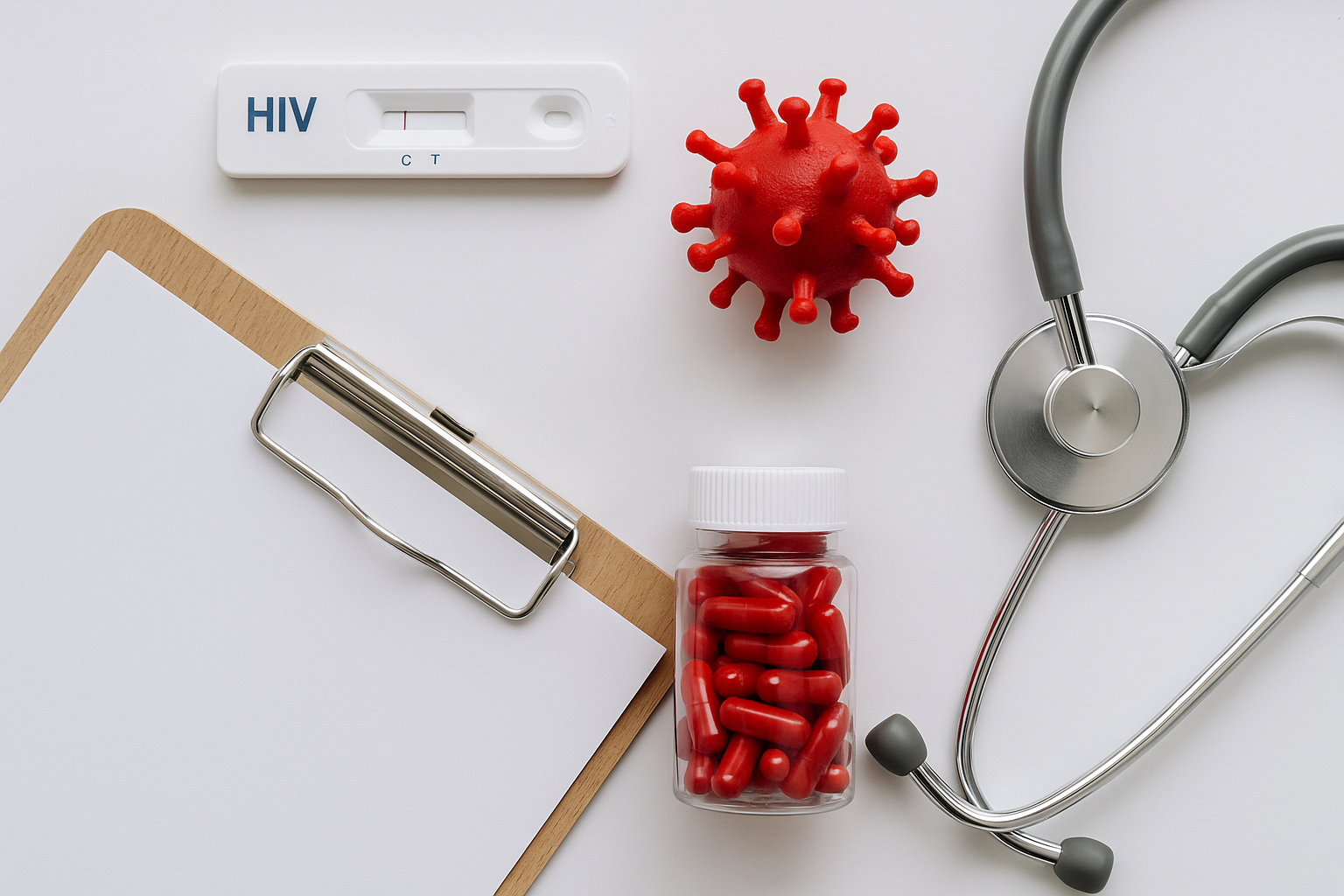
Understanding HIV: Causes and Transmission
Human Immunodeficiency Virus (HIV) is a serious global health issue that affects millions of people worldwide. Understanding the causes and transmission methods is crucial for prevention and awareness.
How is HIV Transmitted?
HIV is primarily transmitted through the exchange of certain body fluids from an infected person. These fluids include blood, semen, vaginal fluids, rectal fluids, and breast milk. The most common routes of transmission are:
- Unprotected sexual contact: Engaging in sexual activities without the use of condoms increases the risk of HIV transmission.
- Sharing needles: Using shared or contaminated needles during drug use can significantly increase the risk of contracting HIV.
- Mother-to-child transmission: HIV can be transmitted from an infected mother to her child during pregnancy, childbirth, or breastfeeding.
- Blood transfusions and organ transplants: Although significantly reduced due to screening advancements, receiving infected blood products or organs from an HIV-positive donor remains a risk.
World Health Organization - HIV/AIDS Fact Sheets
Recognizing Symptoms of HIV
Early detection of HIV can lead to better management and treatment outcomes. However, symptoms of HIV can vary widely and may be mistaken for other illnesses.
Early Symptoms
Many people experience flu-like symptoms within 2 to 4 weeks after infection, known as acute retroviral syndrome (ARS) or primary HIV infection. Symptoms may include:
- Fever
- Chills
- Rash
- Sore throat
- Fatigue
- Swollen lymph nodes
Progression to Chronic HIV
After the initial stage, the virus may become latent and could remain asymptomatic for years. However, without treatment, HIV can progress to chronic HIV infection, leading to more severe symptoms such as:
- Rapid weight loss
- Recurring fever or night sweats
- Persistent or chronic diarrhea
- Prolonged swollen lymph nodes
- Neurological disorders
- Opportunistic infections
Centers for Disease Control and Prevention - Symptoms of HIV
Treatment Options for HIV
Although there is no cure for HIV, effective treatment can control the virus, enabling individuals to live long, healthy lives. The primary treatment for HIV is antiretroviral therapy (ART).
Antiretroviral Therapy (ART)
ART involves taking a combination of HIV medicines daily to control the virus. It works by reducing the viral load in the body, maintaining immune function, and preventing the progression to AIDS. Current research from 2026 highlights the effectiveness of ART, with most individuals achieving undetectable viral loads within six months upon starting treatment.
Latest Advances in HIV Treatment
Innovations in HIV treatment continue to emerge. Long-acting injectable ART and next-generation drugs are now becoming available, providing more options and convenience for those affected. Clinical trials offer hope for further advancements on the way to possibly eliminating HIV transmission altogether.
National Institute of Allergy and Infectious Diseases - HIV Clinical Trials
Prevention: Staying Ahead of HIV
Prevention is a key element in reducing new HIV infections. There are multiple strategies that individuals can adopt to protect themselves and their partners from HIV.
Preventive Measures
- Using condoms: Consistent and correct use of condoms during sex is highly effective in preventing HIV.
- Pre-exposure prophylaxis (PrEP): A preventive option for those at high risk of HIV infection, involving daily medication that reduces the risk of HIV transmission.
- Routine testing: Regular HIV testing enables early detection and management of the virus.
- Education and awareness: Informing communities about HIV transmission and safer sex practices is vital in prevention efforts.