Understanding HIV Clinical Trials: Explore Your Eligibility and Participation Opportunities
Discover essential insights about HIV Clinical Trials, where you can learn about eligibility and participation in groundbreaking studies. These trials offer a unique opportunity to explore new treatments and make a difference in the fight against HIV.
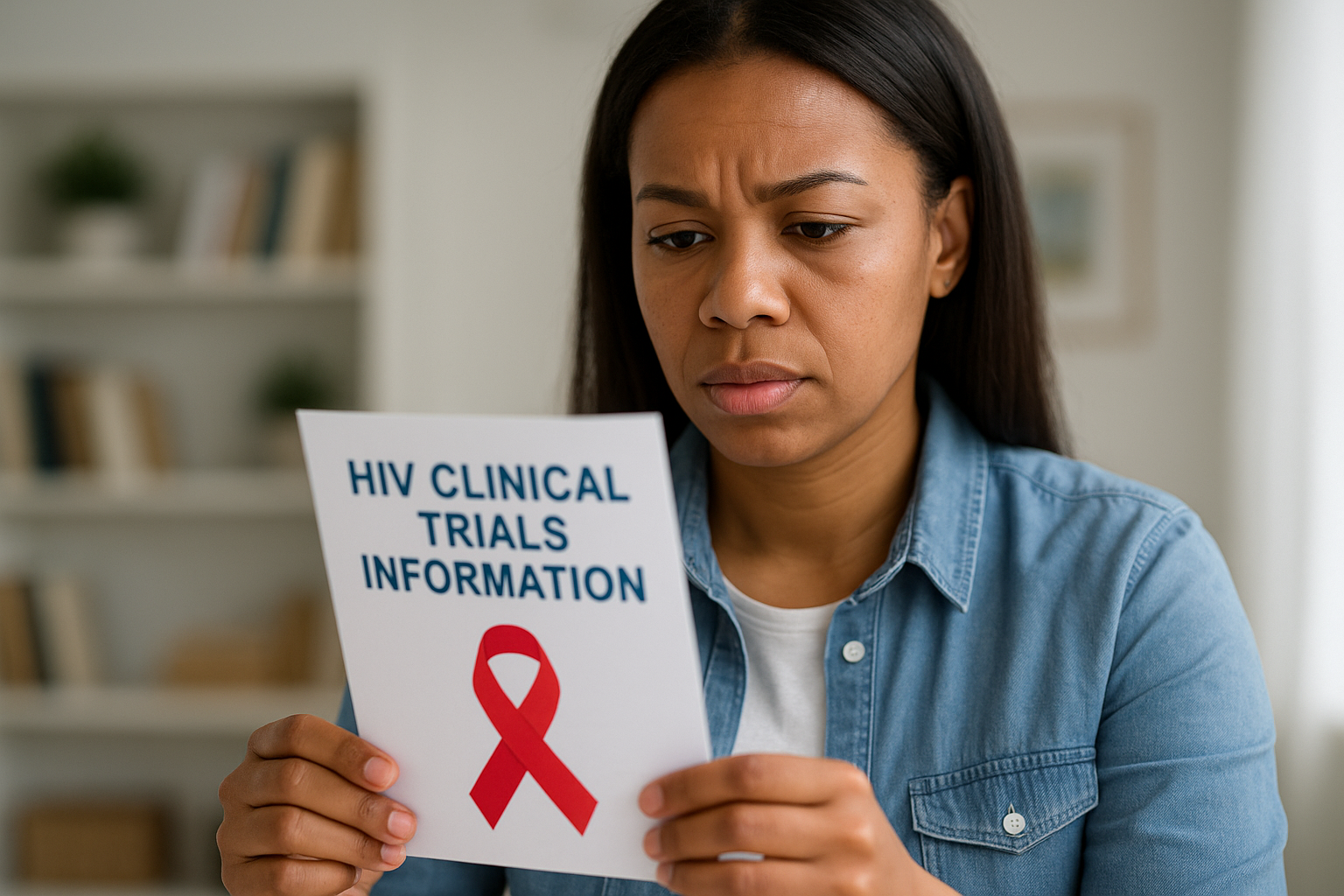
Understanding HIV Clinical Trials
HIV clinical trials play a crucial role in advancing medical research, aiming to discover new treatments, improve current therapies, and eventually find a cure for HIV. Participating in these trials can be an invaluable contribution to science and public health, as well as providing personal benefits to the volunteers involved. This article will delve into the essential details surrounding HIV clinical trials, focusing on the eligibility for participation, what participation entails, and how individuals can get involved.
What Are HIV Clinical Trials?
Clinical trials are research studies conducted to assess new medical approaches, such as medications, procedures, or devices, in terms of safety and efficacy. For HIV, these trials may explore new antiretroviral therapies, vaccines, or other intervention strategies aimed at improving health outcomes for people living with HIV.
These studies typically proceed through several phases:
- Phase I: Tests a new treatment in a small group of people to evaluate its safety, determine a safe dosage range, and identify side effects.
- Phase II: Expands the study to more people to further evaluate its safety and begin assessing its efficacy.
- Phase III: Conducted with large groups to confirm effectiveness, monitor side effects, and compare it to commonly used treatments.
- Phase IV: Post-marketing studies to gather additional information, including the treatment's risks and benefits when used in the general population.
The Importance of HIV Clinical Trials
HIV clinical trials are instrumental in ensuring that treatments are safe and effective for all demographics. The U.S. National Institutes of Health (NIH) reports continuous advancements thanks to clinical trials, noting that such studies are key to achieving strategic goals in the fight against HIV/AIDS. These trials have led to the development of more effective antiretroviral therapy (ART), reducing HIV-related morbidity and mortality globally.
According to recent data in 2026, approximately 38.4 million people worldwide are living with HIV, making the urgency of groundbreaking treatments and interventions evident. By participating in clinical trials, individuals contribute to the broader mission of ending the HIV epidemic.
Eligibility for Participation in HIV Clinical Trials
Eligibility criteria for HIV clinical trials may vary depending on the study’s specific goals. Typically, these criteria include:
- HIV Status: Some trials require participants to be HIV-positive, while others focus on prevention and may recruit HIV-negative individuals at risk.
- Age and Gender: Trials may specify an age range or require participants of a certain gender to evaluate gender-specific effects of treatments.
- Health Condition: Participants may need to meet certain health benchmarks depending on the trial's phase or investigate drug interactions within specific conditions.
- Previous and Current Treatments: Information about a participant's treatment history might be necessary to understand how new interventions might interact with existing therapies.
How to Determine Your Eligibility
Potential participants can determine their eligibility by contacting research teams directly; many trials have contact information listed in public registries such as ClinicalTrials.gov. Additionally, healthcare providers often have knowledge of ongoing studies and can make appropriate referrals.
Participating in HIV Clinical Trials
Involvement in an HIV clinical trial is a personal decision and comes with responsibilities and rights. Participants contribute to science while gaining access to new treatments sometimes before they become widely available. Here's what participation typically involves:
- Informed Consent: Before joining, volunteers receive detailed information about the study and must provide written consent, acknowledging their understanding and agreement.
- Screening and Testing: Initial tests are often carried out to confirm eligibility and gather baseline health information.
- Treatment Plan: Participants follow a precise plan designed by researchers, which includes medication regimens, scheduled visits, and monitoring.
- Monitoring and Reporting: Ongoing evaluation of health status is part of the trial process, with participants also providing feedback on any side effects or changes they experience.
The Ethical Perspective
All clinical trials adhere to ethical standards, ensuring that participant safety is the top priority. Institutional Review Boards (IRBs) oversee trials to safeguard participants' rights and welfare. Moreover, participants have the right to withdraw from a trial at any time without penalty or loss of benefits.
Getting Involved: Next Steps
If considering participation in an HIV clinical trial, start by researching available studies. The Global Trial Finder and local HIV organizations often provide resources and support. Consulting healthcare professionals can offer personalized advice based on individual health circumstances.
Learning more about ongoing trials and understanding each component helps potential participants make informed decisions. Participation is a powerful way to contribute to science and help pave the path toward innovative breakthroughs in HIV treatment and prevention.
For more up-to-date information, reliable resources include: