Understanding How Dealerships Handle Damaged Trade-Ins
Curious if dealers accept damaged tradeins? You're not alone! Many wonder whether a vehicle's condition impacts its tradein value. While some dealers may accept damaged tradeins, offers can vary widely based on factors like the make, model, and extent of damage.
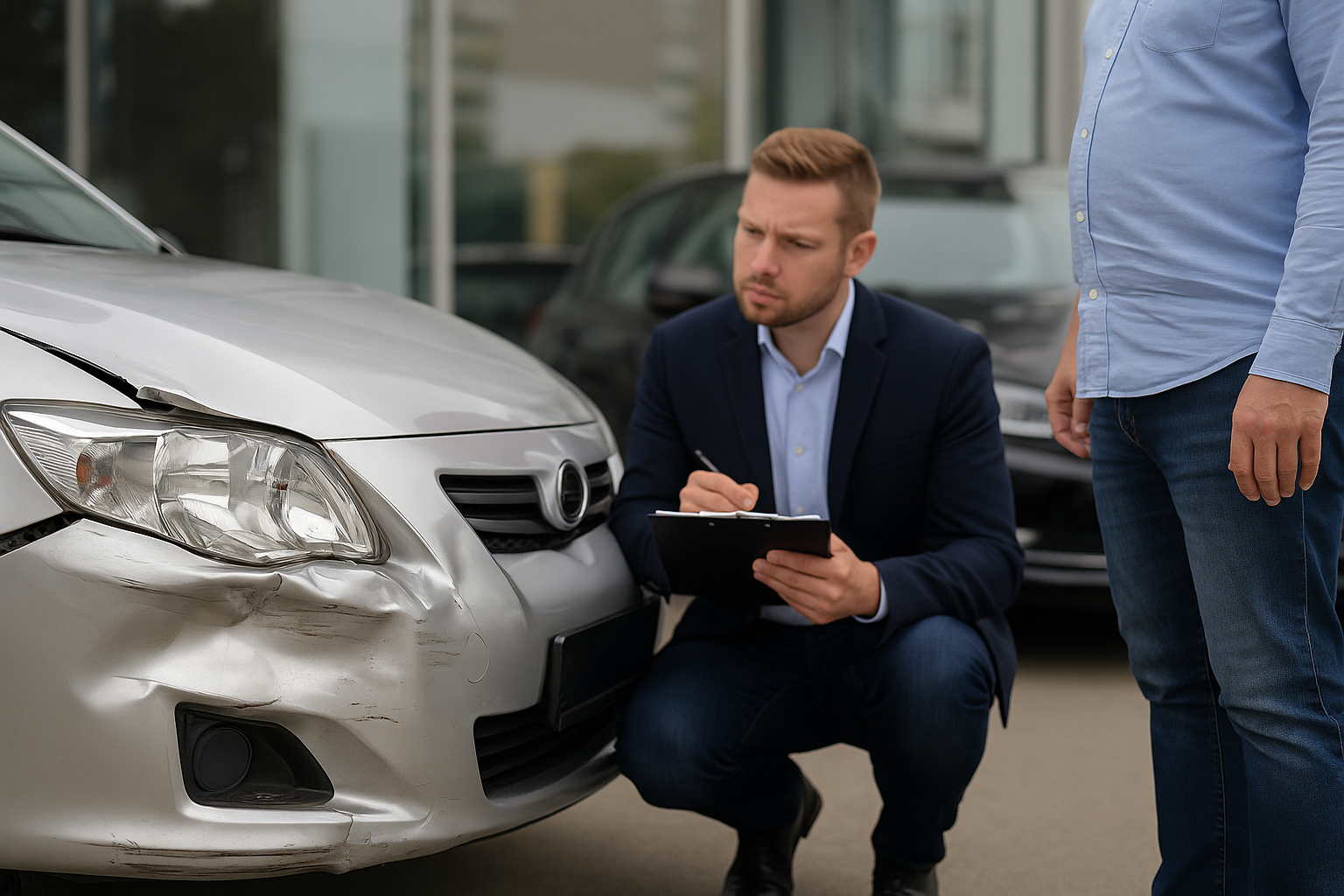
Do Dealers Accept Damaged Trade-Ins?
When it's time to purchase a new or used vehicle, many people consider trading in their current car to offset the cost. However, if your vehicle is damaged, you might wonder if dealers will still be willing to accept it as a trade-in. The short answer is yes, most dealers do accept damaged trade-ins, but there are several factors and strategies to consider to get the best value for your trade-in.
Understanding Trade-In Evaluations
How Dealers Assess Trade-In Value
Dealers usually evaluate your vehicle’s trade-in value based on its age, make, model, mileage, and condition. Typically, they will inspect your car for damage, both on the exterior and interior, which might affect its resale value. It's essential to understand that damage can significantly reduce the trade-in value.
- Cosmetic Damage: Minor aesthetic issues like scratches or small dents might not drastically impact your trade-in offer.
- Structural Damage: More severe damage, particularly if it affects the car's structural integrity, could lead to a more substantial reduction.
- Mechanical Issues: Problems with the engine, transmission, or other mechanical systems will likely decrease the valuation considerably.
Factors Influencing Dealer Acceptance
Dealers aim to resell vehicles at a profit, so while they might accept a damaged car, they take into account the following:
- Repair Costs: Dealers will factor in how much it would cost to repair the vehicle to a saleable condition.
- Market Demand: Popular models might still fetch a good trade-in price even if they're damaged, due to high demand.
- Current Inventory Needs: If a specific vehicle type or model is in short supply, a dealer might be more inclined to take your damaged trade-in.
Strategies to Maximize Your Trade-In Value
Pre-Trade-In Preparations
To ensure you get the best possible deal for your damaged vehicle, consider the following steps before visiting a dealership:
- Get Damage Assessed Independently: Have a mechanic inspect your car to provide a clear report of the damage and estimate repair costs. This can serve as useful information during negotiations.
- Minor Repairs and Maintenance: If feasible, fix minor cosmetic damages and ensure the car is properly maintained (e.g., oil changes, clean interior). This can help in getting a better offer.
- Gather Documentation: Collect all maintenance records, as well as report any accidents or insurance claims. Transparent documentation can establish trust with the dealer.
Negotiating with Dealers
When negotiating with dealers, be prepared to discuss the condition of your vehicle frankly. Here are some strategies:
- Show Knowledge: Use your independent assessment and maintenance records as leverage.
- Be Honest: Fully disclose the extent of your vehicle's damage. Dealers appreciate honesty and it can avoid future disputes.
- Shop Around: Don’t settle for the first offer. Visiting multiple dealerships can give you a better understanding of your vehicle's trade-in value.
Alternative Options Beyond Dealer Trade-In
Private Selling
If your car has sustained significant damage, selling privately might be a more lucrative option. Private buyers might be willing to overlook certain damages if they want a bargain or are enthusiasts who can handle repairs themselves. However, selling privately can take more time and effort.
Car Buying Services
Companies such as Carvana or CarMax specialize in purchasing used cars, including those damaged. These services might provide an instant online offer, making them a convenient option if you need to sell quickly.
Donations or Parts Selling
If your car is beyond repair and offers little trade-in value, consider donating it to charity for a tax write-off or selling it for parts. In 2026, an estimated 750,000 vehicles were donated in the U.S., benefitting various charitable causes. Consult a tax professional to ensure you can take full advantage.
Considerations in 2026
As of 2026, with advancements in vehicle repair technology and shifts in market demand, many dealerships are more flexible with what they accept for trade-ins. However, the increased focus on eco-friendly vehicles means that older, less efficient models might fetch lower prices regardless of their condition.
A report by the National Automotive Dealers Association suggests that the average trade-in transaction in 2026 is 5% higher than the previous year due to inflation and supply constraints[1]. This means that even if your car is damaged, you might receive a better offer compared to past years.
Conclusion
While dealers do accept damaged trade-ins, getting the best value requires preparation, understanding of the market, and good negotiation skills. Keep all documentation handy and consider minor repairs to enhance your vehicle's appeal. Whether you decide to trade in with a dealer, sell privately, or explore other options, research and strategic planning can lead to a beneficial outcome for your damaged vehicle.
https://www.progressive.com/answers/how-to-trade-in-car/
https://legalclarity.org/can-you-trade-a-car-in-with-damage-what-to-know/
https://www.investopedia.com/how-does-trading-in-a-car-work-5118389
https://www.carmax.com/faq/selling-a-car
https://legalclarity.org/can-you-trade-in-a-wrecked-car-steps-and-options/
https://www.wsj.com/buyside/personal-finance/auto-insurance/diminished-value-claim
https://www.reddit.com/r/carmax/comments/1kz54mo/
https://www.carmax.com/articles/how-to-sell-your-car-to-carmax