Understanding How Disability Income Can Influence Your Eligibility for a Bad Credit Loan
Discover how disability income might help you move forward in qualifying for a bad credit loan. Though having a less-than-perfect credit score can complicate loan approval, it's worth exploring whether your consistent income from disability benefits can play a valuable role.
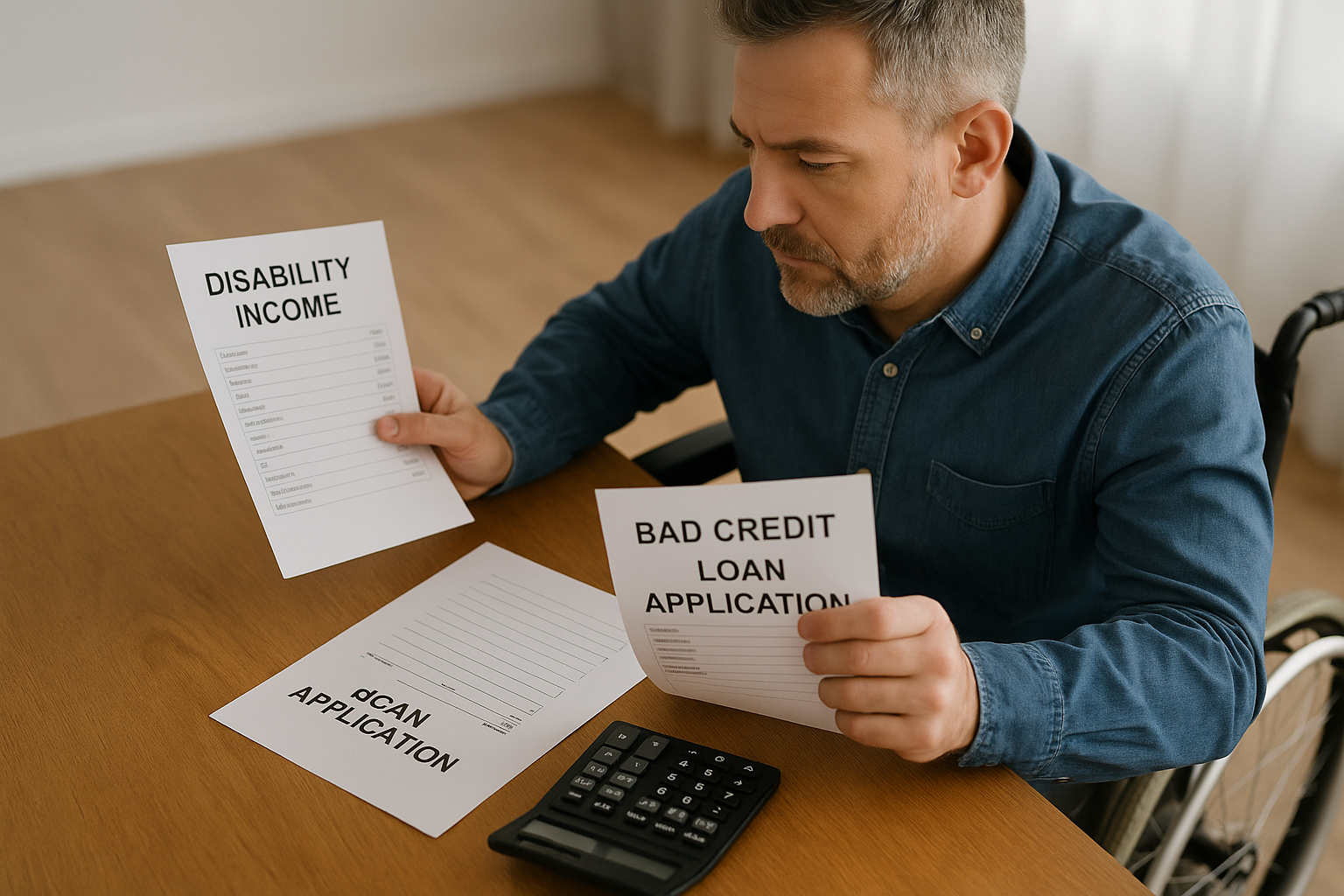
Understanding the Role of Disability Income in Obtaining a Bad Credit Loan
When you have a bad credit score, securing a loan can feel like an uphill battle. However, if you're receiving disability income, you might wonder if it's a viable option to help you qualify for a loan. This article will explore how disability income can influence your ability to secure a loan, what lenders typically consider, and the strategies you can employ to improve your chances.
What is Disability Income?
Disability income refers to the financial support provided to individuals who are unable to work due to a disability. This income can come from government programs like Social Security Disability Insurance (SSDI) or Supplemental Security Income (SSI), as well as private insurance policies or employer-sponsored plans. Understanding the source and reliability of your disability income is crucial when presenting it as part of your loan application.
Can You Use Disability Income to Qualify for a Loan?
Yes, disability income can be used to qualify for loans, including bad credit loans. Lenders are interested in a borrower’s ability to repay their debts, and demonstrating a consistent income stream, like stable disability income, can strengthen your loan application. However, different lenders have specific criteria regarding what forms of income are acceptable, so it’s essential to check the requirements of each potential lender.
Factors Lenders Consider
When reviewing your loan application, lenders typically evaluate your overall financial situation. Here’s what they often consider:
- Consistency of Income: Regular and stable disability payments increase your credibility as a borrower.
- Debt-to-Income Ratio: This ratio helps lenders determine if you have the financial capacity to take on additional debt.
- Credit History: Even with bad credit, demonstrating a history of making payments on time can improve your standing.
- Additional Income Sources: If you have other income streams, they can help buffer your application.
Strategies to Secure a Loan with Disability Income
While using disability income in your application can be beneficial, here are additional strategies to improve your chances of approval:
- Build Your Credit: Aim to reduce your debt-to-credit ratio by paying down outstanding debts. Even small improvements can positively impact your credit score.
- Consider a Co-signer: If possible, involve a co-signer with strong credit to vouch for you, thus enhancing your application’s attractiveness.
- Showcase Reliable Income: Thoroughly document all sources of your disability income to prove consistency and reliability to lenders.
- Prepare a Budget: Present a clear budget plan to lenders, showcasing how you intend to manage repayment with your disability income.
Real-World Examples
Several individuals have successfully used their disability income to obtain loans. For instance, Jane, who receives monthly SSDI payments, secured a personal loan by demonstrating consistent income and supplementing it with additional freelance work. Her lender was convinced by her transparent approach and willingness to improve her financial habits.
Recent Trends and Data
With ongoing economic shifts, lenders have become more accustomed to dealing with clients who rely on diverse income streams. According to a 2026 report by The Federal Reserve, 18% of borrowers report receiving disability income as part of their total household income, a 3% increase from the previous year. This trend indicates greater acceptance of disability income in financial assessments.
Conclusion
While securing a loan with bad credit remains challenging, demonstrating consistent and reliable disability income can significantly bolster your application. By understanding lender criteria, utilizing strategic actions to improve your financial profile, and staying informed about recent trends and data, you can enhance your chances of securing a bad credit loan.
As you continue this journey, consider consulting reputable financial advisors or credit counselors for personalized guidance. For further reading, check out resources such as Consumer Financial Protection Bureau or Social Security Administration to stay updated on pertinent regulations and support services.
https://www.experian.com/blogs/ask-experian/why-credit-is-important-people-with-disabilities/
https://www.experian.com/blogs/ask-experian/how-to-get-personal-loan-with-low-income/
https://www.nerdwallet.com/personal-loans/learn/hardship-loans/
https://www.lendingtree.com/personal/best-personal-loans-for-bad-credit/
https://www.lendingtree.com/personal/installment-loans-for-bad-credit/
https://www.lendingtree.com/personal/what-to-know-about-no-credit-check-personal-loans/