Understanding How Eye Injections Work for Treating Macular Degeneration
Wondering how shots in the eye might aid those with macular degeneration? While not a definitive cure, these injections are a treatment option aimed at slowing down vision loss. Understanding their potential benefits and limitations is crucial for anyone considering this approach.
Understanding Macular Degeneration
Macular degeneration, particularly Age-related Macular Degeneration (AMD), is a prevalent eye condition that can lead to vision loss among people aged 50 and older. It occurs when the small central portion of the retina, known as the macula, wears down. AMD is divided into two types: dry and wet. The wet form, though less common, is responsible for the majority of severe vision loss cases.
With the aging population, AMD cases and their implications on vision are expected to increase. According to the American Academy of Ophthalmology, nearly 20% of people over age 60 experience some form of macular degeneration, highlighting the importance of understanding and addressing this condition effectively.
Do Shots in the Eye Help with Macular Degeneration?
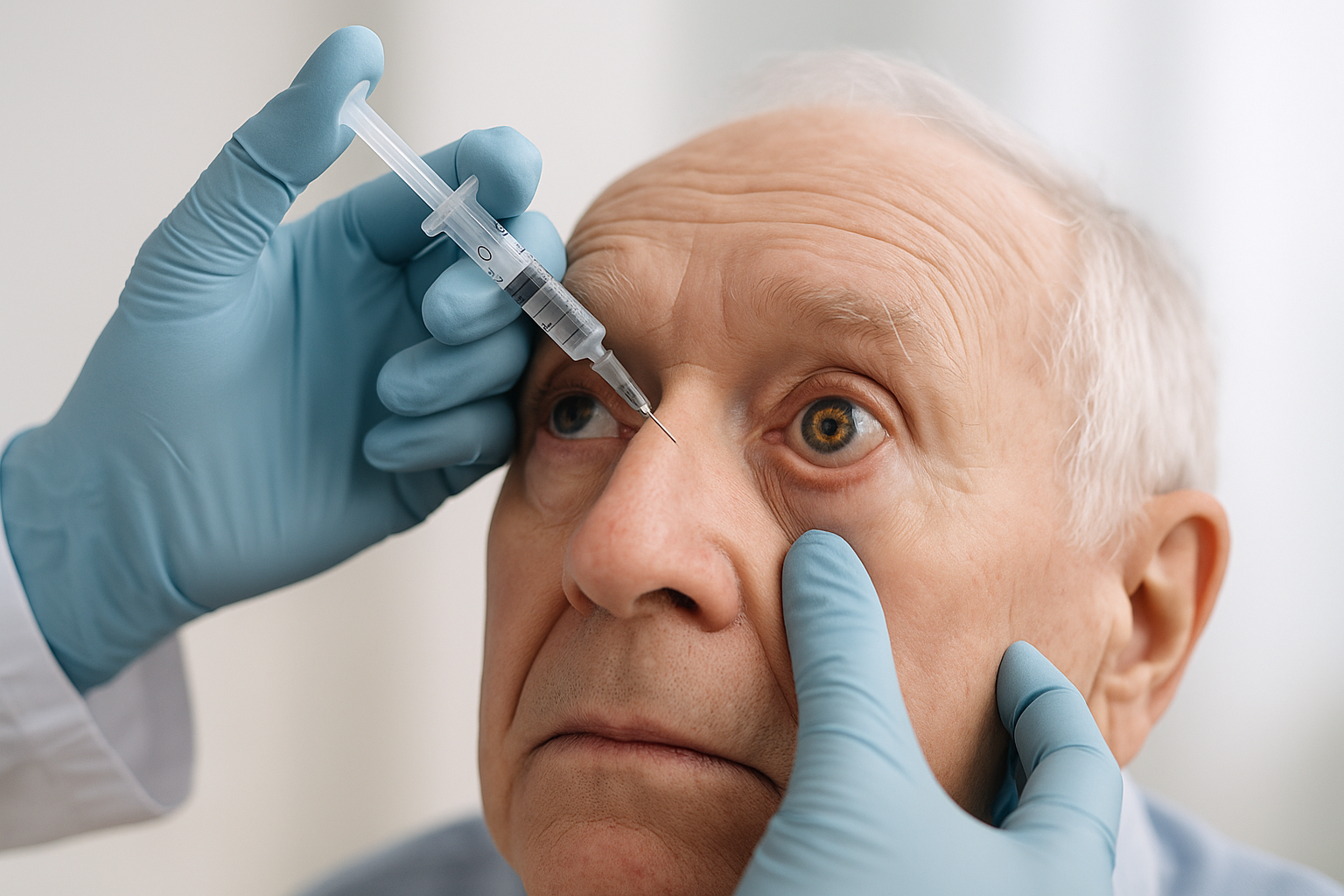
Treatment for macular degeneration, specifically the wet form, has evolved significantly with the use of anti-VEGF (vascular endothelial growth factor) injections. These shots are administered directly into the eye, a prospect that sounds daunting but has been instrumental in preserving vision for many patients.
How Do Anti-VEGF Shots Work?
VEGF is a protein that can cause abnormal blood vessels to grow under the retina, leading to leakage and vision loss. Anti-VEGF injections counteract this by blocking the protein and preventing further abnormal vessel formation. By doing so, they help in maintaining the integrity of the macula and, consequently, vision.
Commonly used anti-VEGF medications include Ranibizumab (Lucentis), Aflibercept (Eylea), and Bevacizumab (Avastin). The choice of medication and frequency of injections is determined by an ophthalmologist, often requiring monthly visits initially, which may decrease in frequency as the condition stabilizes.
What to Expect During the Injection Procedure
Despite being a sensitive procedure, eye injections are generally well-tolerated by patients. Here’s what happens during a typical injection appointment:
- Anesthetic Application: Eye drops or a gel is used to numb the eye and ensure the procedure is as comfortable as possible.
- Antiseptic Application: To prevent infection, an antiseptic is applied before the injection.
- Injection: Conducted in a sterile environment, the injection is typically quick, lasting only a few seconds.
- Post-Injection Care: Patients may be advised to use antibiotic drops to prevent infection.
Most patients report little to no pain, though mild discomfort or irritation can occur post-injection.
The Safety and Side Effects of Eye Injections
Like any medical procedure, anti-VEGF injections carry some risks. However, the benefits often outweigh potential side effects for those at risk of severe vision loss. Commonly reported side effects include:
- Mild irritation or redness in the eye
- Temporary increase in eye pressure
- Small floaters or spots in vision
Serious complications are rare but can include infection or retinal detachment. It's crucial for patients to closely follow post-injection guidelines and immediately report any severe symptoms to their doctor.
Current Research and Future Prospects
The landscape of AMD treatment is rapidly evolving. Recent research focuses on developing alternative therapies and delivery methods to improve patient experience and outcomes. Gene therapy, for instance, is showing promise in prolonged treatment effects with fewer injections. A study published in 2026 by The National Eye Institute highlights advancements in using gene editing tools for sustained VEGF suppression, presenting a possible future where frequent injections are minimized.
Moreover, new medications are being tested to improve the efficacy of current treatments. According to a 2026 report from The American Academy of Ophthalmology, dual-action drugs that target multiple pathways involved in AMD are undergoing clinical trials and show significant promise in slowing disease progression.
Conclusion
Shots in the eye, specifically anti-VEGF injections, have revolutionized the approach to treating wet macular degeneration. Despite the initial apprehension surrounding the procedure, these injections offer a lifeline for many, significantly delaying vision deterioration and improving quality of life.
If you or someone you know is experiencing symptoms of macular degeneration, consult an eye care professional. Early intervention and consistent treatment can make a substantial difference in managing the condition effectively.
As research continues, the future holds even greater promise for more accessible, effective treatments for this common vision-threatening condition.
- https://www.mayoclinic.org/diseases-conditions/wet-macular-degeneration/diagnosis-treatment/drc-20351113
- https://www.nei.nih.gov/eye-health-information/eye-conditions-and-diseases/age-related-macular-degeneration/treatments-wet-amd-advanced-neovascular-amd
- https://www.healthline.com/health/eye-health/managing-anxiety-about-eye-injections
- https://www.medicalnewstoday.com/articles/injections-for-macular-degeneration
- https://www.allaboutvision.com/treatments-and-surgery/drugs-medications/anti-vegf-injections/