Understanding How Interest Rates Affect Your Credit Card Bills
Unlock the mystery of how interest gets charged on credit cards with our insightful guide! Dive into the key factors that determine your interest rates and how they impact your balance.
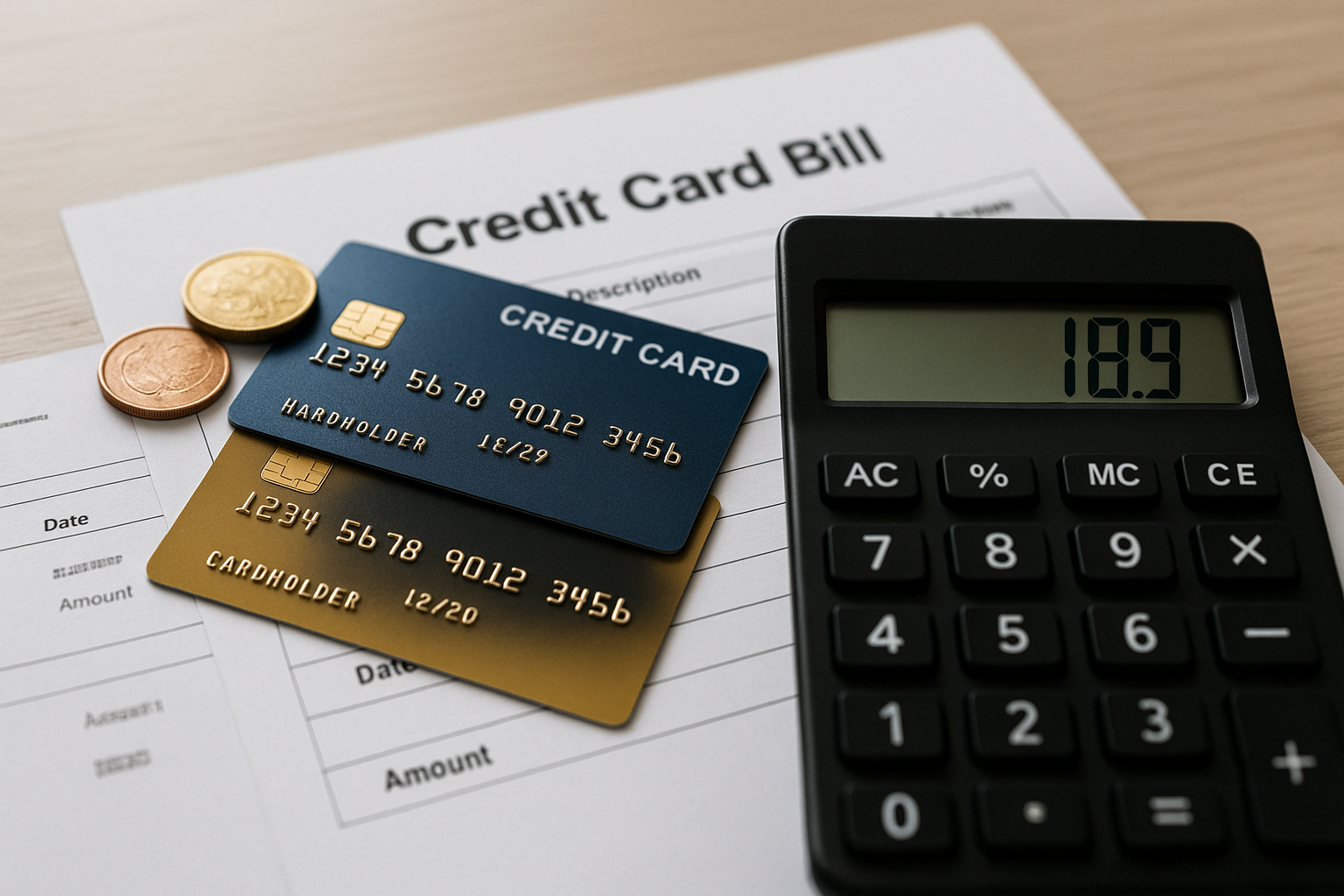
Understanding How Interest is Charged on Credit Cards
Credit cards offer convenience and financial flexibility, but they also come with the cost of interest, which can add up if not managed properly. Understanding how interest is charged on credit cards is crucial for managing your finances effectively and avoiding unnecessary debt. In this article, we will explore the mechanics of credit card interest, including how it's calculated, different types of interest rates, and strategies for minimizing these charges.
How is Credit Card Interest Calculated?
Credit card interest is typically calculated using the annual percentage rate (APR), which represents the yearly cost of borrowing. However, credit card companies usually apply interest on a daily basis using what's called the "Daily Periodic Rate" (DPR). This is essentially the APR divided by 365 days.
The daily interest charge is then calculated by multiplying your average daily balance by the DPR. Here's a simple example:
- APR: 18%
- DPR: 18% / 365 ≈ 0.0493%
- Average Daily Balance: $1,000
- Daily Interest Charge: $1,000 × 0.0493% ≈ $0.493
- Monthly Interest Charge (30 days): $0.493 × 30 ≈ $14.79
Types of Credit Card Interest Rates
Credit card interest rates can vary depending on the type of transaction or the terms outlined by the card issuer. Here are some common types of rates:
- Purchase APR: The interest rate applied to the purchases made with the credit card.
- Cash Advance APR: A higher interest rate for cash withdrawals, effective immediately without any grace period.
- Balance Transfer APR: The rate applied to the balance transferred from another credit card, which may offer an introductory period with a lower rate.
- Penalty APR: Applied when you violate the card's terms, such as missing payment due dates, which is substantially higher.
Grace Periods and Avoiding Interest
Most credit cards offer a grace period, which is the time between your billing statement date and the due date. If you pay off your balance in full by the due date, you won't be charged interest on that balance. It’s an excellent feature for those who manage to pay off their full balance every month.
To make the most of this period and avoid interest charges:
- Pay your balance in full monthly.
- Set up automatic payments to never miss a due date.
- Keep track of your billing cycle to maximize the grace period.
Strategies to Minimize Credit Card Interest
Reducing your credit card interest charges can keep your financial health on track. Here are a few methods to consider:
- Pay More Than the Minimum: Paying higher than the minimum amount due each month significantly cuts down accruing interest.
- Balance Transfers: Some credit cards offer 0% APR on balance transfers for an introductory period, which can help pay down debt more efficiently.
- Negotiate a Lower Rate: Sometimes you can negotiate a better rate with your credit card issuer, especially if you have a good payment history.
- Consider a Personal Loan: If your credit card debt is substantial, a personal loan with a lower interest rate might help consolidate the debt into more manageable payments.
Credit Card Interest Myths
There are several misconceptions around how interest is charged on credit cards. Let’s clarify a few:
- Myth: Interest is charged immediately after a purchase.
Fact: Interest is usually charged if you do not pay off the balance within the grace period. - Myth: Interest rates are fixed.
Fact: APRs can vary, especially on variable-rate cards or as a result of late payments.
Conclusion
Understanding how credit card interest works is essential for using credit responsibly. By knowing how interest is calculated, the types of rates you might encounter, and strategies to minimize charges, you can make informed decisions that support your financial health. With careful management, you can use credit cards to your advantage without falling into costly debt.
For further information, you can refer to resources like the Consumer Financial Protection Bureau and recent studies published in Statista which provide detailed insights into current interest rates and financial strategies in 2026.