Understanding How Low Mileage Can Lead to Lower Car Insurance Rates
Car insurance costs can vary based on several factors, and one surprising influence is low mileage. Discover how driving less might *contribute* to reducing your car insurance rates, offering potential savings.
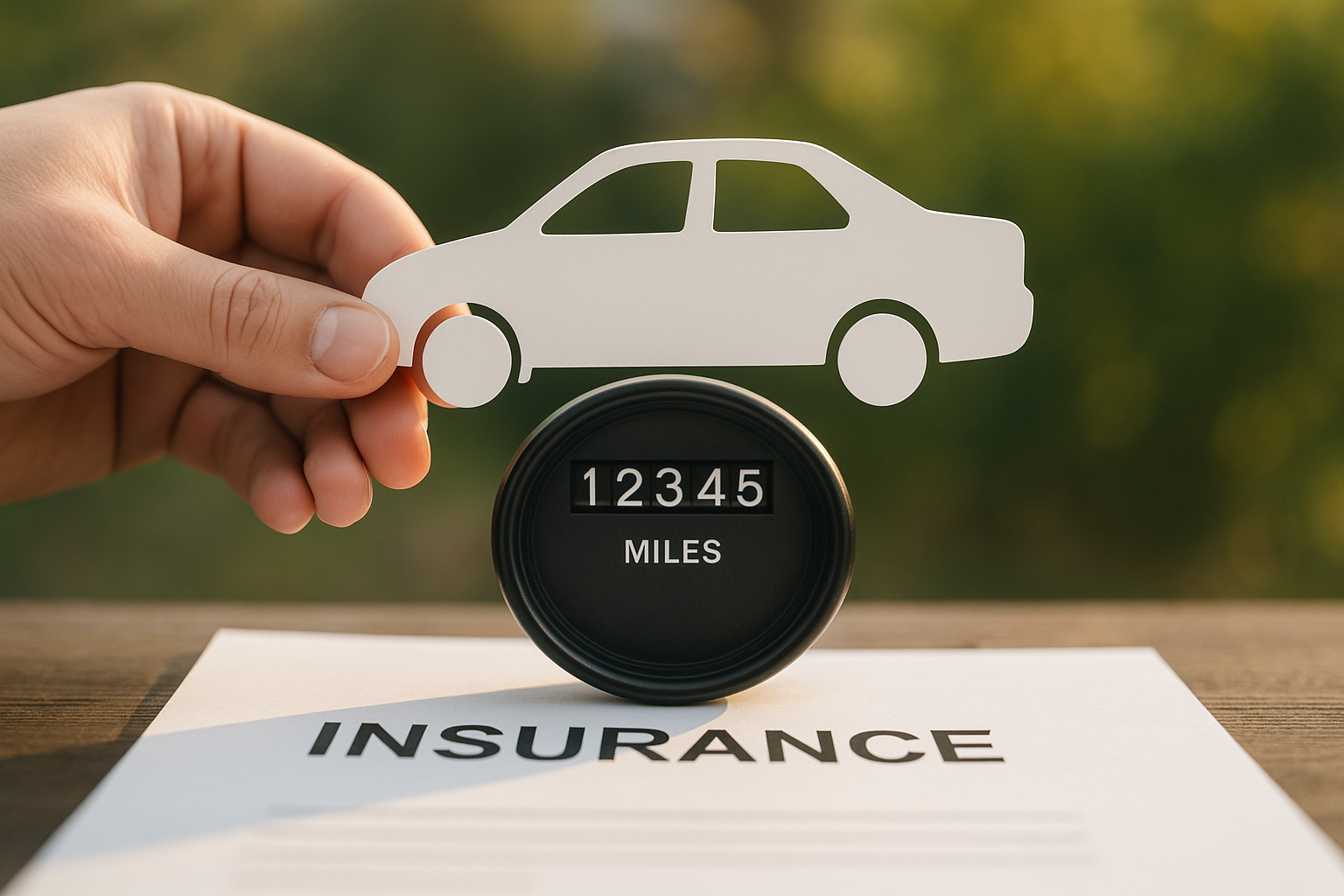
Understanding the Link Between Low Mileage and Car Insurance Rates
Many drivers may not realize that the number of miles they drive each year can significantly influence their car insurance rates. Insurers often view lower mileage as a reduced risk of accidents, which can translate into savings on your premium. But why exactly is this the case, and how can you leverage your driving habits to get better rates?
The Relationship Between Driving and Risk
The more time you spend on the road, the higher the likelihood of being involved in a traffic incident. This is a simple principle that insurance companies use to assess risk. A driver who logs fewer miles annually is statistically less likely to encounter situations that lead to claims, such as accidents or vehicle damage.
According to a 2026 report by the National Highway Traffic Safety Administration (NHTSA), there has been a clear correlation between lower annual mileage and fewer traffic accidents. Such data reinforces insurers' assessments that low-mileage drivers pose a lesser financial risk.
How Insurance Companies Determine “Low Mileage”
"Low mileage" can vary between insurance companies but usually falls below the average annual mileage. As of 2026, the average American driver racks up approximately 13,500 miles per year. Anything substantially less than this—say, under 7,500 miles per year—can qualify as low mileage.
- Allstate considers less than 5,000 miles annually as low mileage.
- State Farm offers discounts beginning at 7,500 miles per year.
- Progressive has tiered discounts, offering more savings with decreasing mileage.
These thresholds are essential in determining eligibility for specific policy discounts.
Qualifying for Low Mileage Discounts
To qualify for a low mileage discount, you need to accurately track and report your annual mileage. Some insurers might ask for odometer readings or install tracking devices that help monitor your driving patterns. Let's look at a few common qualification strategies:
- Self-reporting: Many companies require policyholders to submit their mileage. Accurate records, such as maintenance logs or inspection receipts stating the odometer reading, can be helpful.
- Telematics: Several insurers offer telematics programs, which use apps or devices that plug into your vehicle to track mileage and driving habits. Progressive's Snapshot and Allstate's Drivewise are popular examples.
- Verification of Usage: You might need to provide a plausible reason for low mileage, such as working from home or having an alternative mode of transportation.
Benefits of Low Mileage Policies
The primary benefit of low mileage policies is reduced premiums, which can lead to significant savings. Lower premiums aren't the only advantage, though:
- Environmental Impact: Reduced driving lowers your carbon footprint, contributing positively to environmental sustainability.
- Vehicle Longevity: Less driving results in less wear and tear on your vehicle, which can extend its lifespan and reduce maintenance costs.
- Stress Reduction: Spending less time in traffic can enhance your well-being, as it often translates to decreased stress levels.
Considerations and Potential Drawbacks
While low mileage can lead to lower insurance premiums, there are a few considerations to keep in mind:
- Privacy Concerns: Opting for telematics devices can raise privacy issues, as these devices monitor your driving habits.
- Eligibility Changes: Should your driving habits change, it might affect your eligibility for continued discounts.
- Initial Setup: Depending on the insurer and method of tracking, the initial setup can be time-consuming, potentially involving paperwork and device installations.
Real-World Example
Consider Sarah, a freelance graphic designer who works from her home in Brooklyn. Due to the nature of her work, Sarah primarily uses her car for weekend errands, totaling about 4,500 miles annually. Aware of the potential savings, she contacted her insurance provider, State Farm, who offered her a policy based on her self-reported mileage. With the telematics system in place, Sarah qualified for a 20% discount on her insurance premium.
How to Get Started
If you're interested in exploring low mileage insurance options, here’s how to get started:
- Evaluate your current driving habits and calculate your typical annual mileage.
- Contact your insurance provider to inquire about low mileage discounts and required proofs or tracking measures.
- Consider enrolling in usage-based or telematics insurance programs if you are comfortable with the privacy aspects and data sharing.
- Regularly review your mileage to determine if any changes might affect your discount eligibility.
Embarking on the journey towards lower insurance premiums due to low mileage can not only result in significant financial savings but also benefit the environment and your vehicle's overall health. With increasing awareness of telematics and insurance companies offering diverse low mileage policies, now might be the perfect time to reconsider your driving patterns for a more economical and sustainable lifestyle.
For further reading, you may want to check resources like the National Highway Traffic Safety Administration or individual car insurance reviews.
https://www.bankrate.com/insurance/car/low-mileage/
https://www.progressive.com/answers/low-mileage-insurance/
https://www.nerdwallet.com/insurance/auto/learn/pay-per-mile-car-insurance