Understanding How National Debt Relief Can Help Manage Your Finances
Curious about National Debt Relief? Discover how this popular approach can help you manage debt with structured plans. While outcomes vary by individual, the goal is to empower you to handle debt more effectively.
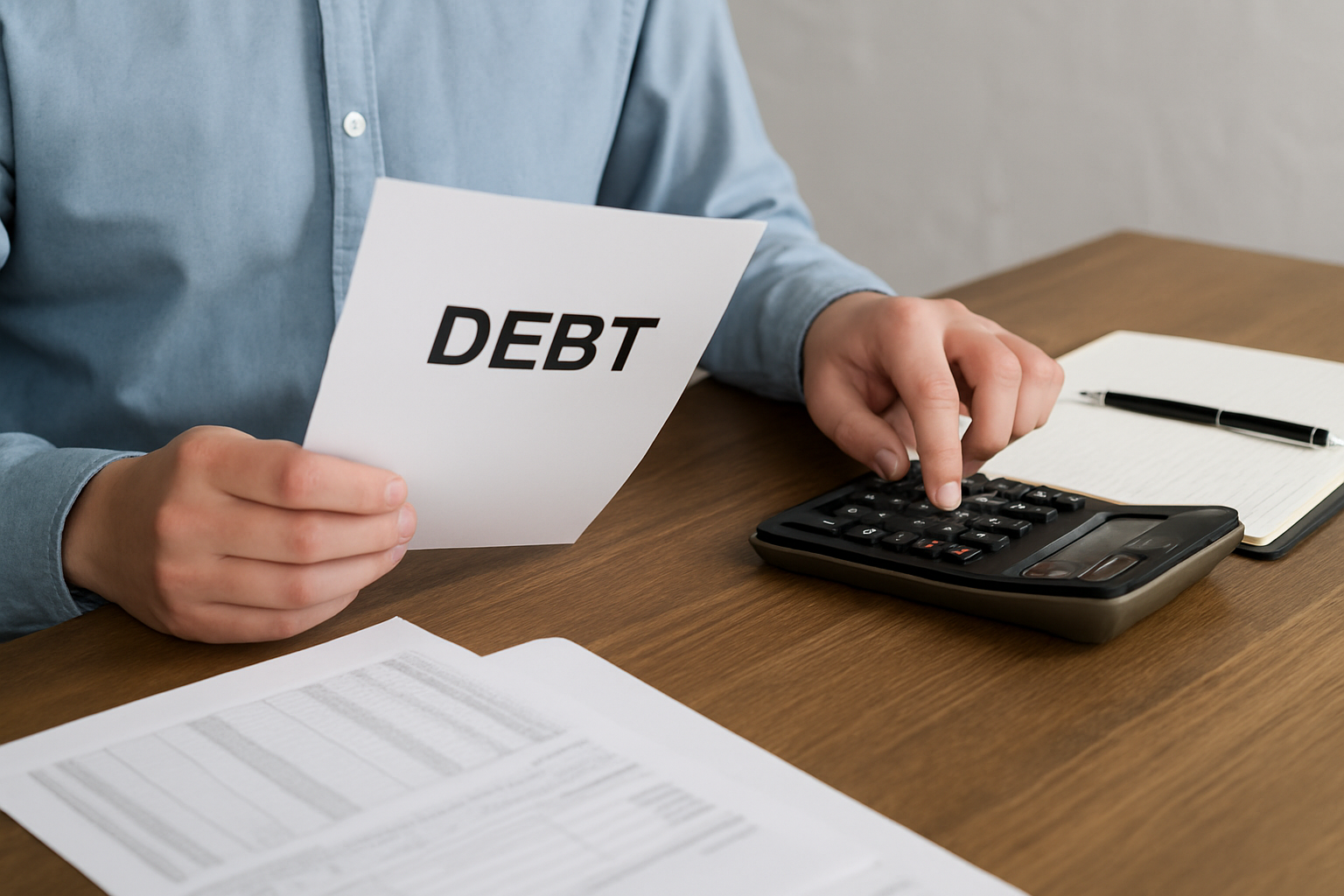
Understanding National Debt Relief
National debt relief is a promising solution for many individuals struggling with overwhelming debt. This approach assists in negotiating and settling debts with creditors, usually for a significantly reduced sum. It's essential to understand both how it works and the implications it may have on your financial future.
How Does National Debt Relief Work?
The process typically begins with a consultation where an assessment of your current financial situation takes place. Professional debt relief companies will evaluate the total amount owed, alongside your income and expenses, to determine the best course of action.
- Debt Evaluation: An in-depth review of all outstanding debts, including credit cards, medical bills, and personal loans.
- Savings Plan: Setup of a dedicated savings account where you deposit regular payments instead of paying creditors directly.
- Negotiation: The debt relief team negotiates with creditors, seeking to reduce the total debt in exchange for a lump-sum payment from your savings.
- Debt Settlement: Once a settlement offer is accepted, you pay the agreed lump sum, and the remaining debt is forgiven.
Who Can Benefit from National Debt Relief?
Not everyone with debt will benefit equally from debt relief programs. Understanding who it is meant for can help determine if it's the right strategy for you.
- High Debt Amount: Often, debt relief is most beneficial to those with significant amounts of unsecured debt, typically over $10,000.
- Financial Hardship: Individuals experiencing financial hardship, such as loss of income or unexpected medical expenses, may find debt relief advantageous.
- Looking to Avoid Bankruptcy: For many, national debt relief serves as an alternative to bankruptcy, which can have long-term implications on one's credit score.
Potential Drawbacks and Considerations
While national debt relief can offer a fresh start, it's essential to consider potential drawbacks:
- Impact on Credit Score: Enrolling in a debt relief program can initially hurt your credit score as you stop making regular payments on debts.
- Tax Implications: The forgiven debt may be considered taxable income, affecting your financial responsibilities at tax time.
- Fees and Costs: Debt relief companies charge fees for their services, typically a percentage of the settled debt.
Evaluating Debt Relief Companies
Choosing the right company to handle your debt relief process is crucial. Here are some factors to consider:
- Accreditation and Licensing: Ensure the company is accredited by organizations such as the American Fair Credit Council and that it is licensed to operate in your state.
- Customer Reviews and Reputation: Research customer reviews and ratings on reputable platforms like the Better Business Bureau.
- Transparency: Choose a company that is transparent about its fees, processes, and terms.
Real-World Examples and Success Stories
Consider real-world examples and statistics that demonstrate the effectiveness of debt relief. As reported in a 2026 financial study, over 50% of individuals enrolled in successful debt relief programs reported substantial improvement in their financial health within three years.
For instance, Robert, a 38-year-old graphic designer from Ohio, managed to settle his $25,000 credit card debt by paying just $12,000 after participating in a debt relief program for two years.
Recent Data and Statistics
According to The Consumer Financial Protection Bureau, over 20 million Americans are currently dealing with some form of unsecured debt. Additionally, a 2026 report from Experian highlights that the average American household owes $96,371 in total consumer debt.
Conclusion: Is National Debt Relief Right for You?
National debt relief can be an effective solution for individuals struggling with high levels of debt, but it's not without its considerations. Evaluating your financial situation, understanding the process, and selecting the right company are critical steps. By carefully considering these factors, you can make an informed decision that sets you on a path toward financial stability.