Understanding How State Farm Pet Insurance Handles Vet Payments
Discover the possibilities of State Farm Pet Insurance and if it could simplify vet visits by paying vets directly. While State Farm Pet Insurance provides extensive coverage, understanding how payment to vets works is essential.
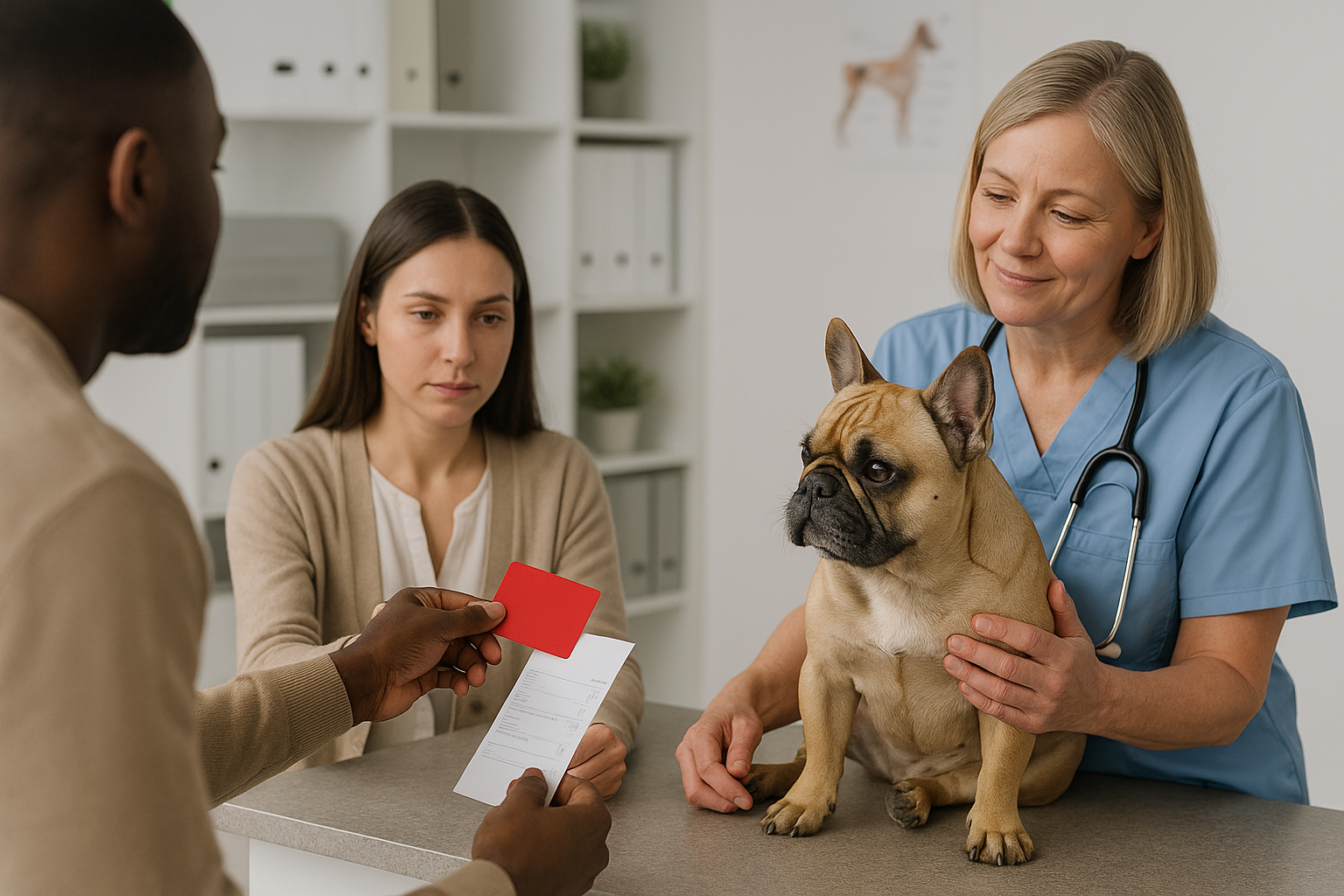
Understanding Pet Insurance Options
Pet insurance is an important consideration for many pet owners who want to ensure that their furry friends receive the best medical care possible. But when it comes to choosing a policy, potential buyers often have a variety of questions. One common query is whether State Farm pet insurance can pay vets directly. This blog aims to address this question while providing broader insights into pet insurance payments and claims processes.
Can State Farm Pet Insurance Pay Vets Directly?
State Farm offers pet insurance through its partnership with Trupanion, a well-known provider in the pet insurance industry. The direct payment option is one of the standout features offered by Trupanion. With this option, Trupanion can pay vets directly instead of reimbursing you after you've paid the full vet bill upfront. This service significantly eases the financial burden on pet owners in emergency situations.
How Does Direct Payment Work?
The process for direct payment is straightforward. When you visit a participating vet who is willing to accept direct payment, Trupanion works with the vet's office to pay for covered treatments directly. Here’s how it typically works:
- Verify Coverage: Before proceeding with treatment, ensure that the procedure is covered under your insurance plan.
- Vet Submits Treatment Plan: The vet submits a detailed treatment plan to Trupanion to confirm coverage.
- Approval and Direct Payment: Once the treatment is approved, Trupanion pays the vet directly, and you only need to cover your portion of the bill like any deductible or co-payments.
This process helps pet owners avoid the hassle of claim submissions and potentially lengthy reimbursement waits, allowing them to focus on their pet's health rather than financial considerations.
Benefits of Direct Payments
There are several advantages to direct payments that make them a compelling option for many pet owners. Below are some of the key benefits:
- Financial Relief: Direct payments alleviate the immediate financial burden on pet owners, making it easier to afford costly procedures.
- Convenience: Avoiding the reimbursement process saves time and energy, allowing pet owners to skip administrative hassle.
- Immediate Access to Care: Knowing that a vet bill can be paid directly can make emergency care decisions less stressful.
Real-World Example
Consider the case of a pet owner whose dog required unexpected surgery costing $3,000. With the direct payment option, the owner confirmed coverage with Trupanion and only needed to pay the deductible and co-payment upfront, with the remainder directly handled between the insurer and the vet office. This ensured that the dog received timely treatment without putting a strain on the owner's finances.
Things to Consider About Pet Insurance
While the ability to pay vets directly offers convenience, it's essential to consider other aspects of pet insurance:
Coverage Details
Understand what is covered and what isn't under your pet insurance plan. State Farm’s partnership with Trupanion typically offers coverage for accidents, illnesses, hereditary conditions, and even non-routine dental care. However, routine checkups, vaccinations, and pre-existing conditions may not be covered.
Deductibles and Co-Payments
Your financial responsibility doesn't end with choosing an insurance provider; be aware of your deductible and co-payment. These factors influence how much you'll pay out of pocket before and after insurance kicks in.
Participating Veterinarians
Not all veterinarians participate in direct insurance payment arrangements. It's prudent to discuss with your preferred vet whether they partner with insurers like Trupanion for direct payments.
Choosing the Right Pet Insurance
When choosing a pet insurance policy, several factors should be weighed:
Compare Policies
Compare different pet insurance policies available using tools on consumer advocacy sites like Consumers Advocate to understand plan limits, exclusions, and customer satisfaction ratings.
Customer Reviews and Reputation
Read customer reviews and investigate the insurance company’s reputation through resources like Better Business Bureau to gain insights into real customer experiences.
Flexibility and Customization
Look for insurers that offer flexible policy options that can be tailored to your pet's specific needs and your financial situation.
Conclusion
Pet insurance is a worthwhile investment for pet owners looking to safeguard their animal companions' health. The option for insurers like State Farm (through Trupanion) to pay vets directly can provide substantial peace of mind, particularly during unexpected health emergencies. Nonetheless, it’s crucial to thoroughly compare available options, understand policy terms, and ensure your preferred vet can accommodate direct payments. Being informed can lead to better, financially sound decisions that keep your pets in their healthiest state.
https://www.statefarm.com/insurance/pet
https://www.statefarm.com/insurance/pet/dog-insurance
https://www.statefarm.com/insurance/pet/cat-insurance
https://www.statefarm.com/simple-insights/family/how-does-pet-insurance-work
https://www.statefarm.com/simple-insights/family/what-does-pet-insurance-cover